Longevity

What Is a Good Resting Heart Rate for Your Age? A Complete Guide

If you've ever checked your smartwatch or a pulse app and wondered whether your number is "good," you're not alone. It's one of the most common health questions people search for, and the honest answer is that it depends on more than your age.

Most adults fall somewhere between 60 and 100 beats per minute (bpm) at rest. But within that range, and sometimes well below it, your resting heart rate reflects your fitness level, your nervous system, your sleep, and even what you had for breakfast. This guide breaks down what the research actually says.

What Counts as a Normal Resting Heart Rate

Resting heart rate changes dramatically across childhood before settling into an adult range. According to a large U.S. national reference study from the CDC's National Center for Health Statistics, average resting pulse rate is around 129 bpm under age 1, drops to about 96 bpm by age 5, and falls further to roughly 78 bpm in early adolescence. By adulthood, the average plateaus around 72 bpm (Fleming et al., 2011).

Interestingly, that plateau doesn't happen at the same time for everyone. The same CDC data found that male resting pulse rate tends to plateau in early adulthood, while female resting pulse rate plateaus later, in middle age.

For most healthy adults, the clinically accepted normal range is 60 to 100 bpm (American Heart Association).

Why Resting Heart Rate Isn't Just About Age

Age explains the big picture, but it doesn't explain why two 40-year-olds can have resting heart rates 20 or 30 beats apart. A large analysis from the Fenland Study, involving thousands of adults, found that resting heart rate functions as a population-level biomarker of cardiorespiratory fitness, not simply a marker of age (Fenland Study researchers, 2023). In other words, your training history often tells you more about your resting heart rate than your birth certificate does. For a deeper look at how aging itself affects both resting and maximum heart rate, see our related post, Why Your Heart Rate Lowers as You Age.

What Actually Lowers Resting Heart Rate: Training Adaptations

This is where the mechanism gets interesting. A resting heart rate below 60 bpm, known as sinus bradycardia, is common in people who train consistently, and it's usually a sign of an efficient cardiovascular system, not a problem.

For years, the leading theory was that this was mostly driven by increased parasympathetic ("rest and digest") tone. More recent research points somewhere else: a 2014 study published in Nature Communications found that exercise training lowers resting heart rate through downregulation of the HCN4 "funny channel," a change in the heart's own pacemaker cells rather than just nervous system signalling (D'Souza et al., 2014). A related study found that training-induced bradycardia is largely explained by a reduced intrinsic heart rate, the heart's built-in resting rate independent of nerve signals (Lewis et al., 2016).

In plain terms: consistent aerobic training doesn't just calm your nervous system, it physically remodels how your heart's pacemaker cells behave.

Real-World Examples: How Low Can Resting Heart Rate Go?

Elite endurance athletes regularly measure resting heart rates in the 30s and low 40s bpm, a well-documented adaptation driven by increased stroke volume and vagal tone (Bradycardia in Athletes, Circulation, 2025). This isn't rare in that population, it's closer to the norm.

A few examples that come up often in sports media: five-time Tour de France winner Miguel Indurain has frequently been cited around 28 bpm, and Michael Phelps has been reported in the low-to-mid 30s during peak training. These are commonly repeated figures rather than individually verified clinical measurements, but they illustrate just how far this adaptation can go at the extreme end of endurance sport.

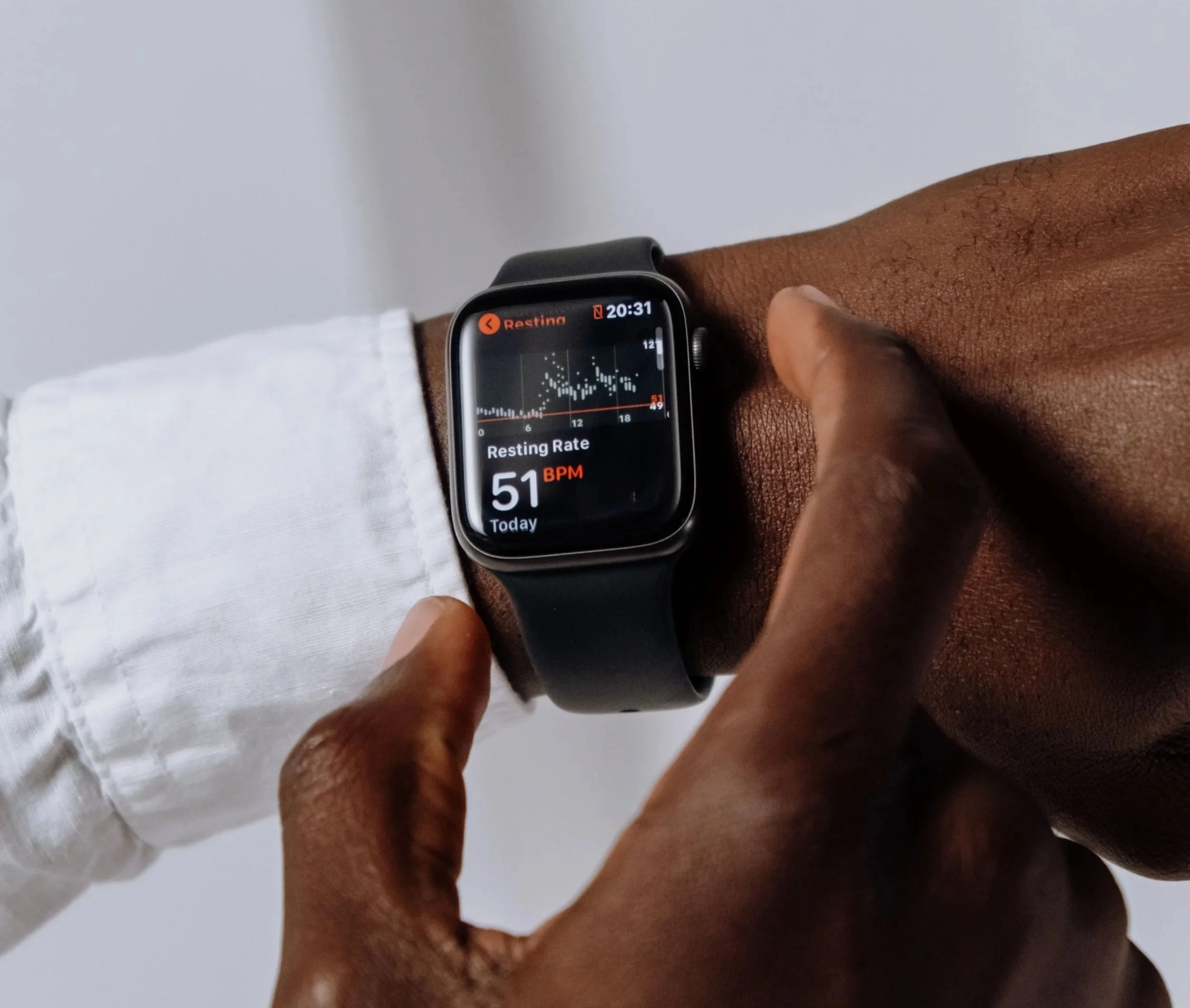
I've seen this firsthand. During my eight years competing in boxing, training six to eight times a week, my resting heart rate sat around 43 beats per minute, a direct result of years of consistent aerobic conditioning. Today, my resting heart rate is noticeably higher, sitting around 65 bpm. Aerobic training is something I've let slide in my own programming lately, and that number is proof of how quickly the adaptation fades without it. It's a good reminder, even for those of us who coach this for a living, that resting heart rate reflects what you're actually doing, not what you used to do.

When a Lower Number Isn't Automatically Better

It's worth being honest about the limits here. While training-induced bradycardia is usually benign, a 2025 review in Circulation notes it can, in rare cases, resemble a pathological condition affecting the heart's natural pacemaker (sinus node disease). Numbers alone don't tell the full story, symptoms matter. A low resting heart rate accompanied by dizziness, fainting, or unusual fatigue is worth discussing with a doctor. A low number with no symptoms, in someone who trains consistently, is usually just efficiency.

What Can Temporarily Raise Your Resting Heart Rate

Resting heart rate isn't fixed day to day. Common, usually temporary factors that can raise it include:

  • Caffeine, which blocks adenosine receptors that normally promote relaxation, increasing alertness and heart rate

  • Dehydration, which makes the heart work harder to maintain circulation

  • Stress, through adrenaline and cortisol

  • Poor sleep or sleep disruption

  • Certain medications, including some decongestants, asthma medications, and thyroid medications

  • Illness, particularly fever or infection

This is a big part of why tracking a single reading matters less than tracking your trend over time, ideally first thing in the morning, under similar conditions.

Resting Heart Rate and Long-Term Health Risk

This is the section worth taking seriously without overreacting to it. A meta-analysis published in CMAJ, pooling 46 studies and over 1.2 million people, found that each 10 bpm increase in resting heart rate was associated with a 9% higher relative risk of all-cause mortality (Zhang et al., 2016). Separately, the Kailuan cohort study, following over 47,000 adults, found that people with a persistently elevated resting heart rate across repeated measurements over several years had close to double the mortality risk of those with consistently lower readings (Wang et al., 2017).

To be clear, this is an association across large populations, not a prediction about any one individual. A single elevated reading doesn't mean much on its own. A consistent pattern over time, especially alongside other risk factors, is what the research is actually describing.

How to Apply This in Training

  • Track your resting heart rate consistently, ideally first thing in the morning, before caffeine, to establish your own baseline rather than comparing yourself to a generic chart.

  • Build your aerobic base through consistent, moderate-intensity training. See our Zone 2 Cardio Program for a structured approach to this.

  • Watch for trends, not single readings. A sudden increase of 5 to 10 bpm above your normal baseline can be an early signal of fatigue, illness, or inadequate recovery.

  • If your resting heart rate is consistently above 100 bpm at rest, or you notice a sudden unexplained change alongside symptoms like dizziness or fatigue, that's worth a conversation with your doctor.

Key Takeaways

  • A normal adult resting heart rate falls between 60 and 100 bpm, with the population average settling around 72 bpm.

  • Resting heart rate reflects fitness and training history at least as much as it reflects age.

  • Consistent aerobic training can lower resting heart rate through real physiological changes in the heart's pacemaker cells, not just relaxation.

  • Elite endurance athletes commonly measure in the 30s and low 40s bpm, an extreme but well-documented version of the same adaptation.

  • A persistently elevated resting heart rate over time is associated with higher long-term health risk in large population studies, though a single reading says very little on its own.

Medical Disclaimer

This article is intended for general educational purposes only and does not constitute medical advice, diagnosis, or treatment. Resting heart rate can be affected by many individual factors, including medications and underlying health conditions. Anyone with concerns about their heart rate, or symptoms such as dizziness, fainting, chest discomfort, or unexplained fatigue, should consult a physician or qualified healthcare provider.

References

Fleming, S., et al. (2011). Resting pulse rate reference data for children, adolescents, and adults. National Health Statistics Reports, 41. https://www.cdc.gov/nchs/data/nhsr/nhsr041.pdf

Quer, G., et al. (2020). Inter- and intraindividual variability in daily resting heart rate and its associations with age, sex, sleep, BMI, and time of year. PLOS ONE. https://www.ncbi.nlm.nih.gov/pmc/articles/PMC7001906/

Fenland Study. (2023). Resting heart rate is a population-level biomarker of cardiorespiratory fitness. https://www.ncbi.nlm.nih.gov/pmc/articles/PMC10174582/

D'Souza, A., et al. (2014). Exercise training reduces resting heart rate via downregulation of the funny channel HCN4. Nature Communications. https://www.nature.com/articles/ncomms4775

Lewis, N. C. S., et al. (2016). Exercise training bradycardia is largely explained by reduced intrinsic heart rate. International Journal of Cardiology. https://pubmed.ncbi.nlm.nih.gov/27497097/

Bradycardia in athletes: Prevalence, mechanisms, and risks. (2025). Circulation. https://www.ahajournals.org/doi/10.1161/CIRCULATIONAHA.125.076170

Zhang, D., et al. (2016). Resting heart rate and all-cause and cardiovascular mortality in the general population: A meta-analysis. CMAJ. https://www.cmaj.ca/content/188/3/E53

Wang, A., et al. (2017). Cumulative resting heart rate exposure and risk of all-cause mortality: Results from the Kailuan cohort study. Scientific Reports. https://www.nature.com/articles/srep40212

Target heart rates chart. American Heart Association. https://www.heart.org/en/healthy-living/exercise-and-physical-activity/fitness-basics/target-heart-rates
How Foot and Ankle Function May Improve Strength, Balance, and Longevity (Part 3)

Part 3: Improving Force Production and Movement From Head to Toe

Written by Michael Crawley, BSc, BPT, CSCS

This is the final post in our three-part series on force production and movement, moving from the head down to the point where we actually meet the ground: the foot and ankle.

Part 1 covered how tongue and jaw position influence force output and breathing. Part 2 covered the diaphragm's role in bracing, balance, and recovery. Here's a quick recap before we continue:

Jaw & Tongue (Part 1)

  • Tongue roof pressure: force production

  • Relaxed tongue position: improved breathing

  • Jaw squeeze: force production and balance

Diaphragm & Breathing (Part 2)

  • Valsalva maneuver: force production

  • Proprioception: balance and stability

  • Restoration and recovery: nervous system regulation

To set the scene for this post, a quote often attributed to Leonardo da Vinci: “The foot is a masterpiece of engineering and a work of art.”

That's a good starting point for looking at the anatomy and biomechanics of the foot and ankle, and how they play a role in everything from changing direction on a football pitch to reducing fall risk later in life.


Anatomy

The foot is made up of 28 bones, which together form 31 joints. An intricate, layered system of ligaments, muscles, tendons, and connective tissue allows this complex structure to provide power, stability, and flexibility all at once (Tourillon et al., 2024).

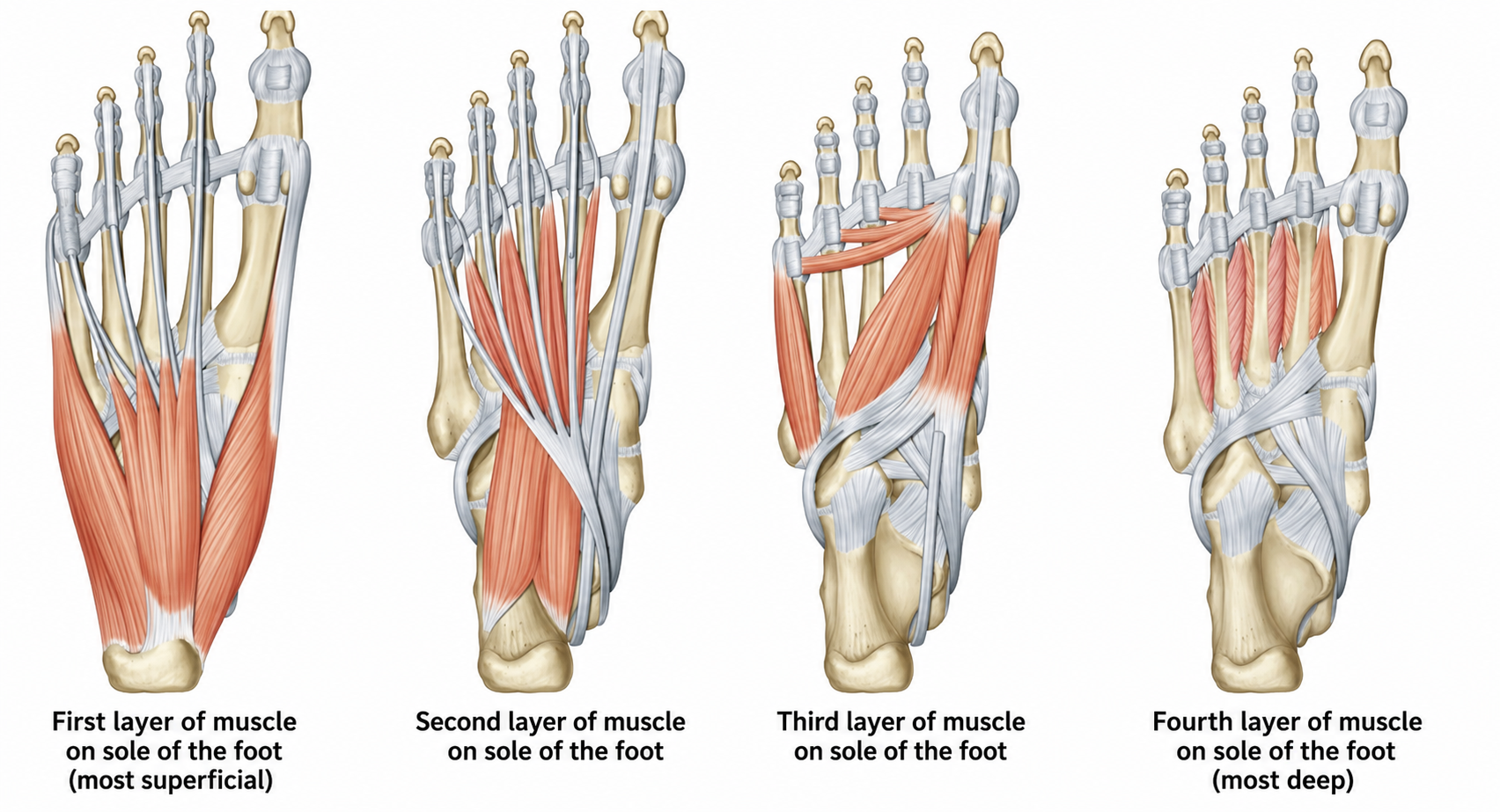
Four-panel diagram showing the four layers of intrinsic muscles on the sole of the foot, from most superficial to deepest

The sole of the foot has four layers of intrinsic muscles, which support the foot's strength and balance while working together with the calf muscles.

This network of tissue and bone can act in two different ways, depending on what's needed:

  • As a rigid lever with stiffness: more tension, with the joints locking into place for stability

  • As a compliant, flexible extension of the lower limb: less tension, with the joints opening up to absorb load

This yin-yang presentation resonates with aspects from part 1 & 2 of this series. The tongue supports both force production and relaxation. The diaphragm supports both bracing, to increase tension, and restoration, helping ease the nervous system out of a fight-or-flight response. The foot works the same way, shifting between rigid and compliant depending on the task.

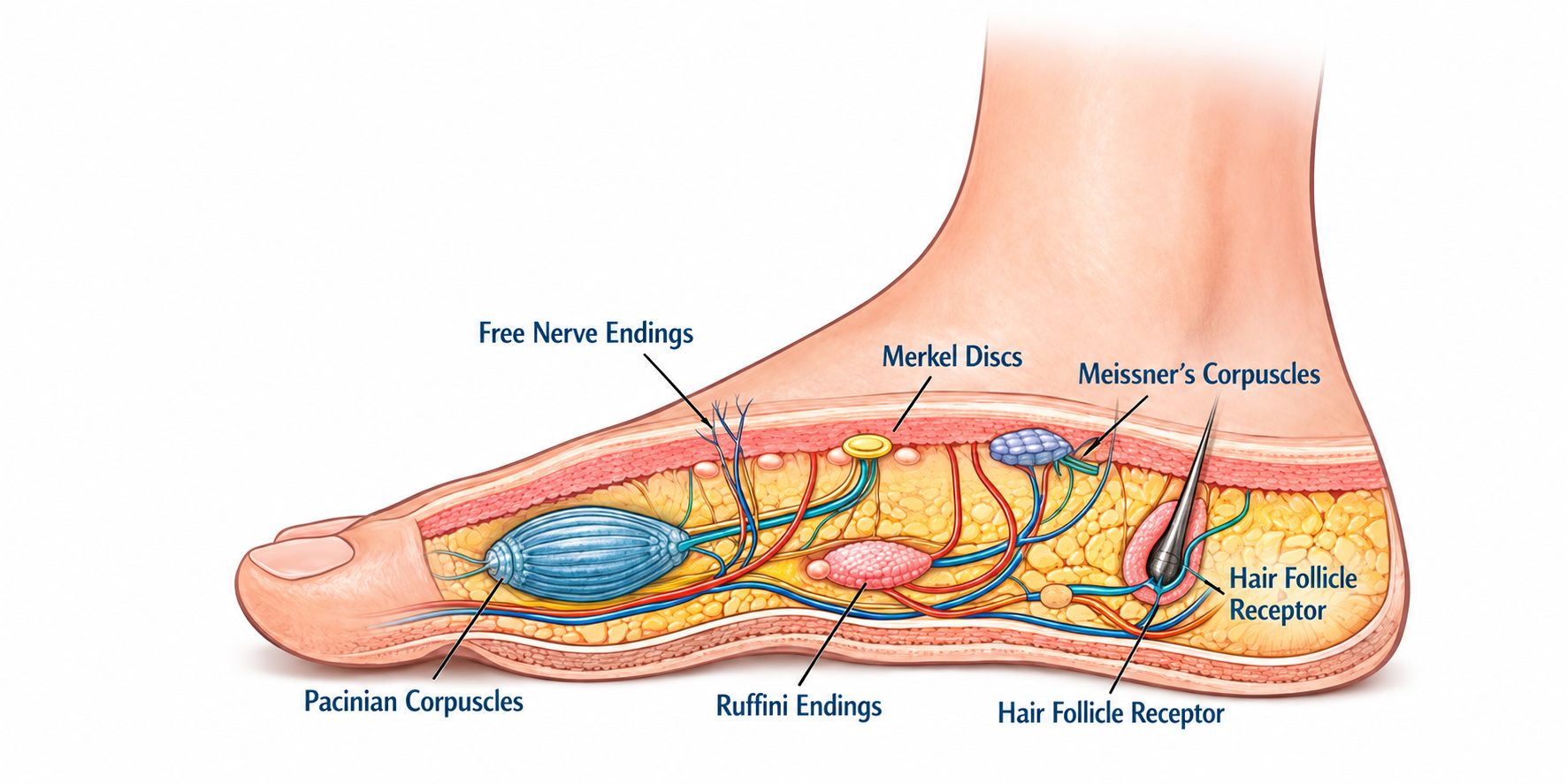
The foot is also home to an extensive network of receptors and glands (Viseux, 2020). Because it's our main point of contact with the ground, and central to balance, the foot is packed with receptors that detect pressure, pain, and temperature. While specific receptors (muscle spindles and golgi tendon organs) pick up information on extent and speed of muscle stretch.

Another interesting component specific to feet, is the extremely high density of eccrine sweat glands. From an evolutionary perspective this was to help dissipate heat but also improve control through increasing friction against a surface. This hints that we are supposed to spend time in our bare feet and tap into the innate qualities which help humans have better balance and control. (See our related post, Rethinking Barefoot Shoes, for more on this).

Cross-section diagram of the foot showing nerve receptors including Meissner's corpuscles, Pacinian corpuscles, and Merkel discs

Biomechanics

Biomechanics can get complicated quickly, so we'll keep this simple. Several actions happen at the foot and ankle that relate directly to what's happening at the knee and above. Depending on the source, this can be broken down in more or less detail. For this post, here's what we'll work with:

  • Plantarflexion: the heel lifting off the ground, as in a calf raise

  • Dorsiflexion: the knee travelling over the foot with the heel down, as in a knee bend

  • Eversion: the sole of the foot turning outward, away from the midline of the body

  • Inversion: the sole of the foot turning inward, toward the midline of the body

  • Pronation: dorsiflexion and eversion combining gradually

  • Supination: plantarflexion and inversion combining gradually

Moving through these positions changes where pressure and sensation are felt in the foot and ankle, depending on the task or skill being performed. For a simple way to feel these actions in relation to gait, try this step-through drill.

For the next section, the key detail to remember is pronation. Pronation involves the inside arch of the foot coming down toward the ground, coupled with internal rotation at the knee and hip above it:

Pronation = internal rotation = force production

Zooming out, all of these actions happen constantly during everyday activities, not just training. With so many moving parts working together, the receptors mentioned above are constantly updating the brain on balance, surface changes, and body position. This is where anatomy and mechanics come together to support function, and ultimately, longevity. From here, we'll look at some practical applications.


Foot Pressure and Force

At Avos Strength, this is something our clients hear often, cueing foot pressure and points of contact, whether they're squatting, hinging, or working on single-leg balance.

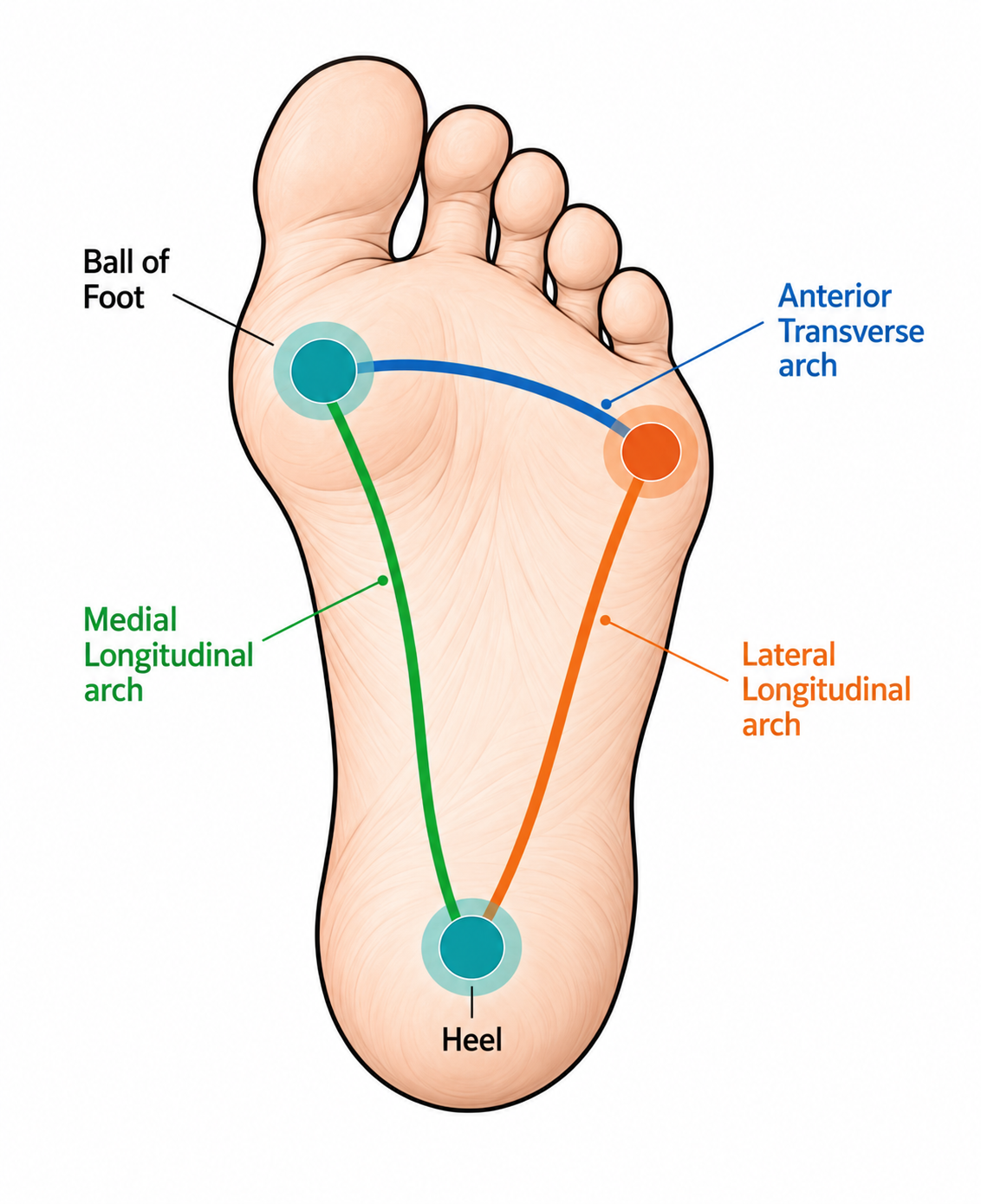
As covered above, pronation goes hand in hand with internal rotation and force production. In a training context, the two key points of contact are the base of the big toe and the inside of the heel.

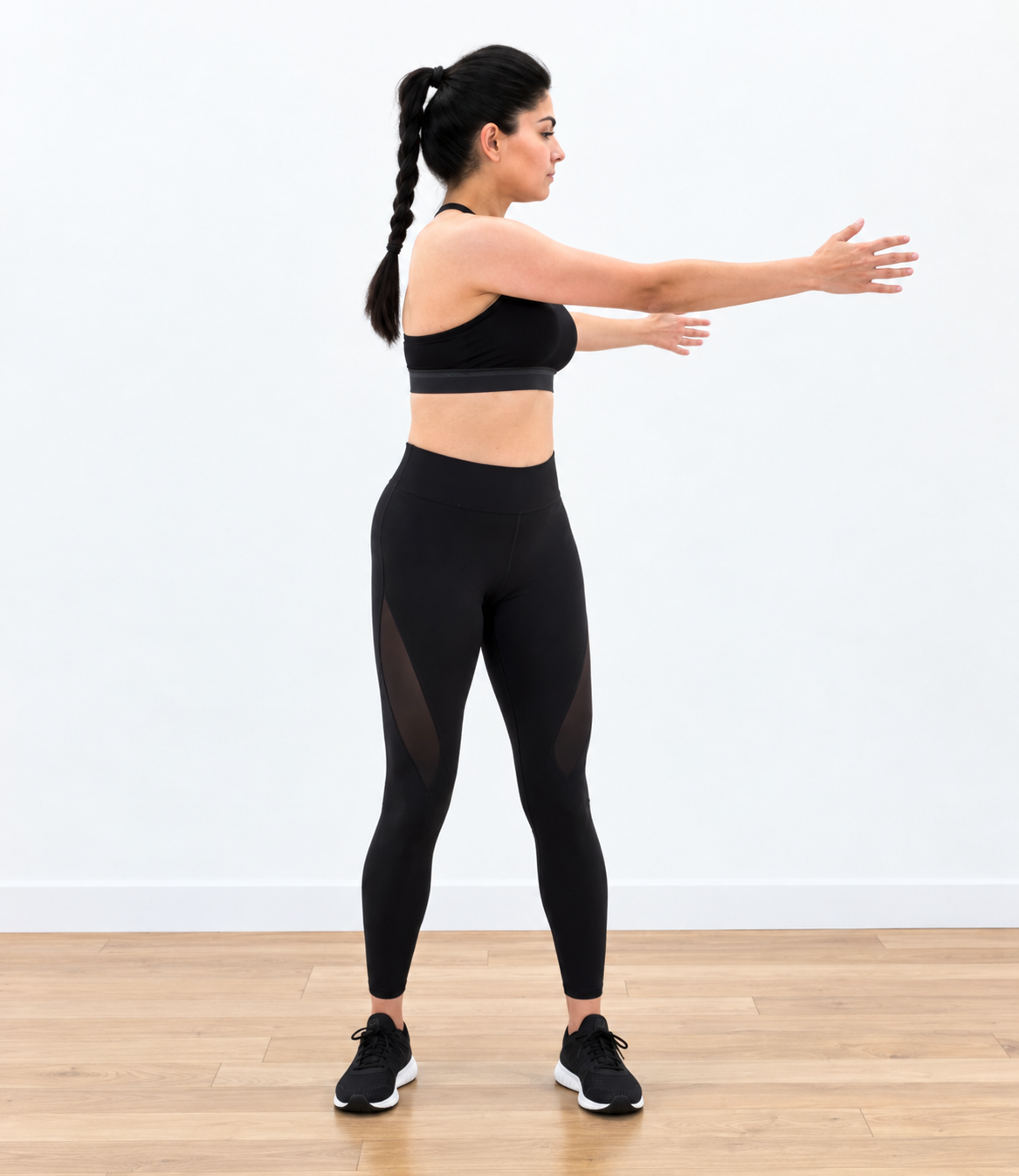
Here's a simple way to feel both sensations at once: stand with your feet parallel and rotate your hips and torso to one side, as if looking over your shoulder. You should feel one foot flatten, with pressure increasing through the inside arch, while the other foot tents up, with pressure shifting toward the little toe side. This is also a useful drill to try barefoot, to start building awareness and sensation in the feet.

Sticking with the squat example from Part 2: say you've worked up to a heavy set and you're attempting a 3-rep max on the back squat. You've already organized your breath to create abdominal tension, and pressed your tongue to the roof of your mouth. At the bottom of the squat, you can add one more cue:

“Push the ground away with the entire foot, with a slight bias of pressure toward the inside arch”

This taps into the mechanics of pronation, and helps integrate the foot, knee, and hip when moving a heavy load.

The same idea applies to a hinge pattern like the RDL, which can meaningfully improve sensation and loading through the posterior chain. Here's a simple cue sequence to try:

  1. Start with pressure predominantly through the midfoot.

  2. As you complete the hinge, shift the pressure bias toward the heels.

  3. Return to the start position by shifting pressure back to the midfoot.

Rotating, squatting heavy, and hinging are just three examples that have been shown above. The same principles can be applied across a wide range of exercises and variations to improve body awareness, muscle tension, and force output.


Receptors, Balance, and Stability

As covered in the anatomy section, the foot has layers of small muscles and a wide range of receptors. Unfortunately, starting in our 40s, both the number and sensitivity of these receptors tend to decline (García-Piqueras et al., 2019), alongside some atrophy of the small muscles in the foot (Menz, 2014). This is part of why we put such an emphasis on training for longevity, balance and stability work included.

The good news: there are simple exercises that can help maintain range of motion, receptor function, and muscle strength.

A good starting point is training the foot's intrinsic muscles, by challenging the big toe and other toes to work both together and independently, lifting and pressing into the ground. To add a strength component, try curling the toes against the ground to move forward in a creeping motion.

Single-leg balance is another simple, effective option: aim to balance on one leg for a set period of time. This can be regressed using a wall for support, or progressed by adding a ball toss for perturbation. To combine intrinsic strength, balance, and stability, try a mini calf raise with the forefoot elevated on an unstable surface. A couple of examples:

You can also get creative by layering in the foot pressure concepts from the previous section, or by changing surfaces (an Airex pad, a yoga mat, or artificial turf) to create a richer sensory environment for the nerve receptors to respond to.

This matters more than it might seem. Research has shown that improving strength at the big toe can improve sprint and jump performance (Tourillon et al., 2024), and that improving intrinsic foot strength can reduce fall risk and improve proprioception in older adults (Futrell et al., 2025). Worth trying, and worth sticking with.


How to Apply This in Training

  • Producing force in strength exercises: cue medial arch pressure, pushing into the floor through the base of the big toe and inside heel

  • Rotating and reaching in different directions with the arms: a simple way to challenge and improve foot mechanics and mobility

  • Isolated foot intrinsic exercises, done on different surfaces: improves receptor sensitivity and helps limit atrophy of the small muscles in the foot


Key Takeaways

  • The foot and ankle play a direct role in force production, largely through pronation and how pressure moves through the foot

  • Foot receptors and small intrinsic muscles decline with age, but simple, consistent exercises can help offset that decline

  • Improving big toe and intrinsic foot strength has been linked to better sprint and jump performance, and reduced fall risk in older adults

  • Like the tongue and diaphragm covered earlier in this series, the foot is often overlooked, but it's a low-effort, high-value area to train


Wrapping Up the Series

That brings this three-part series to a close. The goal throughout has been to highlight simple, practical strategies for improving performance, supporting rehabilitation, and protecting long-term health across a wide range of people, from soccer players to those managing diabetic neuropathy and reduced foot sensation.

The tongue, diaphragm, and foot are often overlooked in training, but each is a low-effort, high-value place to start. All it takes is awareness, some practice, and consistency. Hopefully, you can reap the benefits.

If you're curious how cues like these show up in your own training, whether it's foot pressure, breathing, or tongue position, that's exactly the kind of detail our coaches build into every program at Avos Strength. Feel free to reach out if you'd like to see what that looks like in practice.


References

Futrell, E., et al. (2025). The effects of intrinsic foot muscle strengthening interventions for adults over age 65: A randomized controlled trial protocol. Frontiers in Aging, 6. https://doi.org/10.3389/fragi.2025.1622232

García-Piqueras, J., et al. (2019). Ageing of the somatosensory system at the periphery: Age-related changes in cutaneous mechanoreceptors. Journal of Anatomy, 234(6), 839–852. https://doi.org/10.1111/joa.12983

Menz, H. B. (2014). Biomechanics of the ageing foot and ankle: A mini-review. Gerontology, 61(4), 381–388. https://doi.org/10.1159/000368357

Tourillon, R., et al. (2024). Human foot muscle strength and its association with sprint acceleration, cutting and jumping performance, and kinetics in high-level athletes. Journal of Sports Sciences, 42, 1–11. https://doi.org/10.1080/02640414.2024.2367365

Viseux, F. J. F. (2020). The sensory role of the sole of the foot: Review and update on clinical perspectives. Neurophysiologie Clinique, 50(1), 55–68. https://doi.org/10.1016/j.neucli.2019.12.003

How Diaphragm Function and Breathing May Improve Strength, Balance, and Recovery

Part 2: Improving Force Production and Movement From Head to Toe

Written by Michael Crawley, BSc, BPT, CSCS

Part 1 of this series looked at how jaw and tongue position influence force output and function. Part 2 turns to the diaphragm and breathing, and how they influence those same systems. As you'll see, good tongue and jaw function and good diaphragm function are closely connected, each affecting the other.

For a healthy individual, the diaphragm works through roughly 18,000 to 30,000 breaths a day. Breathing rate is largely involuntary, generated by the brainstem, but we can also consciously control it for more deliberate tasks.

Learning to influence your breathing can improve athletic performance, reduce some of the risks associated with aging, and support recovery. Before getting into that, here's a quick look at the anatomy involved.

Anatomy

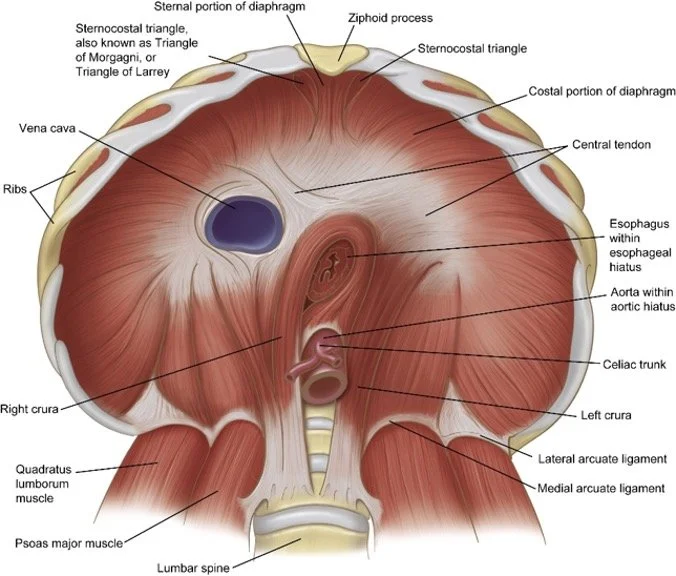
The diaphragm's anatomy is complex, with connection points throughout the body. These connections include the sternum, ribs, and lumbar spine. The diaphragm also has openings that allow passage for major vessels such as the aorta and esophagus, creating a functional link between the thorax above and the abdomen below (Bordoni & Zanier, 2013).

Neural drive to the diaphragm comes from the cervical spine (C3, C4, C5), often remembered with the cue “C3-4-5 keeps the diaphragm alive.” Another key input comes from the vagus nerve, which helps regulate the depth and frequency of diaphragmatic movement, and plays an especially important role in the parasympathetic (“rest and digest”) side of breathing. These details set up the mechanisms discussed below, and help explain how to bias breathing for different outcomes.

Diaphragm, Valsalva, and Force Production

You've probably heard the cue “use your core” in gym and sport settings. It's not a particularly useful instruction, and it often gets misread as crunching the abdominals down and forward. That doesn't support what we call The Stack at Avos Strength, and it doesn't create an efficient system for force production.

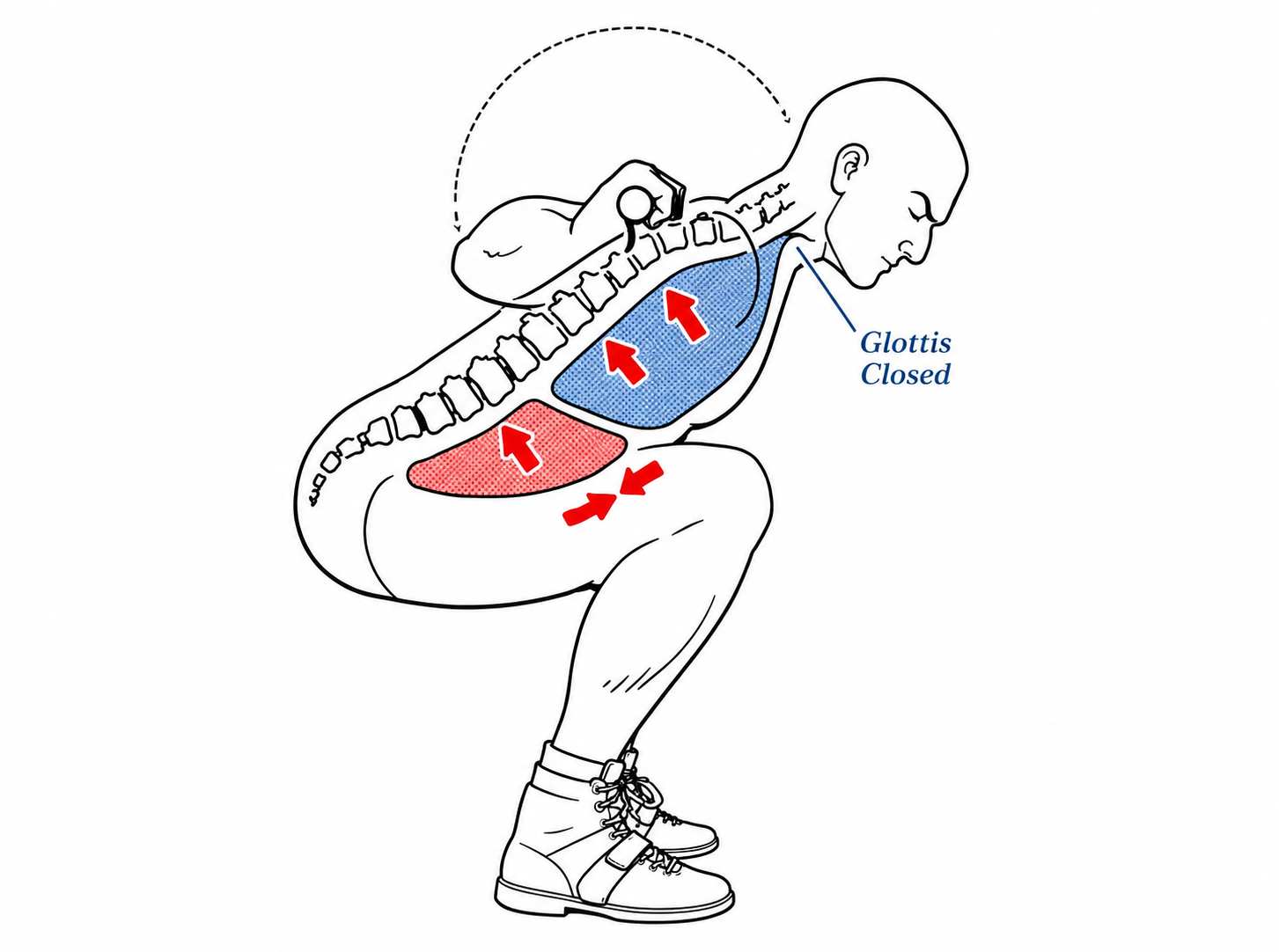
As you inhale and exhale, the diaphragm's movement changes lung volume, which can be used to increase intra-abdominal pressure (IAP). This pressure allows the breath, abdominal muscles, and back muscles to work together, improving spinal stability and force production (Guo et al., 2021).

The Valsalva maneuver (VM) is a forceful exhale against a closed airway. Lifting heavy loads, or lighter loads close to failure, naturally creates a brief VM (Hackett & Chow, 2013). Combined with increased IAP, this is thought to improve spinal stability and allow for more efficient force production.

Disclaimer: Confirm with a healthcare provider that increasing training intensity or intentionally using the Valsalva maneuver is appropriate for you before adding it to your training.

Coach demonstrating bracing and the Valsalva maneuver during a heavy squat

A common strategy is to crunch the abdominals aggressively, which shortens the abdominal muscles and pulls the chest forward. Ironically, this limits the diaphragm's ability to descend and air to enter the thorax. To make this more concrete, here's a simple bracing sequence using the squat as an example:

  1. Standing / prep: A gentle breath in, ideally through the nose.

  2. Standing / prep: A slow, relaxed exhale through the mouth to generate abdominal tension.

  3. Immediately pre-squat: A slight re-inhale to increase pressure against the abdominal wall.

  4. Bottom position: An exhale against a closed mouth or pursed lips if the weight is heavy or fatigue is building.

For a step-by-step walkthrough, see this short video: The Myth of Bracing.

There's nuance here depending on load and volume. For example:

  • At higher intensity (4 sets of 3 reps at 80% 1RM), you might reset your brace and breath every rep, or every second rep, using step 4 each time.

  • At higher volume with lower intensity (3 sets of 6 reps at 70% 1RM), you might complete the first 3 to 4 reps without resetting, and without needing a forceful exhale against a closed mouth. Step 4 might only be needed on the last rep or two.

This sequence isn't necessary for every movement. Relaxed, lower-intensity work without a deliberate brace and Valsalva maneuver is a perfectly healthy strategy for exercises such as:

  • Jefferson curl variations

  • Spinal flow and rotational work

  • Lower-intensity isometric work with continuous breathing

Now, from force production to the softer, broader effects of the diaphragm and breathing.

Further Roles and Influence

1. Proprioception, Balance, and Coordination

Proprioception (your sense of position in space), balance, and coordination are constant, everyday requirements, drawing on input from the inner ear, muscles, eyes, and nervous system. As people age, this information tends to travel less quickly and smoothly, which raises the risk of falls and related injuries. Balance exercises, walking on uneven ground, and visual exercises can all help offset that risk.

The diaphragm plays a role here too. Through its relationship with visceral fat, the diaphragm is itself a source of proprioceptive feedback (Bordoni & Zanier, 2013). Nazir et al. (2026) found that diaphragmatic breathing exercises improved balance confidence, reduced fatigue, and improved gait velocity in older adults.

The exercise used to produce that improvement was simple:

  • Twice a week: 2 rounds of 6 minutes of focused diaphragmatic breathing.

  • Diaphragmatic breathing: one hand on the chest, one hand on the belly button. Breathe in through the nose for 4 seconds, out through the mouth for 6 seconds.

No equipment, minimal time, and a meaningful reduction in fall risk. That's a good example of how much reach this type of training can have.

2. Restoration and Recovery

Many people are good at the hard side of training: pushing through a tough session, finishing a hard interval workout. Deliberate breathing plays an important role there, as discussed above, but recovery and downregulation matter just as much.

As mentioned in the anatomy section, the vagus nerve supplies the diaphragm and is tied to the rest-and-digest side of the nervous system. Slower, relaxed, mindful breathing after high-intensity activity can help activate the parasympathetic nervous system. Research has linked this to reductions in heart rate and respiration rate, and improvements in heart rate variability (Renaghan et al., 2023). See also Why Your Training Program Won't Work Without Sleep, Nutrition, and Recovery for more on why recovery deserves this kind of attention.

A simple way to introduce this: find a comfortable position (sitting, lying flat, or on your side) and take 10 to 20 relaxed breaths in through the nose and out through the mouth. Beyond supporting recovery, it also bookends the workout, creating a clear separation between the hard and the soft.

These are two of many ways the diaphragm and breathing influence training and daily life. There's a lot of literature on specific breathing styles (box breathing, Buteyko, and others), which can get overwhelming quickly. The simplest entry point is just adding short periods of focused, intentional breathing: relaxed in through the nose, slightly prolonged out through the mouth.

How to Apply This in Training

  • Resistance training: Don't crunch the abdominals. Use a deliberate inhale-exhale to create stiffness before the movement. If appropriate, incorporate the Valsalva maneuver on higher-intensity efforts or more fatiguing higher-rep sets.

  • Balance and proprioception: For older adults, add 2 sessions per week of 10 to 15 minutes of deliberate breathing practice to help offset age-related balance and fall risk.

  • Restoration: Use relaxed breathing in a comfortable position after hard training to support recovery and help the body absorb the training stimulus.

Key Takeaways

  • The diaphragm supports force production during strength training, largely through its role in generating intra-abdominal pressure.

  • Deliberate breathing, not aggressive crunching, is what creates a stable, braced trunk.

  • Diaphragmatic breathing can meaningfully improve balance and reduce fall risk in older adults, with just a few minutes of practice per week.

  • Slow, relaxed breathing after training helps activate recovery through the parasympathetic nervous system.

  • Simple, short breathing practices, done consistently, offer an outsized return relative to the effort involved.

Next Up

Moving down the body: the next post in this series will cover foot pressure and foot strength, and how they relate to force production, balance, and longevity, in the gym, in sport, and in everyday life.

References

Bordoni, B., & Zanier, E. (2013). Anatomic connections of the diaphragm: Influence of respiration on the body system. Journal of Multidisciplinary Healthcare, 6, 281–291. https://doi.org/10.2147/JMDH.S45443

Guo, J., et al. (2021). Embodiment of intra-abdominal pressure in a flexible multibody model of the trunk and the spinal unloading effects during static lifting tasks. Biomechanics and Modeling in Mechanobiology, 20(4), 1599–1626. https://doi.org/10.1007/s10237-021-01465-1

Hackett, D. A., & Chow, C.-M. (2013). The Valsalva maneuver: Its effect on intra-abdominal pressure and safety issues during resistance exercise. Journal of Strength and Conditioning Research, 27(8), 2338–2345. https://doi.org/10.1519/JSC.0b013e31827de07d

Nazir, S., et al. (2026). The effect of diaphragmatic breathing and diaphragmatic mobilization on physical performance, fear of falling, and quality of life in community-dwelling older adults: A randomized controlled trial. PLoS ONE, 21(1), e0339868.

Renaghan, E., et al. (2023). The effects of relaxation techniques following acute, high intensity football training on parasympathetic reactivation. Frontiers in Sports and Active Living, 5. https://doi.org/10.3389/fspor.2023.1267631

How Tongue Position and Jaw Function May Improve Strength, Balance, and Breathing

Part 1 of the Improving Force Production and Movement From Head to Toe Series

Written by Michael Crawley, BSc, BPT, CSCS

Introduction

When people think about improving strength and force production, attention is usually directed toward the obvious areas: the legs, hips, trunk, and shoulders. Rarely does anyone consider the tongue or jaw.

At first glance, this seems reasonable. The tongue is typically associated with speech, swallowing, and airway function rather than athletic performance. However, emerging research suggests that tongue position, tongue strength, and jaw function may influence force production, balance, coordination, and respiratory mechanics.

Force is rarely generated by a single muscle or body part in isolation. Instead, it is transferred throughout the body as multiple regions work together. A foundational piece of this is learning how to position the body to generate and transmit tension effectively. As covered in The Stack blog post, the alignment of the rib cage relative to the pelvis and head provides a structural template that underpins efficient force production. The strategies explored in this series build on that foundation.

This article is the first in a series examining how different regions of the body contribute to force production and movement quality. We will begin at the top, exploring the tongue and jaw, before working downward through the diaphragm and foot.

Series Breakdown

This series will explore three often-overlooked contributors to force production, movement quality, and long-term function:

  1. The tongue and jaw

  2. The diaphragm and bracing

  3. The foot and pressure distribution

Together, these concepts provide additional tools that may help an individual break through a plateau in a lift, improve their strategies to strength train, or attenuate some of the deficits and systemic problems which develop with age. Each of these builds on the positional foundation established in The Stack.

The Tongue & Jaw: Pressure and Position

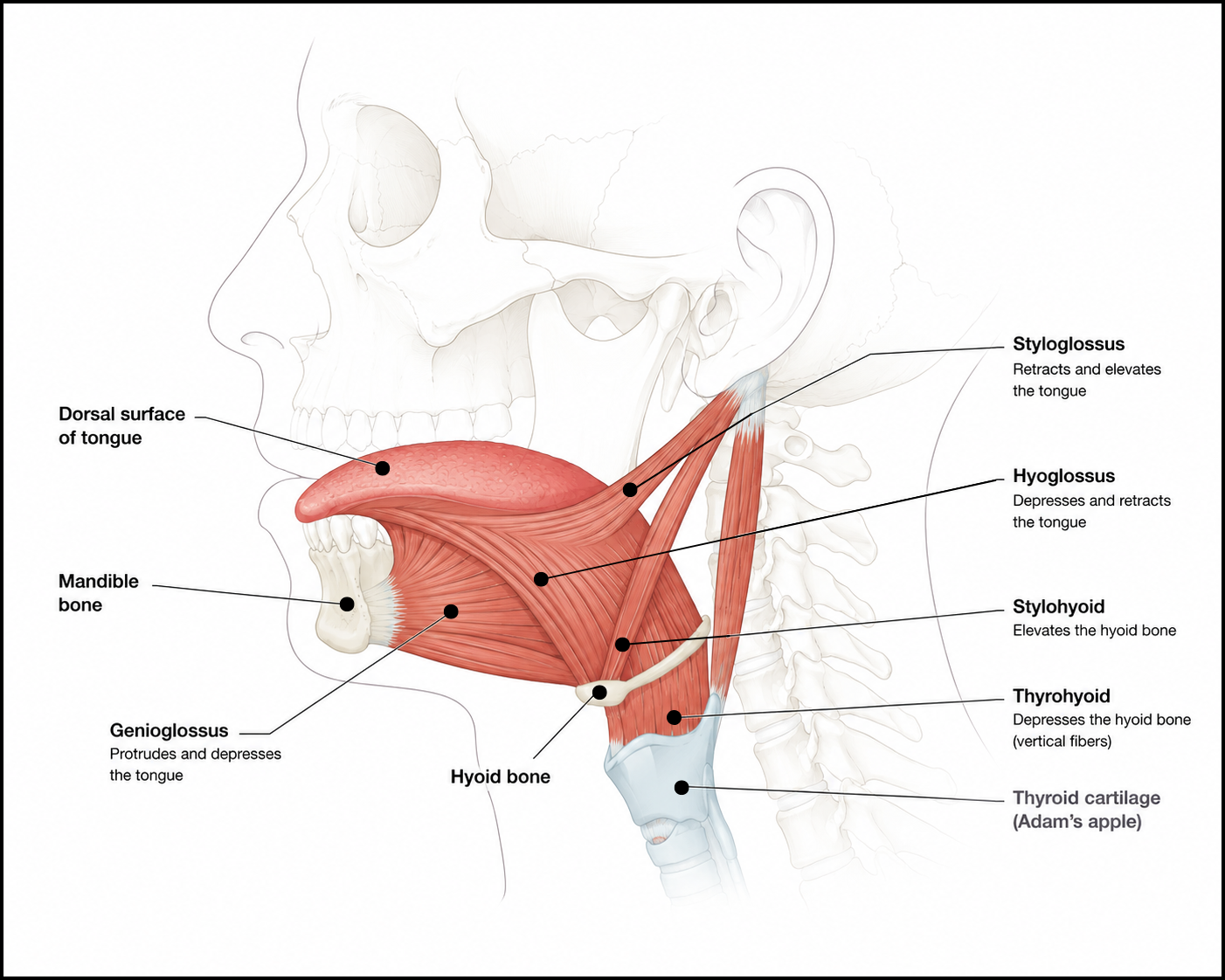
The embryological development and anatomy of the tongue can shed light on how it is a forgotten piece in strength training and human function beyond mastication and speech. The tongue consists of intrinsic and extrinsic muscle connections. This allows an intricate dance where the complex can adapt its activation and position differently during breathing and swallowing (Fregosi and Ludlow 2014).

The tongue has the same neural origins as the hyoid bone and associated musculature involved in head and neck stabilization. The hyoid bone is a floating bone acting as an interface for the origin of the tongue and connector of important neck and jaw muscles.

Anatomical diagram of the tongue and hyoid bone showing their connection to strength and performance

There is a functional relationship between the tongue and diaphragm, demonstrated through the coordinated activation of specific extrinsic tongue muscles during respiration (Sokoloff 2004). As a result, tongue function can influence how easily air moves through the airway and how efficiently we breathe. This will really be hammered home in Part 2 regarding the diaphragm and bracing.

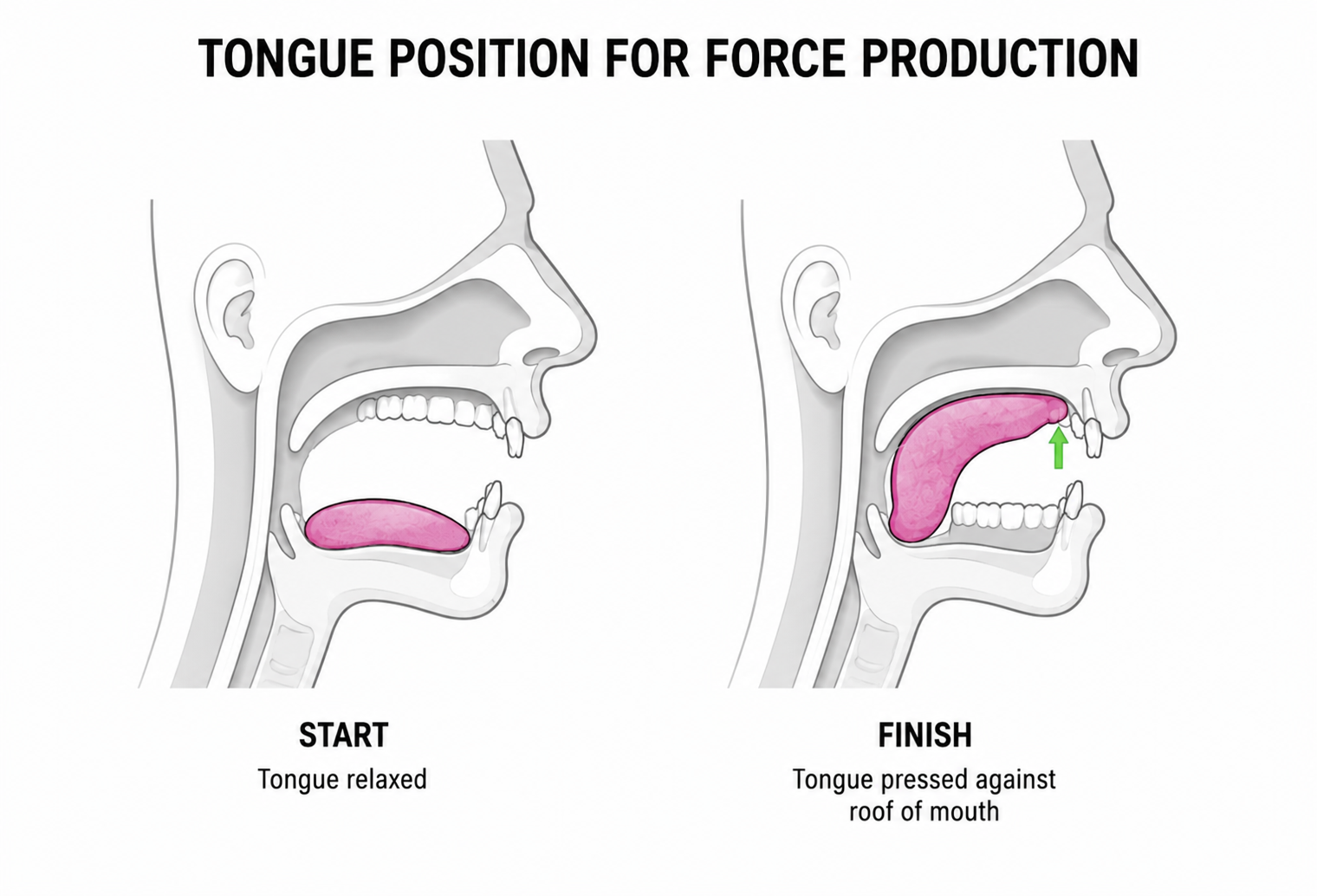
The tongue and jaw do not operate independently. Resting tongue position helps influence both jaw alignment and head posture, with the ideal resting position being the tongue gently placed against the roof of the mouth.

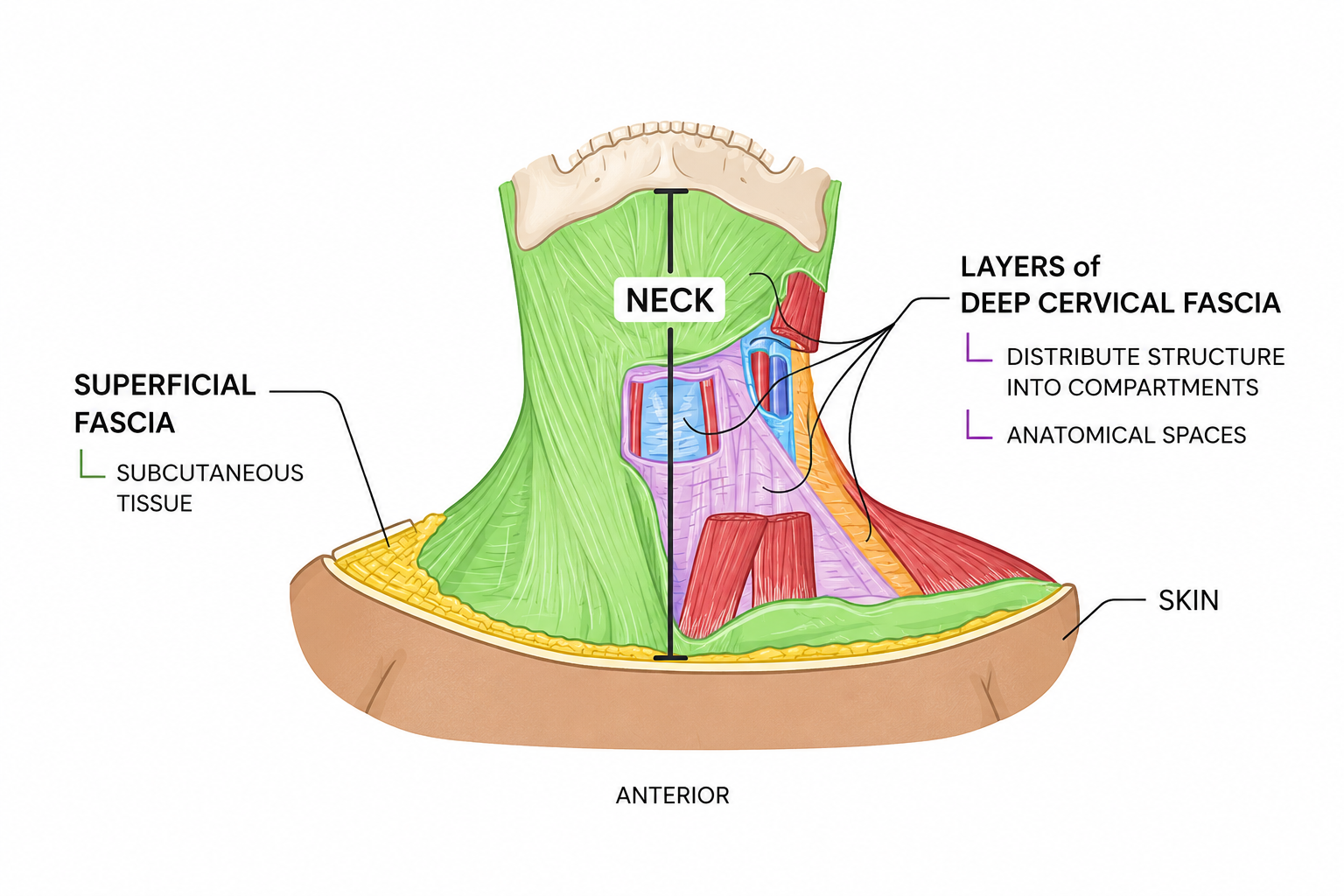
The jaw is also closely connected to the neck and upper body through muscles, nerves, and connective tissues (Silveira et al. 2015). Because of these connections, changes in jaw position can influence how the head, neck, and shoulders work together.

This is important because force is rarely generated by a single muscle or body part. Instead, it is transferred throughout the body as multiple regions work together. The tongue and jaw may seem far removed from exercises such as squats, deadlifts, or carries, but their connections to the neck and upper body suggest they can still influence posture, stability, and force production.

The image below highlights some of the tissues that link the jaw, neck, and shoulder region. Next, we will discuss how tongue function changes over time and why this may be particularly important for the older athlete.

Diagram of jaw, neck, and shoulder anatomy showing how force transmits through connective tissue

Importance of Tongue Function in the Older Athlete

When most people think about age-related muscle loss, they think of weaker legs, reduced grip strength, or difficulty getting up from a chair. What is often overlooked is that the tongue also loses strength and muscle mass with age.

This decline in tongue function has been associated with several important health concerns, including impaired swallowing, increased risk of aspiration, and poorer balance (Bordoni et al. 2018). In other words, tongue function may influence much more than speech or eating.

For older athletes and gym-goers, this creates an interesting opportunity. Maintaining tongue strength and awareness may be a simple strategy to support both performance and long-term health. While it is unlikely to be the most important piece of the puzzle, it may be one of the easier ones to address. Similar to strength training itself, small improvements maintained over time can have a meaningful impact on long-term health, balance, and independence.

This could be as simple as applying firm tongue pressure to the roof of the mouth during heavier lifts or practicing proper resting tongue position while performing breathing exercises and warm-up activities.


Evidence of Tongue Pressure and Strength Performance

At this point, it is reasonable to ask whether tongue position and tongue pressure actually influence strength and movement, or whether this is simply an interesting anatomical discussion.

While the research in this area is still developing, several studies have demonstrated improvements in force production, balance, and movement performance when tongue position or tongue stimulation is altered.

Some examples include:

  • Saito et al. (2022) demonstrated that the rate of force development (RFD) of tongue pressure was strongly correlated with knee extensor strength and single-leg stand time in adults over 65.

  • di Vico et al. (2013) found that tongue position significantly impacted knee flexor strength test performance. Participants generated approximately 30% greater force when the tongue was pressed against the roof of the mouth compared to a resting position.

  • Wildenberg et al. (2010) found improvements in balance and postural sway following external tongue stimulation in older adults.

Taken together, these findings suggest that tongue function may influence more than just speech, swallowing, and breathing. It may also play a role in force production, balance, and coordination.

This does not mean tongue position should become the primary focus of a training program. Rather, it may represent another small but useful strategy that can be incorporated alongside sound strength training principles.

The diagram below demonstrates the recommended tongue position, with the tongue resting against the roof of the mouth and the tip sitting just behind the upper front teeth. The next question is why these changes might influence performance in the first place.

Diagram showing proper tongue position against the roof of the mouth for improved force production

Why Might the Tongue and Jaw Influence Performance?

At this point, the obvious question is: why would tongue position or jaw activity affect strength, balance, and movement quality in the first place?

The honest answer is that we do not know exactly. While the relationship between tongue position and breathing is well established, the mechanisms behind its apparent influence on force production and coordination are still being investigated.

Several theories have been proposed, including changes in nervous system activation, interactions between cranial nerves involved in coordination, and connective tissue links between the tongue, neck, and chest (Bordoni et al. 2018). Regardless of the exact mechanism, multiple studies have demonstrated improvements in strength, balance, and movement performance when tongue position, tongue pressure, or jaw activity are altered.

Similar findings have been reported with jaw clenching. Research has demonstrated improvements in force production, grip strength, jumping performance, rowing strength, and balance when a jaw clench is incorporated during testing (Allen et al. 2017; Buscà et al. 2016; Alghadir et al. 2015).

However, there is an important trade-off. Unlike tongue position, excessive or habitual jaw clenching can contribute to issues such as teeth grinding (bruxism) and temporomandibular joint (TMJ) irritation. For that reason, I generally place greater emphasis on tongue position and tongue strength than aggressive jaw clenching. The potential benefits appear similar, while the downside risk is lower.

The broader lesson is that force production is not simply a function of the muscles directly involved in a lift. The body operates as an integrated system, and seemingly small factors such as tongue position, breathing strategy, and jaw position may influence how force is generated and transferred throughout the body.

This is one reason why movement assessments should look beyond individual muscles and joints. At Avos Strength, our assessment process examines how multiple systems work together to influence movement quality, performance, and long-term function.

Summary

The tongue and jaw may influence more than speech, swallowing, and chewing. Research suggests they can also affect breathing, balance, coordination, and force production.

While these factors are unlikely to be the primary drivers of performance, they represent simple strategies that may improve movement quality and strength expression when combined with sound training principles.

For older adults, maintaining tongue function may also have benefits beyond the gym, supporting balance, respiratory function, and overall quality of life.

Takeaways

  • Pressing the tongue firmly against the roof of the mouth may help improve force production during strength exercises.

  • Resting the tongue gently against the roof of the mouth can support an open airway and efficient breathing during mobility, warm-up, and recovery work.

  • Jaw clenching may improve strength, jumping performance, and balance, but excessive or habitual clenching can contribute to jaw irritation and teeth grinding.

  • If choosing between the two strategies, tongue position is likely the lower-risk and more practical place to start.

  • These concepts should be viewed as small pieces of the puzzle, not replacements for sound strength training, recovery, and exercise technique.

Next Up

In Part 2, we will move one step lower and examine the diaphragm, breathing, and bracing.

Topics will include:

  • Basic diaphragm anatomy and function

  • The relationship between breathing and trunk stability

  • Bracing strategies for strength training performance

  • Practical applications for both performance and long-term health

If you'd like a movement assessment to see how these systems are working together in your own body, book an initial assessment.

References

Alghadir, A. H. et al. 2015. Effect of three different jaw positions on postural stability during standing. Funct Neurol 30(1), pp. 53-57.

Allen, C. et al. 2017. The Effects Of Jaw Clenching And Jaw Alignment Mouthpiece Use On Force Production During Vertical Jump And Isometric Clean Pull. Journal of Strength and Conditioning Research 32, p. 1. doi: 10.1519/JSC.0000000000002172

Bordoni, B. et al. 2018. The Anatomical Relationships of the Tongue with the Body System. Cureus 10. doi: 10.7759/cureus.3695

Buscà, B. et al. 2016. Effects of Jaw Clenching While Wearing a Customized Bite-Aligning Mouthpiece on Strength in Healthy Young Men. The Journal of Strength & Conditioning Research 30(4).

di Vico, R. et al. 2013. The acute effect of the tongue position in the mouth on knee isokinetic test performance: a highly surprising pilot study. Muscles Ligaments Tendons J 3(4), pp. 318-323.

Fregosi, R. F. and Ludlow, C. L. 2014. Activation of upper airway muscles during breathing and swallowing. J Appl Physiol 116(3), pp. 291-301. doi: 10.1152/japplphysiol.00670.2013

Miró, A. et al. 2023. Acute effects of jaw clenching while wearing a customized bite-aligning mouthguard on muscle activity and force production during maximal upper body isometric strength. Journal of Exercise Science & Fitness 21(1), pp. 157-164. doi: https://doi.org/10.1016/j.jesf.2022.12.004

Saito, S. et al. 2022. Relationship between Rate of Force Development of Tongue Pressure and Physical Performance. J Clin Med 11(9). doi: 10.3390/jcm11092347

Silveira, A. et al. 2015. Jaw dysfunction is associated with neck disability and muscle tenderness in subjects with and without chronic temporomandibular disorders. Biomed Res Int 2015, p. 512792. doi: 10.1155/2015/512792

Sokoloff, A. J. 2004. Activity of tongue muscles during respiration: it takes a village? Journal of Applied Physiology 96(2), pp. 438-439. doi: 10.1152/japplphysiol.01079.2003

Wildenberg, J. C. et al. 2010. Sustained cortical and subcortical neuromodulation induced by electrical tongue stimulation. Brain Imaging Behav 4(3-4), pp. 199-211. doi: 10.1007/s11682-010-9099-7

Osteopenia and Strength Training for Women: What Happens Before Menopause

Written by Evelyn Calado, MKin, CSCS, RKin

Woman performing strength training to support bone density during perimenopause

There is a persistent misconception that bone loss is something that “just happens” after menopause. By the time many women start thinking seriously about bone density, the process of loss is already well underway.

Osteopenia and strength training are directly linked, yet most women are not told how early bone loss actually begins.

Bone health is not a passive outcome of aging. It is an active, dynamic process shaped by hormones, mechanical loading, and energy availability across the entire female lifespan.

Understanding osteopenia requires understanding one central principle: bone is living tissue, constantly undergoing remodeling through the opposing actions of osteoblasts and osteoclasts.

Bone Remodeling: The Balance Between Formation and Breakdown

At any given moment, your skeleton is not static. It is metabolically active.

  • Osteoblasts are responsible for bone formation

  • Osteoclasts are responsible for bone resorption

In a healthy system, these processes are tightly coupled. Bone that is broken down is replaced with new, strong bone. The integrity of your skeleton depends on the balance between these two forces.

Estrogen plays a critical regulatory role in maintaining this equilibrium.

Estrogen as a Regulator of Bone Turnover

Estrogen is not just a reproductive hormone. It is deeply involved in musculoskeletal health.

It functions, in part, by:

  • Inhibiting excessive osteoclast activity

  • Supporting osteoblast survival and activity

When estrogen levels are stable, bone turnover remains balanced. But when estrogen becomes low or erratic, this regulatory system begins to fail.

Estrogen does not “leach calcium from bone.” Its decline removes inhibitory control over osteoclasts, allowing bone resorption to outpace formation.

The result is a gradual reduction in bone mineral density, what we clinically recognize as osteopenia, and eventually osteoporosis if left unchecked.

Perimenopause: The Underappreciated Inflection Point

Much of the conversation around bone health focuses on postmenopause. However, perimenopause is a critical and often overlooked phase.

This is not simply a state of low estrogen. It is a state of hormonal volatility.

During perimenopause:

  • Estrogen levels fluctuate unpredictably

  • Progesterone exposure becomes inconsistent

  • The coordination of tissue remodeling processes becomes impaired

These fluctuations influence:

  • Bone turnover

  • Muscle protein synthesis

  • Recovery capacity

The net effect is a physiological environment that becomes increasingly catabolic, meaning tissue breakdown can begin to exceed tissue formation.

This is why bone density decline can begin before menopause is complete.

The Muscle–Bone Unit: Why Strength Matters

Bone does not exist in isolation. It is functionally linked to muscle through what is often referred to as the muscle–bone unit.

When muscle contracts, it exerts mechanical force on bone. This mechanical strain is the primary stimulus for bone adaptation.

Without sufficient loading, the body interprets bone as metabolically expensive and unnecessary, and osteoclastic activity increases accordingly.

Strength training directly targets this system.

Through high-load resistance exercise:

  • Muscle force increases

  • Mechanical strain on bone increases

  • Osteoblast activity is stimulated

  • Bone mineral density is preserved or improved

This is not a marginal effect. It is one of the most powerful non-pharmacological interventions available for maintaining skeletal integrity.

If you are unsure where to start, an individualized approach begins with an initial assessment.

Why Endurance Alone Is Not Enough

Many active women assume that being “fit” is sufficient to protect bone health. However, endurance training does not provide the same osteogenic stimulus as resistance training.

In fact, without adequate nutrition and strength work, high volumes of endurance exercise can:

  • Increase cortisol and systemic stress

  • Contribute to low energy availability

  • Impair bone formation

Bone health requires specific, targeted mechanical loading, not just general activity.

Why Strength Training Is Essential for Women’s Bone Health

Dr. Stacy Sims is explicit. Strength training is not optional for women. It is a lifelong requirement.

General recommendations include:

  • At least 2 to 3 strength sessions per week

  • Emphasis on heavy resistance, not just light weights

  • Inclusion of compound lifts and power-based movements

This becomes even more critical during perimenopause and beyond, when:

  • Muscle mass becomes harder to maintain

  • Hormonal support for tissue repair declines

  • The risk of accelerated bone loss increases

Strength training is not simply about preserving aesthetics or performance. It is about maintaining structural integrity.

For most people, this requires structure, progression, and accountability, which is exactly what personalized training provides.

The Compounding Effect of Muscle Loss

Muscle loss and bone loss are interconnected.

As muscle mass declines:

  • Mechanical loading on bone decreases

  • Bone formation signals weaken

  • Risk of fragility increases

Hormonal environments during this phase can also increase muscle protein breakdown, making it harder to maintain lean mass without intentional intervention.

This creates a feedback loop:

Less muscle leads to less bone stimulus, which leads to weaker bone and higher injury risk.

Strength training interrupts this cycle.

Bone Health Is Built, Not Preserved

One of the most important reframes is this:

You are not trying to hold on to bone. You are trying to continually build and reinforce it.

Bone is responsive tissue. It adapts to the signals it receives.

  • If the signal is inactivity, bone loss occurs

  • If the signal is chronic stress without adequate fuel, bone loss occurs

  • If the signal is heavy loading with adequate nutrition, bone strength improves

Perimenopause does not mark the end of this adaptability. It simply raises the stakes.

Final Thoughts

Osteopenia is not an inevitable consequence of aging. It is, in large part, the result of mismatched physiology, where hormonal changes are not met with appropriate mechanical and nutritional support.

Estrogen may set the stage, but behavior determines the outcome.

Strength training, done consistently and with sufficient intensity, provides the necessary stimulus to:

  • Maintain bone mineral density

  • Preserve lean muscle mass

  • Counteract the catabolic shifts of hormonal fluctuation

For women entering perimenopause, this is not optional. It is essential.

And the earlier this foundation is built, the more resilient the system becomes over time.

This is why most of the women we work with are already incorporating structured resistance training before these changes begin, many of them through our hybrid coaching program.

Source

Dr. Stacy Sims, ROAR

Is Two Days per Week of Strength Training Enough for Longevity?

Written by Evelyn Calado, MKin, CSCS, RKin

trength training exercise, lat pulldown, demonstrating longevity-focused resistance training

If you look at most public health guidelines, the answer seems straightforward. Adults are advised to perform muscle-strengthening activities at least two days per week. This recommendation appears in Canadian, American, and international guidelines and applies to both adults and older adults.

But this raises an important question.

Is two days per week simply the minimum needed to check a health box, or is it actually enough to support long-term health, independence, and longevity?

The short answer is that two days per week can be enough, but only under specific conditions. Frequency alone does not determine whether strength training meaningfully impacts longevity. The quality and intensity of the stimulus matter far more than the number of days on a calendar.

What the Guidelines Actually Mean

Public health recommendations are designed for populations, not individuals. Their goal is to identify the lowest effective dose of activity that meaningfully reduces disease risk at a broad scale.

When guidelines recommend strength training twice per week, they are not suggesting that this is optimal for strength, muscle mass, or performance. They are identifying a threshold below which health risks increase, particularly as we age.

In other words, two days per week is a floor, not a ceiling.

Strength Training and Longevity: What the Research Actually Shows

Research consistently shows that resistance training is associated with lower all-cause mortality, reduced cardiovascular disease risk, and improved long-term health outcomes. From a public health perspective, even relatively small amounts of strength training appear to provide meaningful benefit.

However, it is important to be precise about what these findings actually represent.

Most large-scale longevity studies are designed to identify the minimum effective dose of strength training required to reduce population-level risk. They are not designed to define what is optimal for building strength, preserving muscle mass, or maximizing physical capacity across the lifespan.

In this context, it is true that one to two well-performed strength training sessions per week capture a substantial portion of the longevity benefit observed in epidemiological research. Beyond that point, additional sessions do not appear to reduce mortality risk in a simple, linear fashion.

This does not mean that training more is unnecessary, nor does it suggest that strength beyond a certain point stops being valuable. It simply reflects how longevity is measured in large populations.

For individuals interested in aging well, remaining strong, and protecting themselves against injury, disability, and loss of independence, the goal should not be to meet the minimum dose, but to build and maintain as much usable strength as possible over time.

Longevity vs Capacity: Two Different Goals

It is worth separating two concepts that are often conflated.

Training for longevity focuses on reducing disease risk and maintaining basic function. Training for capacity focuses on building strength, muscle mass, power, and resilience.

While two strength sessions per week may be sufficient to support longevity-related outcomes and can improve strength and muscle mass, they are often not the most effective approach for maximizing those qualities long term, particularly in trained individuals or as we age.

From a coaching perspective, the objective is not to do the least amount of work required to stay alive. The objective is to build a body that remains capable, robust, and adaptable for decades.

That typically requires more than the minimum.

Grip Strength, Brain Health, and Why Strength Is More Than Muscle

One of the most compelling demonstrations of strength’s relationship to long-term health comes from research on grip strength.

A large prospective study using data from nearly 500,000 adults in the UK Biobank examined the association between hand grip strength and dementia incidence. Grip strength, often used as a proxy for overall muscular strength, was found to be strongly and inversely associated with dementia risk.

Individuals in the lowest quartile of grip strength had a 72 percent higher incidence of dementia compared to those in the highest quartile.

This finding is important for two reasons.

First, it reinforces that muscular strength is closely tied to neurological and cognitive health, not just physical capability.

Second, it highlights that simple, measurable indicators of strength can reflect deeper systemic health. This is one reason grip strength is included in assessments such as the Avos Performance Battery. It provides insight into overall robustness, not just hand function.

Strength training, when performed with sufficient intensity, appears to play a meaningful role in preserving mobility, independence, and long-term brain health.

Strength Still Matters Even When Cardio Is “Good Enough”

Another frequently overlooked point is that strength contributes to longevity independently of cardiovascular fitness.

A long-term study following approximately 1,500 men over the age of 40 with hypertension for nearly 18 years examined the relationship between muscular strength, cardiorespiratory fitness, and mortality risk.

The findings were striking.

Even among men who were only in the bottom half of cardiorespiratory fitness, those in the top third for muscular strength had an almost 48 percent lower risk of all-cause mortality compared to those in the lowest strength group.

In other words, being strong mattered, even when aerobic fitness was not exceptional.

The lowest mortality risk was observed in individuals who were both strong and aerobically fit, but strength alone still provided a substantial protective effect. This reinforces the idea that resistance training is not optional if longevity is the goal.

Is Two Days per Week Enough in Practice?

This is where nuance matters.

For many adults, particularly those with limited time, two well-designed strength training sessions per week can meaningfully support long-term health. When performed with sufficient intensity and progression, this approach can maintain and often improve key outcomes such as:

  • Muscular strength

  • Muscle mass (particularly in untrained individuals or those returning to training)

  • Bone health

  • Joint capacity and tissue tolerance

  • Metabolic health

  • Overall function and independence as you age

However, outcomes depend on the goal, training history, and how the sessions are structured.

If an individual’s goal includes maximizing lean muscle mass, strength, power, or creating a larger buffer against age-related decline, training more than twice per week is often useful. This is not because two days “doesn’t work,” but because additional sessions often make it easier to accumulate more high-quality weekly training volume, practice key movement patterns, and progress without excessively long sessions.

Frequency alone does not determine effectiveness. What matters is whether training provides enough mechanical tension, effort, and progression to challenge the tissues that decline most rapidly with age.

Using five-pound dumbbells indefinitely, avoiding effort, or treating strength training as light activity rather than progressive overload is unlikely to produce meaningful adaptation.

Two high-quality sessions can outperform several low-effort ones. But for many people seeking to age strong, three to four sessions per week can be a practical way to accumulate more total weekly work and drive continued progress, especially once the “beginner gains” phase has passed.

Aging Changes the Equation

As we age, muscle protein synthesis becomes less responsive, strength declines faster than endurance, and power loss accelerates. This means that intensity and intent become increasingly important over time.

For older adults, two days per week may still be sufficient, but only if:

  • Exercises are appropriately loaded

  • Movements challenge balance and coordination

  • Strength is trained through meaningful ranges of motion

  • Progression is maintained where possible

Training “often enough” is not the same as training “effectively.”

At Avos Strength, we build programs around your training history and goals, not just the minimum guidelines. If you want to know whether your current training frequency is actually driving progress, you can book an assessment here.