sports performance

How Tongue Position and Jaw Function May Improve Strength, Balance, and Breathing

Part 1 of the Improving Force Production and Movement From Head to Toe Series

Written by Michael Crawley, BSc, BPT, CSCS

Introduction

When people think about improving strength and force production, attention is usually directed toward the obvious areas: the legs, hips, trunk, and shoulders. Rarely does anyone consider the tongue or jaw.

At first glance, this seems reasonable. The tongue is typically associated with speech, swallowing, and airway function rather than athletic performance. However, emerging research suggests that tongue position, tongue strength, and jaw function may influence force production, balance, coordination, and respiratory mechanics.

Force is rarely generated by a single muscle or body part in isolation. Instead, it is transferred throughout the body as multiple regions work together. A foundational piece of this is learning how to position the body to generate and transmit tension effectively. As covered in The Stack blog post, the alignment of the rib cage relative to the pelvis and head provides a structural template that underpins efficient force production. The strategies explored in this series build on that foundation.

This article is the first in a series examining how different regions of the body contribute to force production and movement quality. We will begin at the top, exploring the tongue and jaw, before working downward through the diaphragm and foot.

Series Breakdown

This series will explore three often-overlooked contributors to force production, movement quality, and long-term function:

  1. The tongue and jaw

  2. The diaphragm and bracing

  3. The foot and pressure distribution

Together, these concepts provide additional tools that may help an individual break through a plateau in a lift, improve their strategies to strength train, or attenuate some of the deficits and systemic problems which develop with age. Each of these builds on the positional foundation established in The Stack.

The Tongue & Jaw: Pressure and Position

The embryological development and anatomy of the tongue can shed light on how it is a forgotten piece in strength training and human function beyond mastication and speech. The tongue consists of intrinsic and extrinsic muscle connections. This allows an intricate dance where the complex can adapt its activation and position differently during breathing and swallowing (Fregosi and Ludlow 2014).

The tongue has the same neural origins as the hyoid bone and associated musculature involved in head and neck stabilization. The hyoid bone is a floating bone acting as an interface for the origin of the tongue and connector of important neck and jaw muscles.
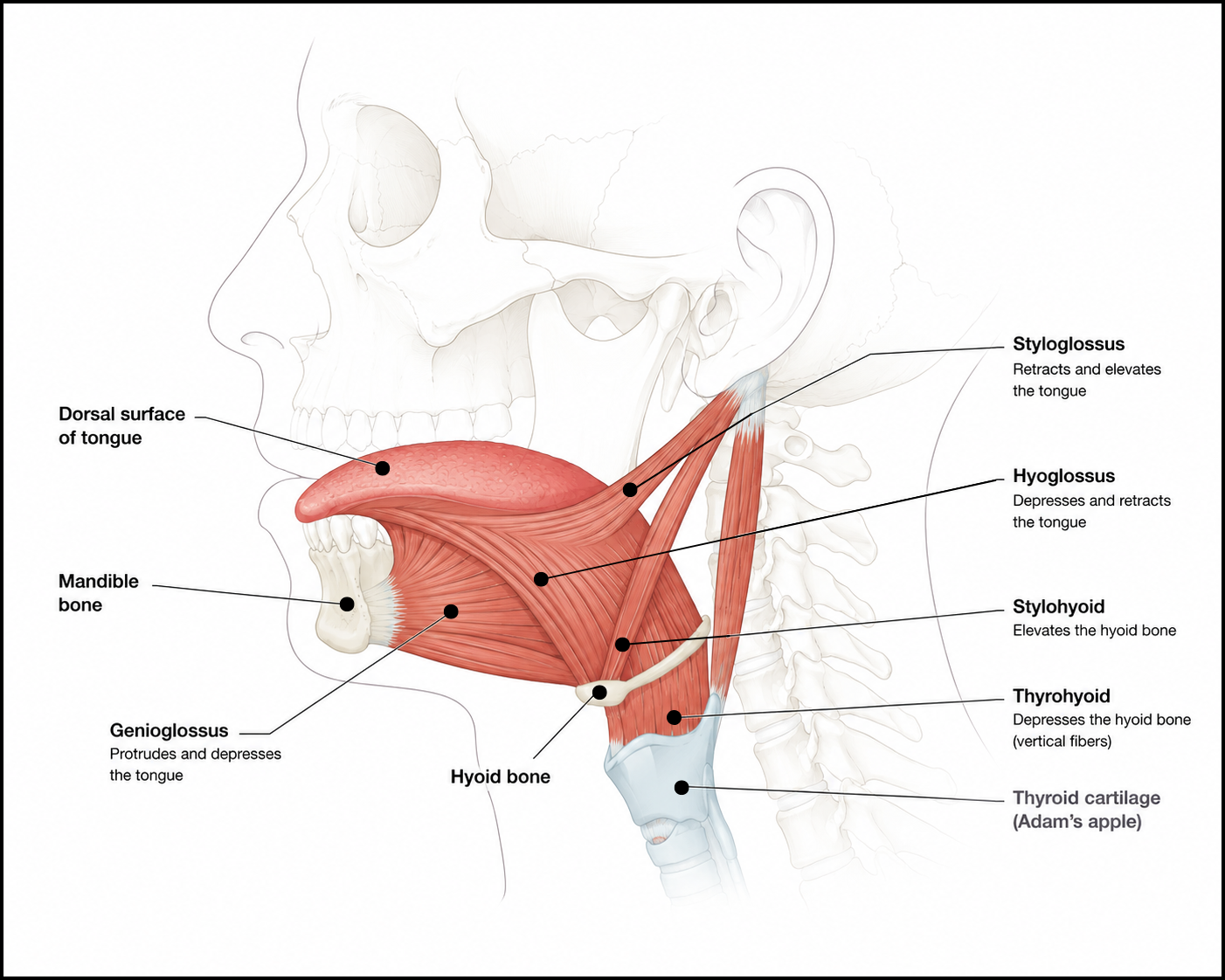
There is a functional relationship between the tongue and diaphragm, demonstrated through the coordinated activation of specific extrinsic tongue muscles during respiration (Sokoloff 2004). As a result, tongue function can influence how easily air moves through the airway and how efficiently we breathe. This will really be hammered home in Part 2 regarding the diaphragm and bracing.

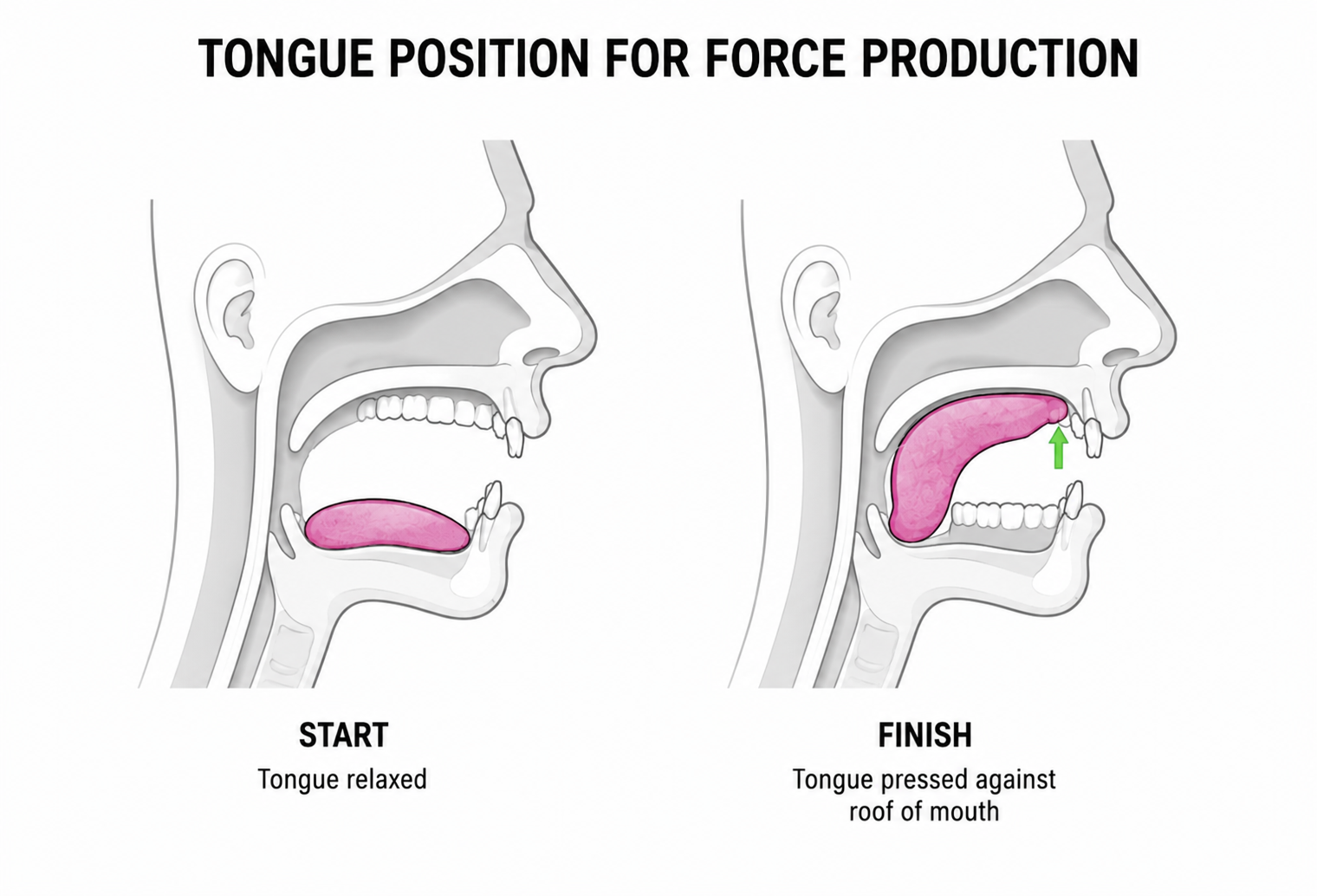
The tongue and jaw do not operate independently. Resting tongue position helps influence both jaw alignment and head posture, with the ideal resting position being the tongue gently placed against the roof of the mouth.

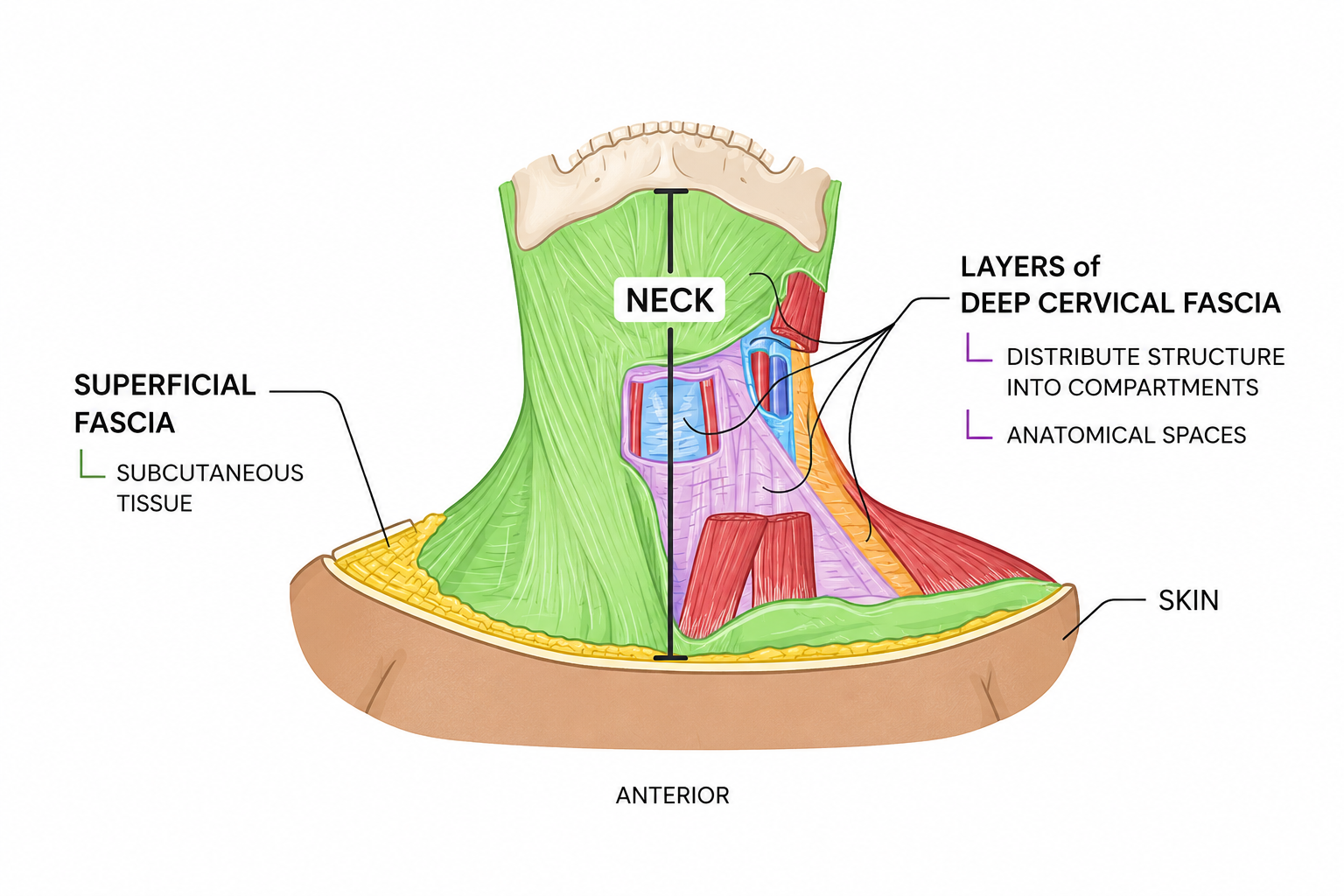
The jaw is also closely connected to the neck and upper body through muscles, nerves, and connective tissues (Silveira et al. 2015). Because of these connections, changes in jaw position can influence how the head, neck, and shoulders work together.

This is important because force is rarely generated by a single muscle or body part. Instead, it is transferred throughout the body as multiple regions work together. The tongue and jaw may seem far removed from exercises such as squats, deadlifts, or carries, but their connections to the neck and upper body suggest they can still influence posture, stability, and force production.

The image below highlights some of the tissues that link the jaw, neck, and shoulder region. Next, we will discuss how tongue function changes over time and why this may be particularly important for the older athlete.
Importance of Tongue Function in the Older Athlete

When most people think about age-related muscle loss, they think of weaker legs, reduced grip strength, or difficulty getting up from a chair. What is often overlooked is that the tongue also loses strength and muscle mass with age.

This decline in tongue function has been associated with several important health concerns, including impaired swallowing, increased risk of aspiration, and poorer balance (Bordoni et al. 2018). In other words, tongue function may influence much more than speech or eating.

For older athletes and gym-goers, this creates an interesting opportunity. Maintaining tongue strength and awareness may be a simple strategy to support both performance and long-term health. While it is unlikely to be the most important piece of the puzzle, it may be one of the easier ones to address. Similar to strength training itself, small improvements maintained over time can have a meaningful impact on long-term health, balance, and independence.

This could be as simple as applying firm tongue pressure to the roof of the mouth during heavier lifts or practicing proper resting tongue position while performing breathing exercises and warm-up activities.


Evidence of Tongue Pressure and Strength Performance

At this point, it is reasonable to ask whether tongue position and tongue pressure actually influence strength and movement, or whether this is simply an interesting anatomical discussion.

While the research in this area is still developing, several studies have demonstrated improvements in force production, balance, and movement performance when tongue position or tongue stimulation is altered.

Some examples include:

  • Saito et al. (2022) demonstrated that the rate of force development (RFD) of tongue pressure was strongly correlated with knee extensor strength and single-leg stand time in adults over 65.

  • di Vico et al. (2013) found that tongue position significantly impacted knee flexor strength test performance. Participants generated approximately 30% greater force when the tongue was pressed against the roof of the mouth compared to a resting position.

  • Wildenberg et al. (2010) found improvements in balance and postural sway following external tongue stimulation in older adults.

Taken together, these findings suggest that tongue function may influence more than just speech, swallowing, and breathing. It may also play a role in force production, balance, and coordination.

This does not mean tongue position should become the primary focus of a training program. Rather, it may represent another small but useful strategy that can be incorporated alongside sound strength training principles.

The diagram below demonstrates the recommended tongue position, with the tongue resting against the roof of the mouth and the tip sitting just behind the upper front teeth. The next question is why these changes might influence performance in the first place.
Why Might the Tongue and Jaw Influence Performance?

At this point, the obvious question is: why would tongue position or jaw activity affect strength, balance, and movement quality in the first place?

The honest answer is that we do not know exactly. While the relationship between tongue position and breathing is well established, the mechanisms behind its apparent influence on force production and coordination are still being investigated.

Several theories have been proposed, including changes in nervous system activation, interactions between cranial nerves involved in coordination, and connective tissue links between the tongue, neck, and chest (Bordoni et al. 2018). Regardless of the exact mechanism, multiple studies have demonstrated improvements in strength, balance, and movement performance when tongue position, tongue pressure, or jaw activity are altered.

Similar findings have been reported with jaw clenching. Research has demonstrated improvements in force production, grip strength, jumping performance, rowing strength, and balance when a jaw clench is incorporated during testing (Allen et al. 2017; Buscà et al. 2016; Alghadir et al. 2015).

However, there is an important trade-off. Unlike tongue position, excessive or habitual jaw clenching can contribute to issues such as teeth grinding (bruxism) and temporomandibular joint (TMJ) irritation. For that reason, I generally place greater emphasis on tongue position and tongue strength than aggressive jaw clenching. The potential benefits appear similar, while the downside risk is lower.

The broader lesson is that force production is not simply a function of the muscles directly involved in a lift. The body operates as an integrated system, and seemingly small factors such as tongue position, breathing strategy, and jaw position may influence how force is generated and transferred throughout the body.

This is one reason why movement assessments should look beyond individual muscles and joints. At Avos Strength, our assessment process examines how multiple systems work together to influence movement quality, performance, and long-term function.

Summary

The tongue and jaw may influence more than speech, swallowing, and chewing. Research suggests they can also affect breathing, balance, coordination, and force production.

While these factors are unlikely to be the primary drivers of performance, they represent simple strategies that may improve movement quality and strength expression when combined with sound training principles.

For older adults, maintaining tongue function may also have benefits beyond the gym, supporting balance, respiratory function, and overall quality of life.

Takeaways

  • Pressing the tongue firmly against the roof of the mouth may help improve force production during strength exercises.

  • Resting the tongue gently against the roof of the mouth can support an open airway and efficient breathing during mobility, warm-up, and recovery work.

  • Jaw clenching may improve strength, jumping performance, and balance, but excessive or habitual clenching can contribute to jaw irritation and teeth grinding.

  • If choosing between the two strategies, tongue position is likely the lower-risk and more practical place to start.

  • These concepts should be viewed as small pieces of the puzzle, not replacements for sound strength training, recovery, and exercise technique.

Next Up

In Part 2, we will move one step lower and examine the diaphragm, breathing, and bracing.

Topics will include:

  • Basic diaphragm anatomy and function

  • The relationship between breathing and trunk stability

  • Bracing strategies for strength training performance

  • Practical applications for both performance and long-term health

References

Alghadir, A. H. et al. 2015. Effect of three different jaw positions on postural stability during standing. Funct Neurol 30(1), pp. 53-57.

Allen, C. et al. 2017. The Effects Of Jaw Clenching And Jaw Alignment Mouthpiece Use On Force Production During Vertical Jump And Isometric Clean Pull. Journal of Strength and Conditioning Research 32, p. 1. doi: 10.1519/JSC.0000000000002172

Bordoni, B. et al. 2018. The Anatomical Relationships of the Tongue with the Body System. Cureus 10. doi: 10.7759/cureus.3695

Buscà, B. et al. 2016. Effects of Jaw Clenching While Wearing a Customized Bite-Aligning Mouthpiece on Strength in Healthy Young Men. The Journal of Strength & Conditioning Research 30(4).

di Vico, R. et al. 2013. The acute effect of the tongue position in the mouth on knee isokinetic test performance: a highly surprising pilot study. Muscles Ligaments Tendons J 3(4), pp. 318-323.

Fregosi, R. F. and Ludlow, C. L. 2014. Activation of upper airway muscles during breathing and swallowing. J Appl Physiol 116(3), pp. 291-301. doi: 10.1152/japplphysiol.00670.2013

Miró, A. et al. 2023. Acute effects of jaw clenching while wearing a customized bite-aligning mouthguard on muscle activity and force production during maximal upper body isometric strength. Journal of Exercise Science & Fitness 21(1), pp. 157-164. doi: https://doi.org/10.1016/j.jesf.2022.12.004

Saito, S. et al. 2022. Relationship between Rate of Force Development of Tongue Pressure and Physical Performance. J Clin Med 11(9). doi: 10.3390/jcm11092347

Silveira, A. et al. 2015. Jaw dysfunction is associated with neck disability and muscle tenderness in subjects with and without chronic temporomandibular disorders. Biomed Res Int 2015, p. 512792. doi: 10.1155/2015/512792

Sokoloff, A. J. 2004. Activity of tongue muscles during respiration: it takes a village? Journal of Applied Physiology 96(2), pp. 438-439. doi: 10.1152/japplphysiol.01079.2003

Wildenberg, J. C. et al. 2010. Sustained cortical and subcortical neuromodulation induced by electrical tongue stimulation. Brain Imaging Behav 4(3-4), pp. 199-211. doi: 10.1007/s11682-010-9099-7
Why Your Training Program Won’t Work Without Sleep, Nutrition, and Recovery

Written by Evelyn Calado, MKin, CSCS, RKin

One of the hardest things for coaches to accept is this:

You can write the most detailed, individualized, evidence-informed training program possible, and it still may not work if the big rocks are not in place.

I’ve seen this over and over again throughout my coaching career.

The athlete is committed.
They show up consistently.
They follow the sets, reps, tempos, and rest periods.
They train hard.
They genuinely want results.

But outside the gym?

They’re sleeping five hours a night.
Their stress is through the roof.
They barely drink water.
Their nutrition is inconsistent.
They rely on caffeine to survive the day and supplements to try to “fix” the problem.

At some point, the body stops being able to recover.

And recovery is where adaptation actually happens.

You Don’t Get Better During Training

Training is the stimulus.

Recovery is where the body adapts.

That means if you’re constantly exhausted, under-fueled, dehydrated, stressed, or running on poor sleep, your body has a much harder time repairing tissue, building muscle, improving conditioning, regulating hormones, and recovering from the demands of training.

This is one of the reasons why two people can follow the exact same program and get completely different results.

The program matters.

But the foundation matters more.

This is also why progress in strength, muscle growth, and conditioning often takes longer than people expect. Adaptation requires recovery capacity. How Long Does It Take to See Results from Training


Sleep Is One of the Biggest Performance Enhancers We Have

This is probably the most common issue I see.

People want better energy, better recovery, improved body composition, more muscle mass, lower pain levels, and better athletic performance, but they’re sleeping poorly every single night.

If you constantly wake up throughout the night, struggle with insomnia, or spend most of your day exhausted, your recovery capacity drops significantly.

Sleep impacts:

  • Recovery from training

  • Muscle repair and growth

  • Hormonal regulation

  • Mood and mental health

  • Pain sensitivity

  • Cognitive function

  • Energy levels

  • Immune function

You cannot out-train chronic poor sleep.

And no supplement stack is going to replace it.


Recovery Is More Than Just Taking a Rest Day

A lot of people think recovery simply means taking a day off from training.

But recovery is much bigger than that.

Recovery includes:

  • Sleep quality

  • Nutrition

  • Hydration

  • Stress management

  • Recovery between training sessions

  • Nervous system regulation

  • Overall lifestyle habits

You cannot continuously add more stress to the system without giving the body the resources it needs to recover and adapt.

Sometimes the issue is not the program itself.

Sometimes the body simply has no remaining capacity to tolerate additional stress.


Stress Is Still Stress

This is another major piece people underestimate.

Your body does not separate “life stress” from “training stress.”

Heavy training is a stressor.
Long work hours are a stressor.
Financial pressure is a stressor.
Relationship issues are a stressor.
Anxiety is a stressor.

It all contributes to your total stress load.

One book I often recommend is the Why Zebras Don't Get Ulcers by Robert Sapolsky, which discusses how humans often stay stuck in a chronic fight-or-flight state.

A lot of people are constantly “on.”

Their nervous system never really gets a chance to downshift.

Then they wonder why they feel exhausted, inflamed, sore, unmotivated, or unable to recover.


Nutrition Is Not Optional

You cannot build a high-performing body without giving it the raw materials it needs.

Protein matters.
Micronutrients matter.
Overall calorie intake matters.
Hydration matters.

If most of your diet consists of highly processed foods, takeout, chips, candy, and energy drinks, your recovery, energy levels, body composition, and performance are going to suffer.

That does not mean you need to eat “perfectly.”

But your body still needs adequate nutrients and amino acids to:

  • Build and maintain muscle

  • Recover from training

  • Support connective tissue health

  • Improve body composition

  • Regulate energy levels

  • Support overall health and longevity

Supplements can support a good foundation.

They cannot replace one.

Creatine is great.
Protein powder can be helpful.
Certain supplements absolutely have value.

But supplements cannot compensate for chronic sleep deprivation, poor nutrition, dehydration, and unmanaged stress.

If you want a deeper breakdown on the supplements that actually matter most for recovery and performance, check out The Only Two Supplements Most Athletes Actually Need.


Hydration Is More Important Than People Think

This is another one that gets overlooked constantly.

The number of people I meet who drink one or two glasses of water per day is honestly surprising.

Many people function almost entirely on coffee and caffeine.

Hydration impacts:

  • Performance

  • Recovery

  • Energy

  • Cognition

  • Joint comfort

  • Muscle function

  • Cardiovascular function

Even mild dehydration can negatively affect how you feel and perform.


Coaches Cannot Do The Work For You

As coaches, we can guide you.
We can educate you.
We can build individualized programs.
We can adjust your training loads.
We can help create structure and accountability.

But we cannot sleep for you.
We cannot manage your stress for you.
We cannot hydrate for you.
We cannot make your nutritional choices for you.

If we see you twice per week in person, that’s two hours out of a 168-hour week.

The other 166 hours matter.

A lot.

This is one of the reasons why our initial assessment process focuses on more than just exercises and sets and reps. Understanding lifestyle, recovery, stress, injury history, and daily habits matters when building an individualized plan. What Actually Happens During an Initial Assessment?


The Big Rocks Come First

People often search for advanced solutions before they’ve mastered the fundamentals.

They want the perfect program.
The perfect supplement stack.
The perfect recovery gadget.
The perfect optimization strategy.

Meanwhile:

  • They sleep poorly

  • They are chronically stressed

  • They barely eat protein

  • They drink almost no water

  • They recover inconsistently

The basics are not boring.

The basics are foundational.

And honestly, these “big rocks” are not just important for performance or body composition goals. They are fundamental for living a healthier, more energetic, and more resilient life.

That’s one of the reasons why strength training and recovery habits become increasingly important as we age. Strength Training for Longevity: Staying Active, Capable and Competitive as You Age

Training matters.
Strength matters.
Conditioning matters.

But none of it works as well if the foundation underneath it is unstable.

Get the big rocks in place first.

Everything else works better after that.

At Avos Strength, we focus on individualized coaching that takes into account your training history, recovery capacity, lifestyle, stress levels, and long-term goals. Training is important, but sustainable progress comes from addressing the full picture.

If you’re looking for guidance with strength training, recovery, performance, or long-term health, you can learn more about our coaching and assessment services here.

ACL Injury Risk in Female and Youth Athletes: What Actually Matters (Part 2)

Written by Michael Crawley, BSc, BPT, CSCS

Anterior cruciate ligament injuries are a significant issue in sport, particularly among female and youth athletes. Female athletes have a significantly greater incidence of ACL injury compared to males, with research suggesting the risk may be between 2 and 8 times higher depending on the population studied (Herzberg et al. 2017).

A number of factors have been proposed to influence this increased risk. These include both extrinsic factors such as playing surface, and intrinsic factors such as biological, structural, and physical characteristics. This article focuses on the intrinsic side of the equation.

If you have not read Part 1, where we break down how ACL injuries occur and what influences risk more broadly, you can start here: ACL Injuries: How They Occur, Who Is at Risk, and Why Training Quality Matters

The key intrinsic factors that may influence ACL injury risk in the female athlete include:

  • hormonal influences

  • biomechanics and structural considerations

  • strength and neuromuscular control

It is also important to recognize that surgery is not the only solution following an ACL injury. The appropriate approach depends on the athlete’s age, injury severity, and the presence of additional damage such as meniscal or cartilage involvement. Graft selection is also influenced by these factors and plays an important role in long-term outcomes.

Menstruation and Hormones

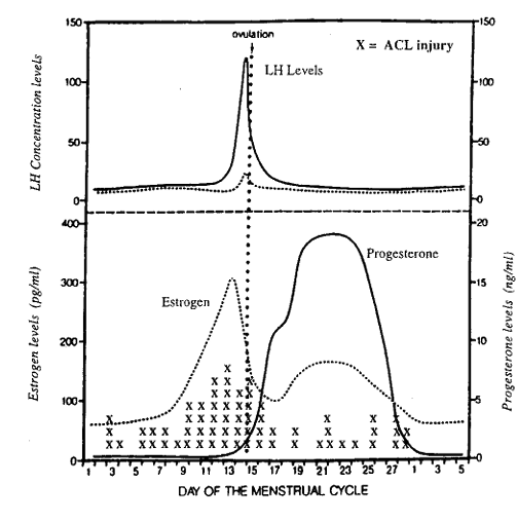
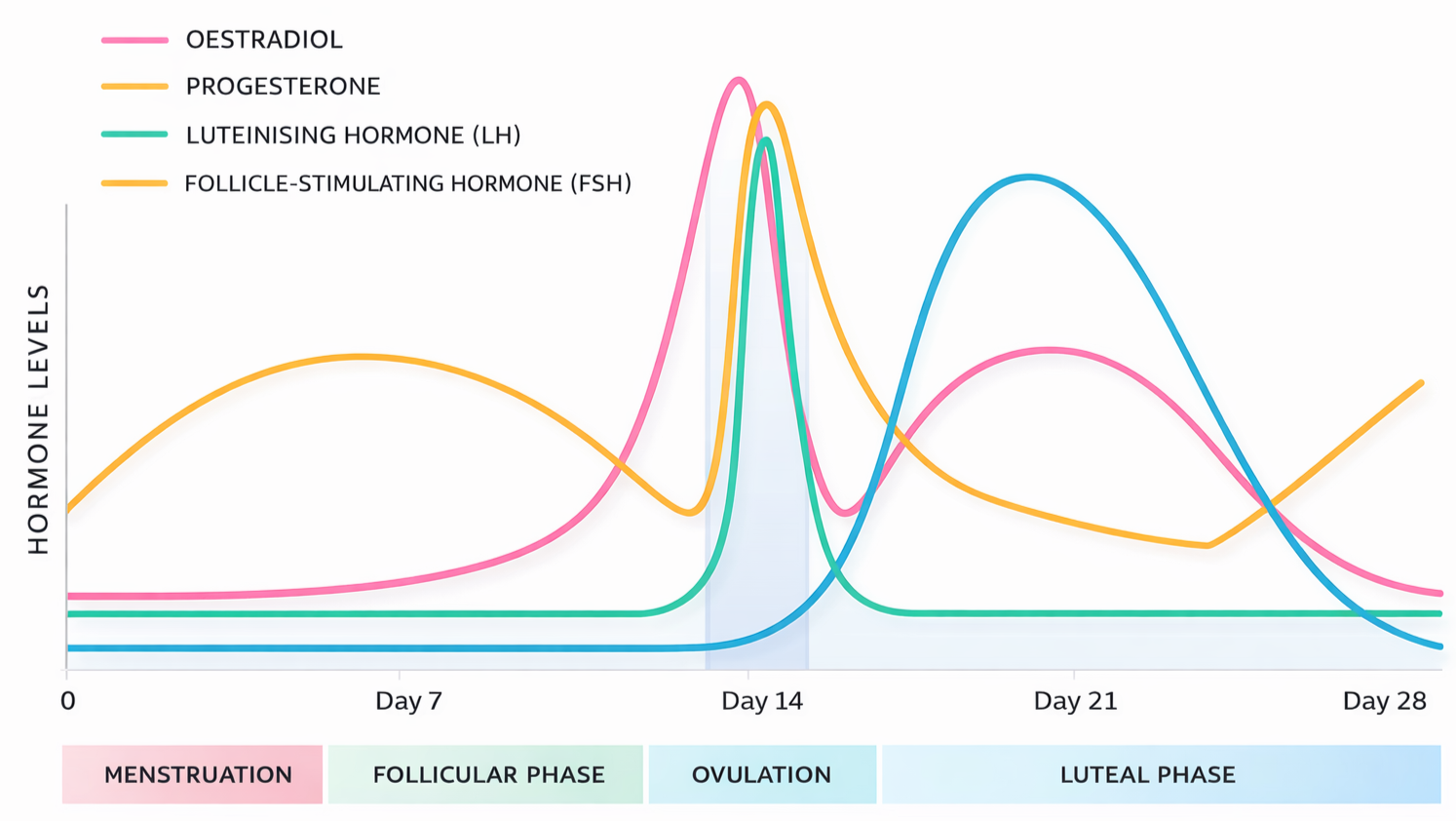
The menstrual cycle consists of three phases, each characterized by fluctuations in key hormones including estrogen, progesterone, and luteinizing hormone (Wojtys et al. 2002).

  • Follicular phase: approximately 9 days

  • Ovulatory phase: approximately 5 days, marked by peaks in estrogen and luteinizing hormone

  • Luteal phase: approximately 14 to 15 days, with elevated progesterone

Research in this area remains mixed. However, several studies have reported a higher incidence of ACL injuries during the ovulatory phase compared to other phases (Wojtys et al. 2002; Herzberg et al. 2017).

Wojtys et al. (2002) demonstrated a higher number of ACL injuries, marked as X on the figure above, in a group of young female athletes during the ovulatory phase. The mechanisms behind this relationship are varied and often disputed. At the neurological level, Kumar et al. (2013) demonstrated reduced reaction time to visual and auditory stimulus between the follicular and luteal phases.

From a structural perspective, the ACL contains estrogen receptors, and cell culture research has demonstrated that estrogen can influence the ligament’s collagen composition. It is proposed that this may increase knee joint laxity. Maruyama et al. (2021) examined knee laxity across the menstrual cycle and found increased anterior knee laxity during the ovulatory phase.

However, this difference was only observed when participants were grouped into those with genu recurvatum and those without it, meaning athletes whose knees hyperextend 10 degrees or more versus those who do not. This adds another layer of complexity, as it suggests that biomechanical factors such as hyperextension may interact with hormonal factors such as higher estrogen levels rather than acting independently.

Relaxin is another important peptide hormone that has been specifically linked to injury risk in female athletes. It appears to work synergistically with estrogen, contributing to changes in ligament laxity (Berger et al. 2023; Parker et al. 2024).

Relaxin exerts its effects in two key ways:

  • increases type 1 collagen degradation

  • suppresses collagen synthesis

Given that ligaments are composed of approximately 40 to 50 percent type 1 collagen, this provides a plausible mechanism by which relaxin may influence ACL integrity. Alterations in the collagen structure of the ligament are one proposed explanation for increased laxity and injury risk.

Parker et al. (2024) also highlight a practical consideration. Relaxin levels tend to peak around days 21 to 24 of the menstrual cycle. In a coaching setting, this may present as an athlete reporting unexplained musculoskeletal discomfort around the knee without a clear training-related cause. This is not something to overreact to, but it can serve as a useful opportunity for education, monitoring, or short-term modification of training.

Across the cycle, these hormonal fluctuations may contribute to changes in reaction time, ligament laxity, and available joint range of motion. While some research has explored the use of oral contraceptives to regulate these hormonal variations and potentially reduce ACL injury risk (Herzberg et al. 2017), the quality of evidence remains low and is often confounded by multiple variables.

More importantly, as Parker et al. (2024) point out, oral contraceptives are not without trade-offs. While they may influence hormones such as relaxin and estrogen, there are more accessible and lower-risk interventions available. For most young female athletes, this is not where the focus should be.

Which leads into the next major factor: strength and neuromuscular training.


Strength and Neuromuscular Training

As female participation in sport has increased over the past few decades, there has been a corresponding increase in injury rates. At the same time, training age and exposure to structured strength and conditioning within a gym setting has generally lagged behind that of male athletes.

Well-rounded strength and conditioning is not only a tool to support and improve performance in sport. It can have a profound effect on robustness and coordinative qualities, helping to mitigate injury risk.

For a deeper look at how strength training should be structured for younger athletes, see: Building a Strong Foundation: The Crucial Role of Youth Strength and Conditioning

In young female athletes, several characteristics have been associated with increased ACL injury risk (Collings et al. 2022):

  • lower strength ratios between hip adductors and abductors

  • reduced trunk control

  • higher countermovement peak force values

This highlights the importance of a complete strength and conditioning plan. As young athletes improve jumping ability and increase power output, the risk of ACL injury and other issues such as patellofemoral pain may also increase (Myer et al. 2015; Collings et al. 2022).

Training for these athletes must address several components:

  • maximal strength and power

  • jumping and landing mechanics and technique

  • strength capacity

  • energy system development

Sugimoto et al. (2016) demonstrated that neuromuscular programs that include a combination of strength training, jumping, trunk control, and coordination significantly reduce ACL injury risk in young female athletes.

Practical Exercise Examples

Below are five exercises that cover several key qualities related to performance and injury mitigation:

Adjusting variables such as volume, intensity, range of motion, and frequency can make exercises like these highly effective across a range of sports and athlete levels.


Adherence, Enjoyment, and the Training Environment

Several factors can impact adherence in young female athletes:

  • time

  • enjoyment

  • coaching expertise

  • equipment access

Research suggests that even two 30-minute sessions per week in-season can meaningfully reduce ACL injury risk, provided a more comprehensive program is completed in the off-season (Sugimoto et al. 2016).

Enjoyment and coaching quality are closely linked. Engagement in the gym setting can be a challenge, particularly for younger athletes. Incorporating competition, variability, and game-based elements can improve buy-in and training consistency.

Reaction, Coordination, and Game-Based Training

The following examples can be used to improve reaction time, coordination, and strength:

These drills can be implemented in pairs, relay formats, or with sport-specific variations. They also expose athletes to a broader range of movement patterns.

This ties closely into long-term athlete development principles, which are outlined further here:
Build the Athlete First: Why Youth Athletes Need Physical Literacy Before Sport Specialization

An additional benefit of implementing games with different constraints and equipment is the development of energy systems and exposure to a wider range of motor patterns. The importance of this is two-fold.

  1. Fatigue has been shown to impact landing control and hip-to-ankle force dissipation in female athletes (Mancino et al. 2024). Improving overall capacity can enhance an athlete’s ability to maintain reaction time and landing mechanics over longer periods.

  2. Game and exercise constraints can also help offset the repetitive, high-volume actions seen in many sports. This becomes even more relevant in athletes who specialize early in a single sport.

Luo et al. (2025) found that early sport specialization increases injury risk, reduces long-term performance, and negatively impacts psychological outcomes. With a creative and experienced coach, the gym setting can serve as a valuable environment to address these gaps.

That said, even with a well-informed and diligent athlete who engages in strength training and participates in multiple sports, ACL injuries can still occur.


Surgical Route and Graft Selection

When a discussion has been made and surgery is deemed the best option, the next decision is graft selection. The importance of this choice lies in the fact that it is one of the few modifiable factors (Duchman et al. 2017). For the young female athlete, variables such as sex, age, and sporting demands cannot be changed.

The main graft options include:

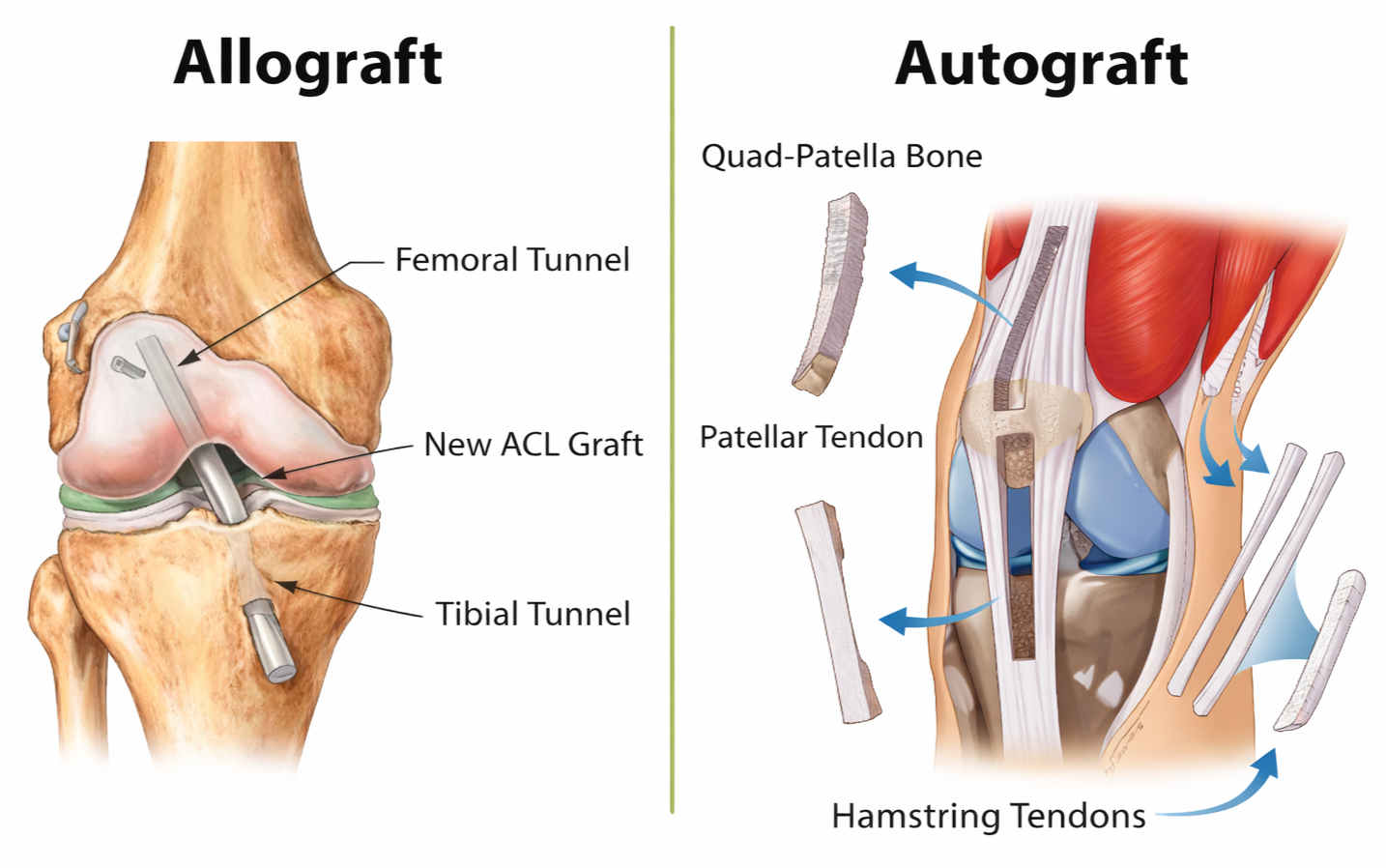
  • Autograft: tissue harvested from the athlete’s own body. Common options include hamstring tendon (HT), bone-patellar tendon-bone (BPTB), and quadriceps tendon (QT)

  • Allograft: donor tissue. Options can include tibialis anterior, Achilles tendon, hamstring, or patellar grafts (Duchman et al. 2017)

Pinheiro et al. (2022) conducted a large analysis in female athletes and found that bone-patellar tendon-bone grafts had a lower incidence of graft failure compared to hamstring grafts. This becomes more nuanced when age is considered.

Mancino et al. (2024) reported that BPTB grafts had lower re-rupture rates in females aged 15 to 20 compared to hamstring autografts. However, in athletes aged 21 and older, outcomes between BPTB and hamstring grafts were similar.

Graft revision risk is also an important consideration. Pinheiro et al. (2022) found that revision rates were 1.8 times higher in hamstring grafts compared to BPTB, increasing to 2.8 times in females under 18. This is particularly relevant, as revision surgeries tend to produce poorer outcomes compared to primary ACL reconstruction (Meena et al. 2024).

More recent evidence suggests that quadriceps tendon grafts produce comparable outcomes in terms of knee stability, functional performance, and re-tear risk (Meena et al. 2024).

Previous injury history should also influence graft selection. Lazarides et al. (2018) reported that a history of moderate to severe patellar tendinopathy was associated with increased graft failure when using BPTB grafts.

Similarly, hamstring autografts may contribute to post-surgical return-to-sport challenges (Bouzekraoui Alaoui et al. 2025), including:

  • persistent strength deficits compared to the uninvolved side

  • reduced maximum effective angle, a proxy for hamstring function and potential injury risk

In athletes with a history of recurrent hamstring strains or existing strength deficits, harvesting a hamstring graft from the involved side should be carefully considered. This may further complicate the already challenging process of restoring hamstring strength and function during rehabilitation.


Additional Surgical Consideration: LET

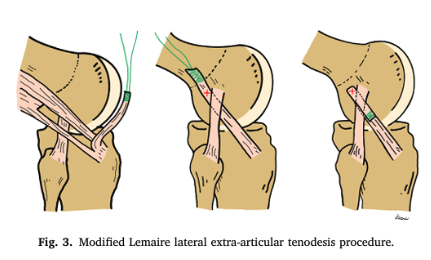
Another surgical consideration is the lateral extra-articular tenodesis (LET), which may provide additional protection against re-injury. Recent research has identified specific factors where LET can help reduce risk and may be used as an added layer of structural support (Meena et al. 2024).

These factors include:

  • increased general knee ligament laxity

  • high tibial slope and increased knee hyperextension

  • return to high-demand sport

  • younger age

These considerations are particularly relevant for the young female athlete. As discussed throughout this article, hormonal influences on ligament laxity, along with structural characteristics such as knee hyperextension, are commonly observed in this population.

Using appropriate graft selection alongside LET where indicated provides an additional layer of structural support and may improve long-term outcomes in higher-risk athletes.

Summary

There is a complex interplay between hormonal, structural, and neuromuscular factors that may increase ACL injury risk in young female athletes. While many aspects of the research still require further clarity, it is clear that both modifiable and non-modifiable factors are at play.

There are several practical approaches that can help mitigate risk while also improving performance. As participation in female sport continues to grow, appropriate exposure to education, training, and support systems is no longer optional. It is essential.

Actionable Takeaways

  • Pre-season screening and strength testing, alongside ongoing in-season monitoring, can help identify and manage risk

  • Strength and neuromuscular training should be prioritized, including development of landing mechanics and force absorption

  • Coaches can use warm-ups and training creatively to expose athletes to a wider range of movement patterns, which can improve engagement and reduce repetitive strain

  • Avoiding early sport specialization where possible can support long-term performance and reduce injury risk

  • Graft selection should consider individual factors such as age and injury history, with input from both the physio and orthopaedic surgeon

  • Discussing additional surgical options, such as LET where appropriate, may improve outcomes in higher-risk athletes

  • Education for both athletes and parents is key. Increasing awareness and training age can have a meaningful impact on long-term development and injury mitigation

For athletes or parents looking for more structured support, this is where individualized assessment and programming can make a meaningful difference: Book an Initial Assessment

Are You Actually Fight Ready? What Most Fighters Get Wrong About Conditioning

Written by Evelyn Calado, MKin, CSCS, RKin

You think you’re in shape.
Until round two.

Everything feels sharp early. Your hands are fast. Your feet are light. You’re seeing openings.

Then your output drops. Your shoulders start to burn. Your breathing spikes. Now you are surviving instead of fighting.

This isn’t a lack of toughness.
It’s a conditioning problem.

More specifically, it is a fight conditioning problem that most fighters never actually address.

The Real Problem Isn’t Effort

Most fighters do not lack work ethic.

They train hard. They push themselves. They leave the gym exhausted.

The problem is they are training the wrong things at the wrong time.

A lot of fighters live in what we call the gray zone. Sessions that are not easy enough to build a real aerobic base. Not intense enough to develop true fight specific power. Just hard enough to feel tired.

And feeling tired gets mistaken for getting better.

But fatigue is not a performance metric.

Fighting is not about how tired you can get. It is about how long you can produce, recover, and repeat high intensity efforts.

Why Fighters Misjudge Their Conditioning

Gym Conditioning Is Not Fight Conditioning

You can hit pads hard, push through circuits, and still gas out in a fight or sparring.

Because fighting is not continuous effort. It is intermittent.

Short explosive bursts.
Brief recovery periods.
Repeated over multiple rounds.

All energy systems are working together, not just general effort.

If your training does not reflect that structure, your conditioning will not transfer.

No Objective Testing

Most fighters judge conditioning based on how tired they feel or how hard a session was.

That is guesswork.

Without testing, you do not know if your output is dropping round to round, if your recovery is improving, or where your actual limitation is.

Without testing, you are guessing.

Over Reliance on Fatigue

A hard session feels productive.

But you can get better at tolerating fatigue without improving the systems that actually drive performance.

That is why some fighters look great in training but fall apart when the pace of a real fight hits.

What Actually Matters for Fight Conditioning

To perform at a high level, you need a system, not just effort.

Aerobic Base

This is your foundation.

A well developed aerobic system helps you recover between exchanges, maintain output, and sustain effort across rounds.

Repeat Power

Explosive combinations rely on your highest power output.

The key is not just producing power once. It is being able to repeat it with limited recovery.

Glycolytic Capacity

Longer exchanges and flurries are where most fighters begin to break down.

If this system is not developed, output drops and technique starts to fade.

Recovery Between Efforts

This is one of the biggest separators.

Fighters who recover faster between bursts can maintain pace and stay effective deeper into rounds.

Efficiency Under Fatigue

At a high level, conditioning is also about efficiency.

Can you stay relaxed when tired?
Can you maintain technique?
Can you make good decisions under pressure?

That is what real fight readiness looks like.

Why Testing Matters

Most fighters know they get tired.

Very few know why.

Testing does not give you every answer, but it gives you a clearer picture of what is happening. Especially when it comes to fight conditioning and repeat effort performance.

It can help show how your heart rate responds to work, how your output changes over time, and how well you repeat high intensity efforts.

It gives direction to your training instead of relying on guesswork.

Where We Come In

This is part of what we look at in our performance testing at Avos Strength.

We use simple, practical tests to get a snapshot of how your conditioning is functioning and how it compares to other athletes.

It is not about labeling you as fit or unfit.

It is about giving you better information so you can train with more intent.

Try It for Yourself at the Combat Sports Farmers Market

If you are coming to the Combat Sports Farmers Market, on March 29th in North Vancouver, we will be running a simple jump test on site. The event supports a charitable initiative, making it a great opportunity to connect with the community while giving back.

This test gives you a quick look at your lower body power, which is one piece of performance across all combat sports.

We will also have a leaderboard running so you can see how you stack up.

If you enter, you will be put into a draw to win a discount on a full performance testing session.

If you are interested in a more complete look at your conditioning, you can learn more about our full testing process here.

Final Note

If you feel like you are doing everything right in training but still fading in sparring or competition, you are not alone.

Most fighters are working hard.

Very few are training with clarity.

Why You Should Focus on Building an Aerobic Base Before High-Intensity Training

Written by Evelyn Calado, MKin, CSCS, RKin


If you’re looking to improve your endurance and overall fitness, you might think that going all out with high-intensity workouts is the fastest way to get there. However, when it comes to long-term progress—especially for those training for demanding physical tests like the firefighter physical exam—building a strong aerobic base first is crucial.

What Is an Aerobic Base?

Your aerobic base refers to the foundation of your cardiovascular system’s ability to efficiently use oxygen to generate energy. This system primarily relies on oxidative phosphorylation, a process that allows your body to sustain activity over long durations with minimal fatigue. Training at the right intensities helps improve mitochondrial density, capillary growth, and fat oxidation—key factors in enhancing endurance performance.

Why High-Intensity Training Can Hinder Aerobic Development

Many people assume that intense training leads to faster results, but high-intensity conditioning can actually interfere with aerobic adaptations. Here’s why:

  1. Increased Anaerobic Dependence – When you train at high intensities, your body shifts toward anaerobic energy systems (like glycolysis), which produce energy quickly but generate metabolic byproducts like lactate. While your body can handle short bursts of anaerobic work, it’s not an efficient long-term strategy for endurance development.

  2. Recovery Demands and Fatigue – High-intensity sessions place significant stress on your muscles and central nervous system, requiring longer recovery times. If done too frequently, they can lead to excessive fatigue and overuse injuries, ultimately stalling progress.

  3. Limited Oxygen Utilization Training – Training at lower intensities allows your body to maximize oxygen delivery and utilization, leading to improvements in aerobic capacity (VO2 max), capillary density, and mitochondrial function. These adaptations are essential for sustained endurance.

  4. Interference with Adaptations – High-intensity workouts primarily target fast-twitch muscle fibers, while aerobic base training focuses on slow-twitch fibers, which are more efficient at using oxygen for fuel. Overemphasizing high-intensity work too soon can reduce the effectiveness of these adaptations.

The Right Approach: Base Building First

For the first 8-12 weeks of a structured training program, focusing on low to moderate-intensity conditioning is crucial. This means training in specific heart rate zones (usually 60-75% of max heart rate) to optimize oxygen utilization. The goal is to improve endurance while keeping fatigue and injury risk low.

Once a strong aerobic foundation is built, higher-intensity sessions can be strategically incorporated to enhance performance without compromising recovery or long-term progress.

Key Takeaways

  • Building an aerobic base improves endurance, recovery, and efficiency.

  • High-intensity training too early can lead to fatigue, increased injury risk, and limited aerobic gains.

  • A structured plan prioritizing aerobic development first leads to better long-term performance.

If you’re serious about improving your cardiovascular fitness, whether for general health or a specific goal like passing a physical test, patience and consistency with aerobic base training will set you up for success.

Want help with your training plan? Reach out, and let’s build a foundation for your success!

Strength Training For Trail Running

Trail running isn't just a sport; it's a captivating journey through rugged terrain, demanding both physical resilience and mental fortitude. As trail running gains popularity among fitness enthusiasts and adventurers, the importance of strength training in preparing for these exhilarating runs cannot be overstated. Beyond just logging miles on the trail, incorporating strength training into your regimen can be the key to unlocking your full potential as a trail runner.

The Unique Demands of Trail Running

Unlike road running, trail running presents a myriad of challenges. Trails are often uneven, with varying inclines, declines, obstacles, and surfaces. The constant changes in terrain demand exceptional balance, stability, and muscular endurance. Moreover, trail runners must navigate steep ascents and descents, requiring significant lower body strength and power to conquer challenging climbs and maintain control during treacherous descents.

Why Strength Training Matters

Strength training serves as the foundation upon which trail runners build strength, power, and efficiency.

At Avos we are a huge fan of the Trap Bar Deadlift - especially for our tall runners

Here are several reasons why strength training is indispensable for trail runners:

  1. Injury Prevention: Trail running places immense stress on the body, increasing the risk of overuse injuries and muscular imbalances. Strength training helps mitigate these risks by strengthening muscles, tendons, and ligaments, enhancing joint stability, and correcting imbalances. A well-rounded strength training program can address weak areas, reduce the likelihood of injury, and promote longevity in the sport.

  2. Enhanced Performance: Strength training enhances the body's ability to generate power, endure fatigue, and maintain proper form over long distances. Stronger muscles provide the support and propulsion necessary to tackle steep climbs, power through technical terrain, and navigate challenging descents with confidence. By improving strength and efficiency, trail runners can sustain higher speeds, conquer formidable obstacles, and excel in varying distances and difficulties.

  3. Improved Running Economy: Running economy, the measure of how efficiently a runner uses oxygen at a given pace, is crucial for endurance athletes. Strength training contributes to improved running economy by enhancing biomechanical efficiency, optimizing muscle recruitment patterns, and reducing excess energy expenditure. As a result, trail runners can cover greater distances with less effort, allowing for faster race times and improved overall performance.

  4. Mental Resilience: Trail running is as much a mental challenge as it is a physical one. Strength training cultivates mental resilience by instilling discipline, focus, and determination. Moreover, it allows individuals to have the confidence in their strength and conditioning to not have to worry as much about being injured and super fatigued. Being strong in the weight room and pushing yourself helps teach runners to embrace discomfort, overcome obstacles, and persevere in the face of adversity—essential qualities for success in trail racing.

Designing a Strength Training Program:

When writing a strength training program for trail running, it's advisable to include a variety of exercises that target key muscle groups, address weaknesses, and complement running-specific training sessions. Incorporate a diverse mix of bodyweight movements, resistance training, and plyometrics to enhance core stability, lower body strength, balance, and flexibility. Prioritize exercises like squats, lunges, deadlifts, calf raises, planks, and single-leg movements to strengthen muscles used in running and improve stability on uneven terrain. Ensure that your program progressively challenges your muscles while allowing for sufficient recovery to optimize gains in strength, endurance, and performance on the trails.

Conclusion:

In the dynamic world of trail running, strength training serves as an important tool for unlocking peak performance, preventing injuries, and mastering the challenges of rugged terrain. By integrating strength training into your training regimen, you'll not only become a stronger, more resilient runner but also embark on a transformative journey of self-discovery and exploration. So, lace up your trail shoes, hit the gym, and prepare to unleash your full potential on those trails.

In trail running, the climb is always worth it once you reach the top. Here are some clients enjoying the reward!