Health

Why Your Training Program Won’t Work Without Sleep, Nutrition, and Recovery

Why Your Training Program Won’t Work Without Sleep, Nutrition, and Recovery

Written by Evelyn Calado, MKin, CSCS, RKin

One of the hardest things for coaches to accept is this:

You can write the most detailed, individualized, evidence-informed training program possible, and it still may not work if the big rocks are not in place.

I’ve seen this over and over again throughout my coaching career.

The athlete is committed.
They show up consistently.
They follow the sets, reps, tempos, and rest periods.
They train hard.
They genuinely want results.

But outside the gym?

They’re sleeping five hours a night.
Their stress is through the roof.
They barely drink water.
Their nutrition is inconsistent.
They rely on caffeine to survive the day and supplements to try to “fix” the problem.

At some point, the body stops being able to recover.

And recovery is where adaptation actually happens.

You Don’t Get Better During Training

Training is the stimulus.

Recovery is where the body adapts.

That means if you’re constantly exhausted, under-fueled, dehydrated, stressed, or running on poor sleep, your body has a much harder time repairing tissue, building muscle, improving conditioning, regulating hormones, and recovering from the demands of training.

This is one of the reasons why two people can follow the exact same program and get completely different results.

The program matters.

But the foundation matters more.

This is also why progress in strength, muscle growth, and conditioning often takes longer than people expect. Adaptation requires recovery capacity. How Long Does It Take to See Results from Training


Sleep Is One of the Biggest Performance Enhancers We Have

This is probably the most common issue I see.

People want better energy, better recovery, improved body composition, more muscle mass, lower pain levels, and better athletic performance, but they’re sleeping poorly every single night.

If you constantly wake up throughout the night, struggle with insomnia, or spend most of your day exhausted, your recovery capacity drops significantly.

Sleep impacts:

  • Recovery from training

  • Muscle repair and growth

  • Hormonal regulation

  • Mood and mental health

  • Pain sensitivity

  • Cognitive function

  • Energy levels

  • Immune function

You cannot out-train chronic poor sleep.

And no supplement stack is going to replace it.


Recovery Is More Than Just Taking a Rest Day

A lot of people think recovery simply means taking a day off from training.

But recovery is much bigger than that.

Recovery includes:

  • Sleep quality

  • Nutrition

  • Hydration

  • Stress management

  • Recovery between training sessions

  • Nervous system regulation

  • Overall lifestyle habits

You cannot continuously add more stress to the system without giving the body the resources it needs to recover and adapt.

Sometimes the issue is not the program itself.

Sometimes the body simply has no remaining capacity to tolerate additional stress.


Stress Is Still Stress

This is another major piece people underestimate.

Your body does not separate “life stress” from “training stress.”

Heavy training is a stressor.
Long work hours are a stressor.
Financial pressure is a stressor.
Relationship issues are a stressor.
Anxiety is a stressor.

It all contributes to your total stress load.

One book I often recommend is the Why Zebras Don't Get Ulcers by Robert Sapolsky, which discusses how humans often stay stuck in a chronic fight-or-flight state.

A lot of people are constantly “on.”

Their nervous system never really gets a chance to downshift.

Then they wonder why they feel exhausted, inflamed, sore, unmotivated, or unable to recover.


Nutrition Is Not Optional

You cannot build a high-performing body without giving it the raw materials it needs.

Protein matters.
Micronutrients matter.
Overall calorie intake matters.
Hydration matters.

If most of your diet consists of highly processed foods, takeout, chips, candy, and energy drinks, your recovery, energy levels, body composition, and performance are going to suffer.

That does not mean you need to eat “perfectly.”

But your body still needs adequate nutrients and amino acids to:

  • Build and maintain muscle

  • Recover from training

  • Support connective tissue health

  • Improve body composition

  • Regulate energy levels

  • Support overall health and longevity

Supplements can support a good foundation.

They cannot replace one.

Creatine is great.
Protein powder can be helpful.
Certain supplements absolutely have value.

But supplements cannot compensate for chronic sleep deprivation, poor nutrition, dehydration, and unmanaged stress.

If you want a deeper breakdown on the supplements that actually matter most for recovery and performance, check out The Only Two Supplements Most Athletes Actually Need.


Hydration Is More Important Than People Think

This is another one that gets overlooked constantly.

The number of people I meet who drink one or two glasses of water per day is honestly surprising.

Many people function almost entirely on coffee and caffeine.

Hydration impacts:

  • Performance

  • Recovery

  • Energy

  • Cognition

  • Joint comfort

  • Muscle function

  • Cardiovascular function

Even mild dehydration can negatively affect how you feel and perform.


Coaches Cannot Do The Work For You

As coaches, we can guide you.
We can educate you.
We can build individualized programs.
We can adjust your training loads.
We can help create structure and accountability.

But we cannot sleep for you.
We cannot manage your stress for you.
We cannot hydrate for you.
We cannot make your nutritional choices for you.

If we see you twice per week in person, that’s two hours out of a 168-hour week.

The other 166 hours matter.

A lot.

This is one of the reasons why our initial assessment process focuses on more than just exercises and sets and reps. Understanding lifestyle, recovery, stress, injury history, and daily habits matters when building an individualized plan. What Actually Happens During an Initial Assessment?


The Big Rocks Come First

People often search for advanced solutions before they’ve mastered the fundamentals.

They want the perfect program.
The perfect supplement stack.
The perfect recovery gadget.
The perfect optimization strategy.

Meanwhile:

  • They sleep poorly

  • They are chronically stressed

  • They barely eat protein

  • They drink almost no water

  • They recover inconsistently

The basics are not boring.

The basics are foundational.

And honestly, these “big rocks” are not just important for performance or body composition goals. They are fundamental for living a healthier, more energetic, and more resilient life.

That’s one of the reasons why strength training and recovery habits become increasingly important as we age. Strength Training for Longevity: Staying Active, Capable and Competitive as You Age

Training matters.
Strength matters.
Conditioning matters.

But none of it works as well if the foundation underneath it is unstable.

Get the big rocks in place first.

Everything else works better after that.

At Avos Strength, we focus on individualized coaching that takes into account your training history, recovery capacity, lifestyle, stress levels, and long-term goals. Training is important, but sustainable progress comes from addressing the full picture.

If you’re looking for guidance with strength training, recovery, performance, or long-term health, you can learn more about our coaching and assessment services here.

Sculpting Life with Light: The Free Supplement That Improves Health and Performance

Written by Michael Crawley, BSc, BPT, CSCS

Following on from Evelyn’s previous blog post on vitamin D, I want to go deeper into the relationship between sunlight and performance, because light is more than just a source of vitamin D. It interacts with every system in the body, and when used intentionally, it can support energy, recovery, and resilience in powerful ways.

Morning and Evening Light: Nature’s Built-In Protection

Most people intuitively know that sunlight feels different early in the morning and late in the evening. That’s because these times have less UV and more infrared light, which makes them gentler on the skin.

  • Morning light prepares your skin for UV exposure later in the day

  • Evening light helps repair any UV-related damage by supporting skin recovery
    (Barolet et al. 2016)

This light exposure builds what researchers call a “solar callus”; which is your skin’s tolerance to sunlight. If you skip early and late sun throughout spring and summer, you won’t be adapted to the higher UV exposure of midsummer. Think of it like training volume: if you suddenly try to sprint a marathon without a base, your system isn’t ready.

Light and Nutrition: Feeding the Powerhouse

Nutrition matters for health, performance and recovery, but it’s your mitochondria—the energy factories in your cells—that actually convert nutrients into usable energy.

These mitochondria aren’t just passive processors. They evolved from ancient bacteria that merged with human cells, giving us a massive energy advantage in the evolutionary race (Martin & Mentel, 2010).

Here's the kicker of how it ties in with light:

  • Infrared light (especially in the morning and evening) supports mitochondrial function, enhancing energy production and reducing cellular stress (Arranz-Paraíso et al., 2023)

  • Always eating meals, indoors under artificial light or while watching a screen, may be hampering energy utilization

  • Obviously it is not always possible to eat outside or match the rhythm of the seasons and days. But, if you have the chance to eat breakfast outside or catch the sunrise with your morning coffee, take it. It is certainly a choice I would encourage.  

Circadian Rhythm, Injury and Rehab

Circadian rhythm might sound technical, but it's really just your body's internal timing system. Every organ in your body, including your muscles, liver, kidneys, and tendons, has its own internal clock. These clocks help control when key processes like energy production, waste removal, and tissue repair happen.

If everything happens at once, the system falls apart. Imagine working at an airport where every flight tries to take off and land at the same time. That’s what happens in the body when your circadian rhythm is off.

Your body’s master clock (called the suprachiasmatic nucleus) is located just behind your eyes. It keeps all the other cellular clocks running in sync, and it’s set primarily by light, both through your eyes and your skin.

Why It Matters for Injuries

If you're dealing with something like tendinopathy (whether Achilles, patellar, or otherwise), improving your circadian rhythm can help improve your rehab outcomes.

Recent research by Møbjerg et al. (2025) highlights how timing impacts tendon healing and adaptation. Scheduling rehab in the morning or aligning your recovery routine with your body’s natural rhythm can make a meaningful difference.

Cartilage health may also benefit. A 2023 review by Rogers and Meng suggests that long-term outcomes in osteoarthritis and cartilage degeneration could be improved by supporting your circadian health and light environment.

Over time, this is where the airport analogy can occur in the body. The master clock losing control over other body cell clocks.

When Modern Life Gets in the Way

This is where excessive technology at night can create problems. High colour temperature lighting and excessive blue light exposure in the evening can trick the master clock into thinking it is earlier in the day than it actually is.

This exposure mainly comes from phones, laptops, tablets, and modern LED lighting. Over time, this constant signal disruption interferes with the body’s natural timing, making it harder to regulate sleep, recovery, and tissue repair.

Over time, this misalignment disrupts your body's internal timing, which can throw off recovery, sleep, and performance. The result is internal chaos (like our crowded airport) where energy production, healing, and cellular turnover all fall out of sync.

If you're serious about performance or injury rehab, it’s not just about what you do in the gym. It’s also about when and how your body is able to recover. And light plays a bigger role than most people realize.

Easy IMplementation

  • Get outside early: Morning sunlight on your skin and eyes before technology or meals can anchor your circadian rhythm.

  • Bookend your day with light: Morning and evening light help your body adapt to stronger sun exposure and support repair.

  • Rehab with timing: Improving circadian rhythm can help rehabilitate and improve the health of tendons and cartilage.

  • Control your night environment: Use soft, warm lighting in the evening. Try candles, red-spectrum bulbs, or blue light filters (e.g., Iris for screens).

You can’t out-supplement a poor light environment. Sunlight is free, powerful, and foundational to human health; and learning to use it wisely can support everything from injury recovery to daily energy.


References

  • Barolet D, Christiaens F, Hamblin MR. Infrared and skin: Friend or foe (2016). J Photochem Photobiol B;155:78-85. doi: 10.1016/j.jphotobiol.2015.12.014.

  • Martin W, Mentel M. The Origin of Mitochondria. Nature Education 3(9):58 (2010).

  • Arranz-Paraíso D, et al. Mitochondria and light: An overview of the pathways triggered in skin and retina with incident infrared radiation. J Photochem Photobiol B: Biology (2023), 238, p. 112614. doi: 10.1016/j.jphotobiol.2022.112614.

  • Møbjerg A, et al. Role of the tendon circadian clock in tendinopathy and implications for therapeutics. Int J Exp Pathol. 106(3), 2025.

  • Rogers N, Meng QJ. Tick tock, the cartilage clock. Osteoarthritis and Cartilage 31(11), 1425-1436 (2023). doi: 10.1016/j.joca.2023.05.010.

Vitamin D in Vancouver: What You Need to Know About Deficiency, Sunlight, and Supplementation

Written by Evelyn Calado, MKin, CSCS, RKin

Living in Vancouver means dealing with long, dark winters and very little direct sunlight. Because vitamin D is made in the skin through UVB exposure, people living at northern latitudes are at a much higher risk of vitamin D deficiency. Even active people who train regularly or spend time outdoors often assume they are getting enough, but research shows that vitamin D levels are commonly low in Canada (and globally too). For athletes, lifters, and anyone trying to support their health, recovery, and immune system, understanding how vitamin D works can make a meaningful difference.

What Vitamin D Actually Does

Vitamin D is often associated with bone health; and yes, it helps the body absorb calcium. But that’s just one of its many jobs.

Vitamin D is technically a fat-soluble hormone, and it interacts with receptors throughout the body. It plays a key role in:

  • Immune function

  • Inflammation regulation

  • Muscle strength and recovery

  • Mood and cognitive health

  • Bone remodeling and density

Vitamin D receptors are found in immune cells, muscle cells, and even in the brain. So when you’re low, it doesn’t just affect your bones; it can impact recovery, training capacity, and even your ability to fight off colds or feel mentally sharp.

Most People Are Deficient and Don’t Know It

Multiple studies have shown that a large percentage of the population is vitamin D deficient, especially in northern latitudes.

If you live in Vancouver or anywhere else north of the 49th parallel, the odds are stacked against you. From October to April, we don’t get enough UVB rays from the sun for the body to produce vitamin D naturally. Even in summer, many people are indoors most of the day. And here’s something most people don’t realize: Wearing sunscreen blocks UVB rays, which are required for vitamin D synthesis.

To be clear, I am not telling anyone to skip sunscreen entirely or to intentionally burn themselves. Be smart. But understand that even if you go outside, if you’re wearing sunscreen, your body may still not be making enough vitamin D.

Vitamin D Recommendations for Athletes and Active Adults

In Canada, the current Recommended Dietary Allowance for vitamin D is:

  • 600 IU per day for individuals aged 9 to 70

  • 800 IU per day for adults over 70

These recommendations, established by Health Canada and the Institute of Medicine (Ross et al., 2010), are designed to prevent deficiency and maintain bone health. They aim to keep serum 25(OH)D above 50 nmol per L, which is considered the minimum threshold for sufficiency in the general population.

However, this RDA was created exclusively around bone-related outcomes, not broader health, immune, or performance considerations. Because of this, many vitamin D researchers argue that these intake levels are too low for individuals seeking optimal health or performance, including athletes (Heaney and Holick, 2011; Holick et al., 2011; Cannell et al., 2009).

Higher Intake Recommendations for Those With Limited Sun Exposure

The Endocrine Society provides a more practical guideline for people who do not obtain regular sun exposure, recommending:

  • 1,500 to 2,000 IU per day of vitamin D3 (Holick et al., 2011)

This aligns closely with what I was taught in my graduate sport nutrition coursework.
Around 2,000 IU per day from autumn through spring can help maintain sufficient levels.

In some cases, individuals may still require additional supplementation in summer depending on lifestyle, skin pigmentation, indoor training, and geographic location.

Vitamin D Toxicity: Extremely Rare

Vitamin D toxicity is very uncommon and typically results from accidental consumption of extremely high supplemental doses due to manufacturing errors (Cannell et al., 2008; Holick, 2007).

Key safety points:

  • Ten thousand IU per day for up to five months has not been shown to cause toxicity in research (Holick, 2007)

  • Sunlight cannot cause vitamin D toxicity because the body naturally limits how much vitamin D it produces

My Experience with High-Dose Supplementation

For the past four years, I have personally taken ten thousand IU per day of vitamin D3. I recently paid for a private vitamin D blood test through LifeLabs. Despite consistently taking what is considered a high dose, my bloodwork showed I was only in the middle of the normal reference range.

This is not a prescription or suggestion that others should follow my exact protocol. It is simply to illustrate that if someone supplementing aggressively is barely hitting mid-range values, many others may be even lower than they realize.

When and How to Take Vitamin D

  • Take vitamin D with a meal that contains fat to enhance absorption

  • Always pair it with vitamin K2, to ensure proper calcium utilization and reduce any risk of calcification in the arteries

  • Ideally take it earlier in the day as vitamin D may influence circadian rhythms and melatonin production

Who Should Supplement

If you live in Canada, especially Vancouver or anywhere with long winters, the odds are high that your vitamin D levels are not optimal. Athletes, in particular, benefit from maintaining sufficient levels for:

  • Bone health and density

  • Immune support during periods of high training stress

  • Recovery and muscle repair

  • Mood and mental focus

Even if you are not experiencing symptoms, a blood test is the only way to know for sure. Ask your doctor or healthcare provider for a requisition. In BC, you can also request private testing through LifeLabs.

If you want support building a training plan the improves recovery, strength, and overall health, you can learn more about our services.

Key Takeaways

  • Vitamin D is essential for health, performance, and recovery

  • Most Canadians are low due to latitude, climate, and indoor living

  • Sunscreen blocks UVB rays needed to produce vitamin D

  • Six hundred to eight hundred IU per day may not be enough, especially for athletes

  • Vitamin D3 should be taken with fat and paired with K2

  • Blood testing is the only way to confirm your status

  • Always consult with a healthcare professional before making changes to your supplement routine

Bottom Line: Everyone Should At Least Consider It

In my opinion, almost everyone in Vancouver should be supplementing with vitamin D, especially through the fall and winter. It supports immunity, recovery, mood, and bone health. Unless you’re getting regular blood work, you probably don’t know if you are low.

For athletes and lifters, it is a low-cost, high-reward investment in your long-term health and performance.

Disclaimer

This post is intended for educational purposes only. I am a strength and conditioning coach, not a medical professional. Please consult your doctor or a registered healthcare provider before beginning any supplement protocol.

References

Cannell, J. J., Hollis, B. W., Sorenson, M. B., Taft, T. N., and Anderson, J. J. (2009).
Athletic performance and vitamin D.
Medicine and Science in Sports and Exercise, 41, 1102 to 1110.

Cannell, J. J., Hollis, B. W., Zasloff, M., and Heaney, R. P. (2008).
Diagnosis and treatment of vitamin D deficiency.
Expert Opinion on Pharmacotherapy, 9, 107 to 118.

Heaney, R. P., and Holick, M. F. (2011).
Why the IOM recommendations for vitamin D are deficient.
Journal of Bone and Mineral Research, 26, 455 to 457.

Holick, M. F. (2007).
Vitamin D deficiency.
New England Journal of Medicine, 357, 266 to 281.

Holick, M. F., Binkley, N. C., Bischoff-Ferrari, H. A., Gordon, C. M., Hanley, D. A., Heaney, R. P., Murad, M. H., and Weaver, C. M. (2011).
Evaluation, treatment, and prevention of vitamin D deficiency.
Journal of Clinical Endocrinology and Metabolism.

Ross, A. C., Taylor, C. L., Yaktine, A. L., and Del Valle, H. B. (2010).
Dietary Reference Intakes for Calcium and Vitamin D.
National Academies Press.

Strength Training for Longevity: Staying Active, Capable, and Competitive as You Age

Written by Evelyn Calado, MKin, CSCS, RKin


For most people, aging means slowing down, getting injured more often, and gradually stepping away from the sports or activities they once loved.
But it doesn’t have to be that way.

At Avos Strength, one of our core goals is helping people stay active and strong enough to keep doing what they love. Whether that’s playing hockey, hiking, running around with grandkids, or competing in tennis well into their seventies.

Longevity isn't just about living longer. It's about being able to play longer.

Strength Training Is the Foundation

The research is clear: strength training is one of the most powerful tools for healthy aging.

The Canadian Physical Activity Guidelines recommend that adults engage in strength training at least two times per week. Not just walking. Not just stretching. Strength work.

Why?

Because as we age, we naturally lose:
• Muscle mass (sarcopenia)
• Bone density (osteopenia)
• Balance and coordination
• Speed and power

None of that is inevitable if you stay consistent and take action early.

Strength training helps maintain lean mass, reinforce bone density, improve joint integrity, and significantly reduce the risk of falls, fractures, and injuries. It improves your ability to move, lift, rotate, decelerate, and react. These skills matter whether you’re skiing or just stepping down a curb.

Our Clients Are Proof

We work with clients in their sixties, seventies, and beyond who are still playing high-level sports. Hockey. Tennis. Pickleball. Soccer.

They’re not outliers because of genetics. They’re still going because they’ve trained consistently for years. They’ve built capacity and resilience. And now they’re seeing all their peers slow down, drop off, or get injured while they’re still showing up and performing.

That’s not luck. That’s training age, smart coaching, and commitment.

It's Never Too Late to Start

You don’t need to start in your thirties or forties to benefit from strength training.

We’ve seen people start in their sixties and still build muscle, improve balance, regain confidence, and feel better than they have in years.

The science backs this up. You still have the ability to increase strength, coordination, and motor control at any age. What matters is that you start now and do it with support and structure.

The Right Attitude Is Just as Important

Training isn’t just physical. It’s mental. And the attitude you bring into the gym matters just as much as the exercises you do.

We don’t work with clients who say things like:
"I can’t do that."
"I’m too old."
"That’s not for someone like me."

Because the more you say you can’t, the more you won’t.

You still have the ability to wire new movement patterns, build new neural pathways, and develop new skills. Research shows that your brain and body are capable of adapting well into later life. You just have to give them the opportunity.

We will always coach you safely and program with purpose. But you need to be willing to try.

The clients who see long-term success are the ones who stay curious, open, and engaged. They say yes more than they say no. That mindset carries them forward.

This Is a Lifestyle, Not a 3-Month Fix

At Avos Strength, we don’t believe in quick fixes or short-term programs. This isn’t a three-month transformation. This is long-term development.

Strength training is not just about lifting weights. It’s about:
• Building confidence in your body
• Staying resilient against injury
• Learning skills that stay with you
• Creating structure in your week
• Building meaningful relationships with coaches and teammates who support you

Our clients train with us because they want to live well and play hard for as long as possible. And they enjoy the process along the way.

The Bottom Line

Strength training is one of the best investments you can make for your future self.

Whether you're trying to stay in the game, reduce your injury risk, or simply move better and feel stronger, it’s never too late to start. What matters is that you stay consistent, train with intention, and surround yourself with people who care about your long-term success.

Train. Play. Repeat.

If you're ready to build a strong, capable version of yourself, we’re here for that.
Book a session with Avos Strength and let’s get started.

The Science of Sleep: How to Optimize Recovery and Performance

Written by Evelyn Calado, MKin, CSCS, RKin


Sleep is one of the most critical, yet often overlooked, components of overall health and athletic performance. High-quality sleep is essential for physical recovery, cognitive function, and long-term well-being. Whether you're an athlete striving for peak performance or someone simply looking to improve daily function, optimizing sleep should be a top priority.

How many hours should you sleep a night?

Research generally suggests that most adults should aim for 7 to 9 hours of sleep per night to maintain overall health, with individual needs varying based on factors like age, lifestyle, and genetics. For athletes, the recommendations can differ slightly due to the physical demands placed on their bodies.

  • General population:

    • Adults: 7–9 hours per night

    • Teens: 8–10 hours per night

    • Children: 9–11 hours per night

  • Athletes:
    Athletes often require more sleep for recovery, muscle repair, and optimal performance, with some research suggesting that 8–10 hours per night may be ideal, especially for those who train intensely or frequently

The Importance of Sleep for Health and Performance

Physical Recovery and Performance

Sleep is when the body undergoes the majority of its repair and recovery processes. During deep sleep (slow-wave sleep), the body increases the release of human growth hormone (HGH), which is crucial for muscle repair, bone growth, and tissue regeneration (Leeder et al., 2012). Additionally, inadequate sleep can lead to decreased glycogen storage, reduced muscle protein synthesis, and impaired immune function, all of which can negatively impact athletic performance (Halson, 2014).

For athletes, studies have shown that sleep deprivation leads to reduced reaction time, impaired motor function, decreased endurance, and an increased risk of injury (Fullagar et al., 2015). A study on basketball players found that increasing sleep duration improved sprint times, shooting accuracy, and overall performance (Mah et al., 2011).

Cognitive Function and Decision-Making

Cognitive function is just as critical as physical performance, especially in sports that require strategic thinking, quick reactions, and split-second decision-making. Poor sleep has been linked to impaired memory, decreased attention span, and slower reaction times (Walker, 2017). For athletes, this means a diminished ability to anticipate plays, make precise movements, and adapt to in-game situations.

Hormonal Balance and Mental Health

Sleep plays a vital role in regulating hormones, including cortisol (the stress hormone) and testosterone. Sleep deprivation increases cortisol levels, which can lead to elevated stress, impaired recovery, and increased fat storage (Samuels, 2008). At the same time, sleep is necessary for optimal testosterone production, which is important for muscle growth, strength, and recovery.

Additionally, inadequate sleep is linked to mood disturbances, increased risk of depression and anxiety, and overall reduced well-being. A well-rested athlete is not only physically prepared but also mentally sharper and more resilient.


How to Optimize Sleep for Better Recovery and Performance

1. Maintain a Consistent Sleep Schedule

Going to bed and waking up at the same time every day helps regulate your body’s internal clock (circadian rhythm), leading to better sleep quality. Inconsistent sleep patterns can disrupt recovery and performance (Dijk & Archer, 2009).

2. Create an Ideal Sleep Environment

  • Keep it Cool: The optimal room temperature for sleep is between 16-19°C (60-67°F). I personally take this to the next level by opening all bedroom windows before bed to maximize cool airflow

  • Eliminate Light: Darkness signals the brain to produce melatonin, a hormone that promotes sleep. Use blackout curtains or an eye mask

  • Reduce Noise: White noise machines or earplugs can help block disruptive sounds. I sleep with an air purifier on, which not only improves air quality but also provides soothing background noise

  • Incorporate Plants: Snake plants are a great addition to the bedroom as they improve air quality by filtering toxins and increasing oxygen levels, which can promote better sleep

3. Minimize Screen Time and Optimize Lighting

Blue light from phones, tablets, and TVs suppresses melatonin production and interferes with sleep quality. Try to avoid screens at least 60 minutes before bedtime or use blue light filters (Chang et al., 2015).

One of my biggest nighttime game-changers has been switching all bedroom lights to red light bulbs. Red light has been shown to have minimal impact on melatonin production, making it an ideal choice for nighttime lighting. I even installed red puck lights in the bathroom to prevent harsh light exposure when brushing my teeth or washing my face at night.

A dimly lit bedroom bathed in a warm red glow from red light bulbs, creating a calming atmosphere ideal for restful sleep.

4. Prioritize a Pre-Sleep Routine

Establishing a wind-down routine can signal to your body that it’s time for rest. Consider:

  • Reading a book for 30-60 minutes before bed (this has been a game-changer for me)

  • Practicing deep breathing or meditation

  • Gentle stretching or mobility work

5. Manage Caffeine and Alcohol Intake

Caffeine has a half-life of 5-6 hours, meaning it can stay in your system for a long time. Avoid consuming caffeine at least 6 hours before bed. While alcohol might make you feel sleepy, it disrupts REM sleep and overall sleep quality (Roehrs & Roth, 2001).

6. Try Magnesium Spray for Relaxation

Another tip worth trying is applying magnesium spray to the bottoms of your feet before bed. Magnesium plays a key role in muscle relaxation, stress reduction, and sleep regulation. Some people find it helps improve sleep onset and quality, making it a great addition to your nighttime routine.

7. Use Sleep Tracking to Optimize Habits

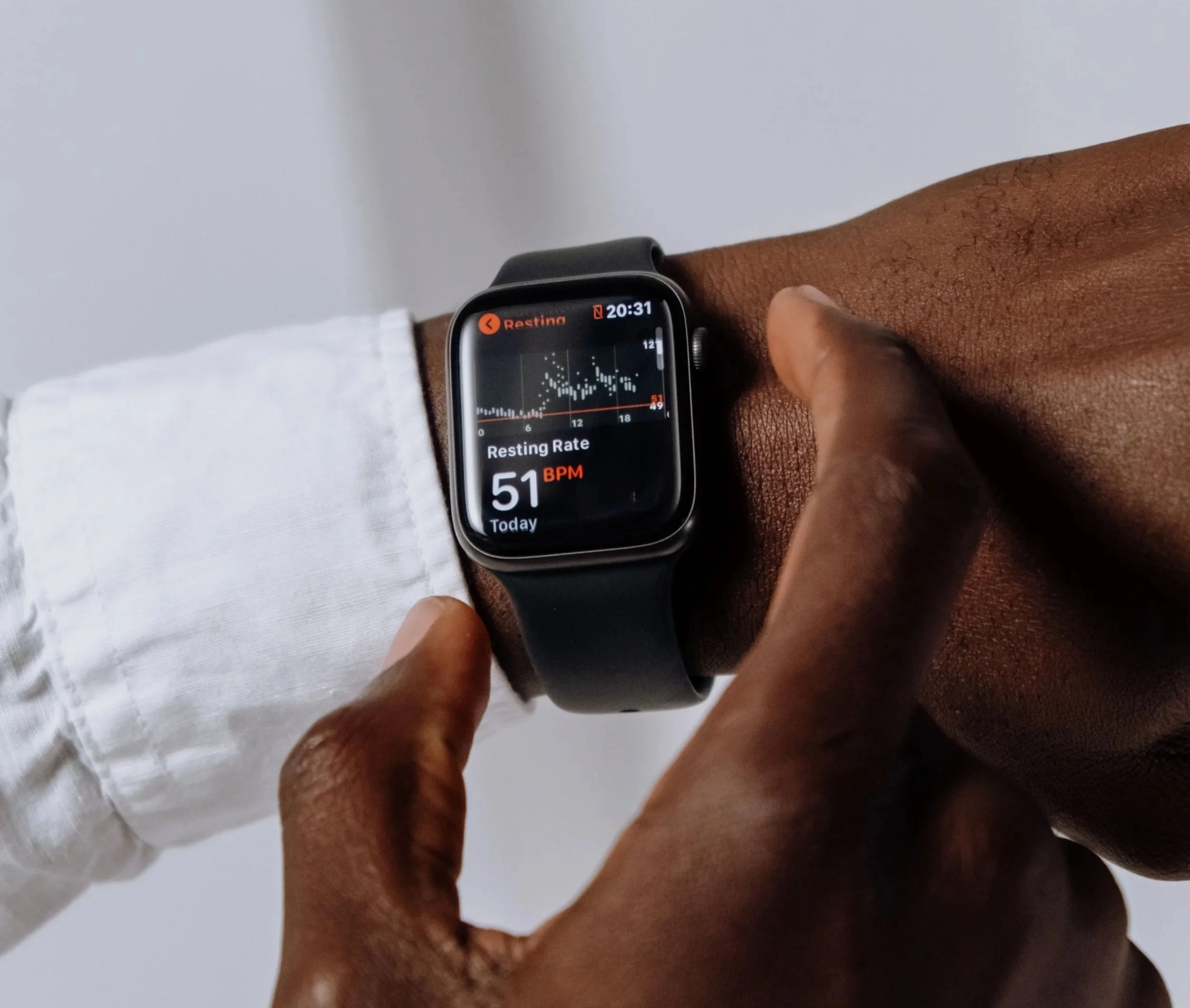
Wearable technology and sleep tracking apps can provide insights into sleep patterns and help identify areas for improvement. Tracking heart rate variability (HRV) and sleep duration can help athletes understand their recovery needs better (Walsh et al., 2021).


Final Thoughts

Sleep is a fundamental pillar of health and performance. It impacts everything from physical recovery and injury risk to cognitive function and hormonal balance. Prioritizing high-quality sleep through consistent habits, proper sleep hygiene, and lifestyle adjustments will enhance athletic performance, mental clarity, and long-term health.

Investing in better sleep isn’t just about feeling well-rested—it’s about optimizing your body’s ability to perform and recover at its highest potential. Train hard, recover smart, and sleep well.


References

  • Chang, A. M., Aeschbach, D., Duffy, J. F., & Czeisler, C. A. (2015). Evening use of light-emitting eReaders negatively affects sleep, circadian timing, and next-morning alertness. Proceedings of the National Academy of Sciences, 112(4), 1232-1237.

  • Dijk, D. J., & Archer, S. N. (2009). Circadian and sleep-dependent aspects of memory performance. Progress in Brain Research, 169, 107-135.

  • Fullagar, H. H., et al. (2015). Sleep and recovery in team sport. Int. J. Sports Physiol. Perform., 10(8), 950-957.

  • Walsh, N. P., et al. (2021). Sleep and the elite athlete. Int. J. Sports Physiol. Perform., 16(5), 572-573.

  • Walker, M. P. (2017). Why We Sleep: Unlocking the Power of Sleep and Dreams. Scribner.

The Other 99%: What Happens Outside the Gym Matters Most

We all know the value of training, but let’s zoom out and look at the bigger picture. On average, most people are awake for about 16 hours a day. Multiply that by seven days, and you’re looking at 112 waking hours in a week.

Now, consider this: if you're training with us twice a week, that's just 2 hours out of 112—1.8% of your total waking hours. Even if you’re training three times a week, that’s only 3 hours, or 2.7%. That leaves over 97% of your time spent outside the gym—the other 99%.

Why the Other 99% Matters

Training is a crucial piece of the puzzle for building strength, improving mobility, and enhancing overall health. But those 2–3 hours a week won’t lead to significant changes if the other 99% of your time isn’t aligned with your goals.

What you do outside the gym can either amplify or undermine your efforts. Here’s what to focus on:

1. Sleep Quality and Quantity

Sleep is one of the most underrated factors in health and performance. Adults need 7–9 hours of quality sleep each night for optimal recovery, energy, and mental clarity. Without it, you’re limiting your ability to recover from training and build strength.

  • Why it matters: Sleep regulates hormones like growth hormone and cortisol, which are essential for muscle repair, fat loss, and managing stress.

  • What to do: Go to bed before midnight, keep a consistent sleep schedule, and create a bedtime routine that minimizes screen time and promotes relaxation.

2. Nutrition

The fuel you put into your body is just as important as the work you do in the gym. Without proper nutrition, your energy levels, muscle repair, and overall progress can suffer.

  • Whole foods: Base your meals on nutrient-dense, unprocessed foods.

  • Protein: Aim for 0.7–1.0 grams of protein per pound of body weight daily to support muscle repair and training goals.

  • Hydration: Drink at least 2–3 liters of water a day to stay hydrated, which aids recovery and overall health.

3. Daily Movement

If you’re like most people, much of your day is spent sitting—at a desk, in the car, or on the couch. While sitting is inevitable in many cases, sitting for extended periods can take a toll on your health.

The dangers of prolonged sitting:

  • Muscle imbalances and tightness: Sitting for long periods shortens your hip flexors and hamstrings, which can lead to poor posture, lower back pain, and reduced mobility.

  • Poor circulation: Extended sitting decreases blood flow, especially in the lower body, which can increase the risk of blood clots and fatigue.

  • Metabolic slowdown: When you sit for too long, your calorie burn decreases, and insulin sensitivity can drop, increasing the risk of weight gain and metabolic issues.

  • Spinal health issues: Constant sitting puts pressure on your lumbar spine, potentially leading to disc degeneration or discomfort.

  • Impact on longevity: Research links prolonged sedentary behavior with a higher risk of chronic diseases like heart disease, diabetes, and even early death.

What to do about it:

  • Move frequently: Stand, stretch, or take a short walk every 30–60 minutes.

  • Incorporate walking: Aim for 8,000–10,000 steps a day to keep your body active and combat the effects of prolonged sitting.

  • Stretch or foam roll: Address muscle tightness and improve mobility from sitting too much.

4. Stress Management

Stress is a silent progress killer. Whether it's work, family, or daily pressures, unchecked stress can lead to overtraining, disrupted sleep, and poor recovery. Managing stress is crucial for optimizing your training and overall well-being.

What to do:

  • Breathing exercises: Spend 5 minutes daily practicing deep diaphragmatic breathing to lower stress and activate your parasympathetic nervous system (the "rest and digest" mode).

  • Mindfulness practices: Activities like yoga, meditation, or even a quiet walk can help reduce stress.

  • Unplug and unwind: Limit screen time, especially before bed, and create moments in your day to disconnect and recharge.

5. Recovery

Recovery is where the magic happens. Training stresses your body, and recovery allows it to repair and grow stronger. Without proper recovery, you’re risking slower progress, burnout, and injury.

Recovery strategies:

  1. Foam Rolling: Helps release muscle tension, increase blood flow, and improve mobility.

  2. Massage: Promotes relaxation and alleviates soreness.

  3. Yoga or Stretching: Reduces muscle tightness, enhances flexibility, and encourages mindfulness.

  4. Sleep and nutrition: As mentioned earlier, these are the foundation of recovery.

6. Don’t Forget About Cardio

While strength training is foundational, many clients neglect cardiovascular exercise, which is essential for overall health and recovery.

  • Why it matters: Cardio strengthens your heart, improves circulation, enhances recovery, and reduces the risk of chronic diseases.

  • How to include it:

    • Low-intensity: Go for a brisk walk, bike ride, or swim for active recovery.

    • High-intensity: Short bursts of high-intensity intervals complement strength training and build endurance.

Putting It All Together

Your time in the gym is vital, but it’s just one part of the equation. Real, lasting results come from combining intentional training with solid habits in the other 99% of your life.

Checklist for the Other 99%:

  • Sleep 7–9 hours each night.

  • Eat balanced, protein-rich meals and drink plenty of water.

  • Move regularly, especially if you sit for long periods.

  • Manage stress through mindfulness and relaxation techniques.

  • Incorporate some form of cardio for heart health and recovery.

  • Spend time on recovery practices like foam rolling, stretching, or deep breathing.

Training is just the start. The question is, what will you do with your other 99%? Let’s work together to make all 112 hours of your week count.