Part 3: Improving Force Production and Movement From Head to Toe
Written by Michael Crawley, BSc, BPT, CSCS
This is the final post in our three-part series on force production and movement, moving from the head down to the point where we actually meet the ground: the foot and ankle.
Part 1 covered how tongue and jaw position influence force output and breathing. Part 2 covered the diaphragm's role in bracing, balance, and recovery. Here's a quick recap before we continue:
Jaw & Tongue (Part 1)
Tongue roof pressure: force production
Relaxed tongue position: improved breathing
Jaw squeeze: force production and balance
Diaphragm & Breathing (Part 2)
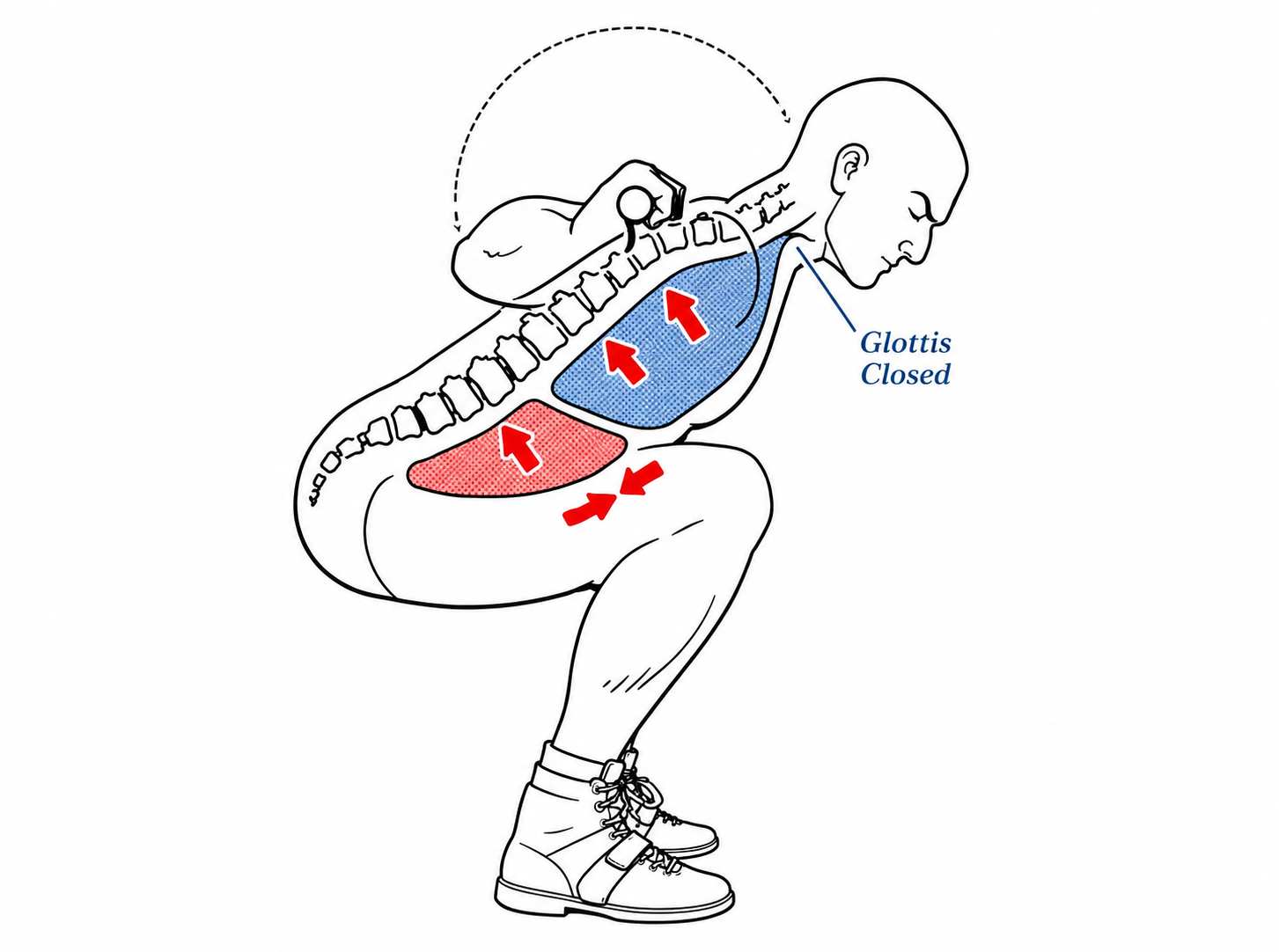
Valsalva maneuver: force production
Proprioception: balance and stability
Restoration and recovery: nervous system regulation
To set the scene for this post, a quote often attributed to Leonardo da Vinci: “The foot is a masterpiece of engineering and a work of art.”
That's a good starting point for looking at the anatomy and biomechanics of the foot and ankle, and how they play a role in everything from changing direction on a football pitch to reducing fall risk later in life.
Anatomy
The foot is made up of 28 bones, which together form 31 joints. An intricate, layered system of ligaments, muscles, tendons, and connective tissue allows this complex structure to provide power, stability, and flexibility all at once (Tourillon et al., 2024).
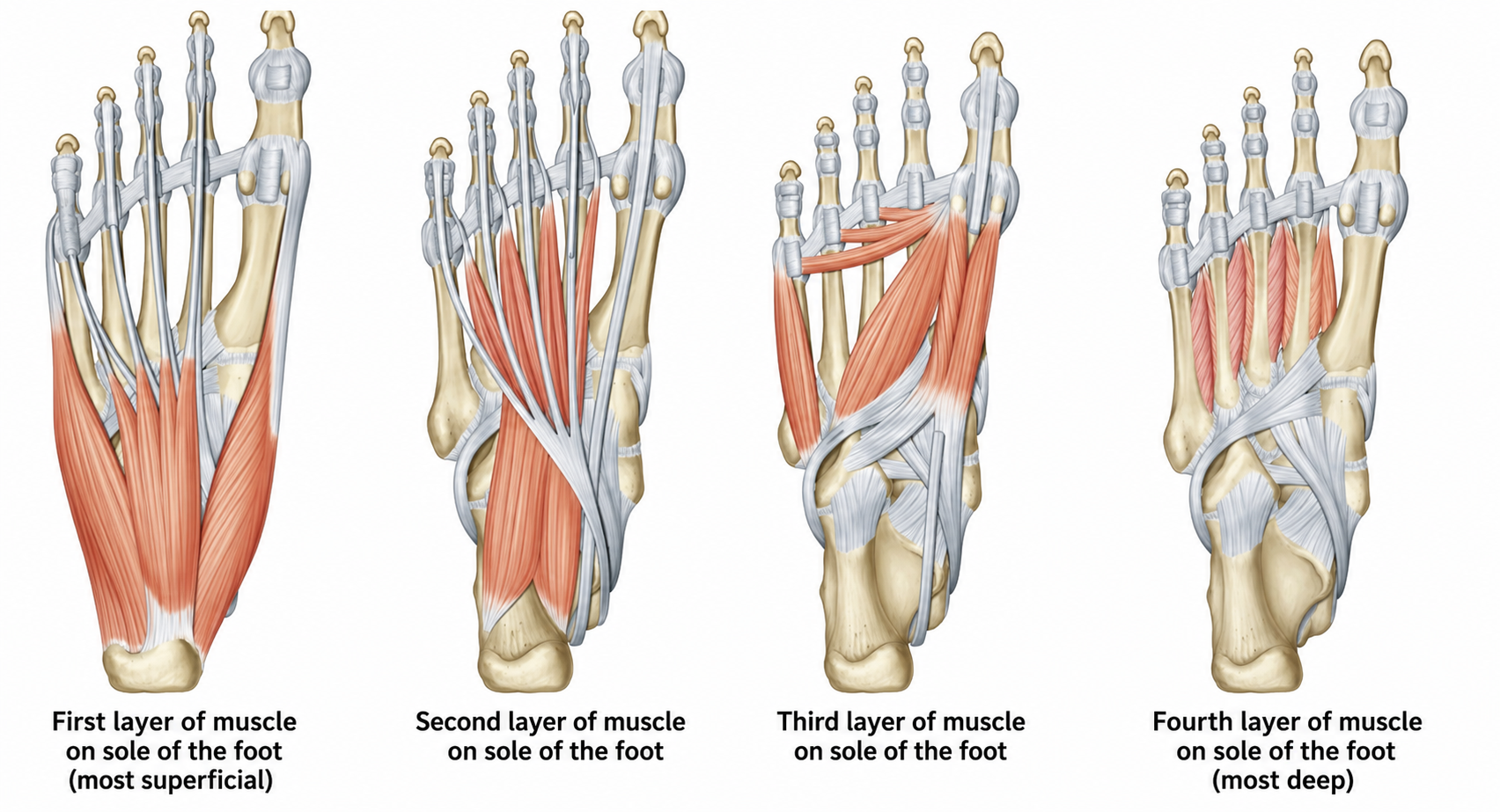
The sole of the foot has four layers of intrinsic muscles, which support the foot's strength and balance while working together with the calf muscles.
This network of tissue and bone can act in two different ways, depending on what's needed:
As a rigid lever with stiffness: more tension, with the joints locking into place for stability
As a compliant, flexible extension of the lower limb: less tension, with the joints opening up to absorb load
This yin-yang presentation resonates with aspects from part 1 & 2 of this series. The tongue supports both force production and relaxation. The diaphragm supports both bracing, to increase tension, and restoration, helping ease the nervous system out of a fight-or-flight response. The foot works the same way, shifting between rigid and compliant depending on the task.
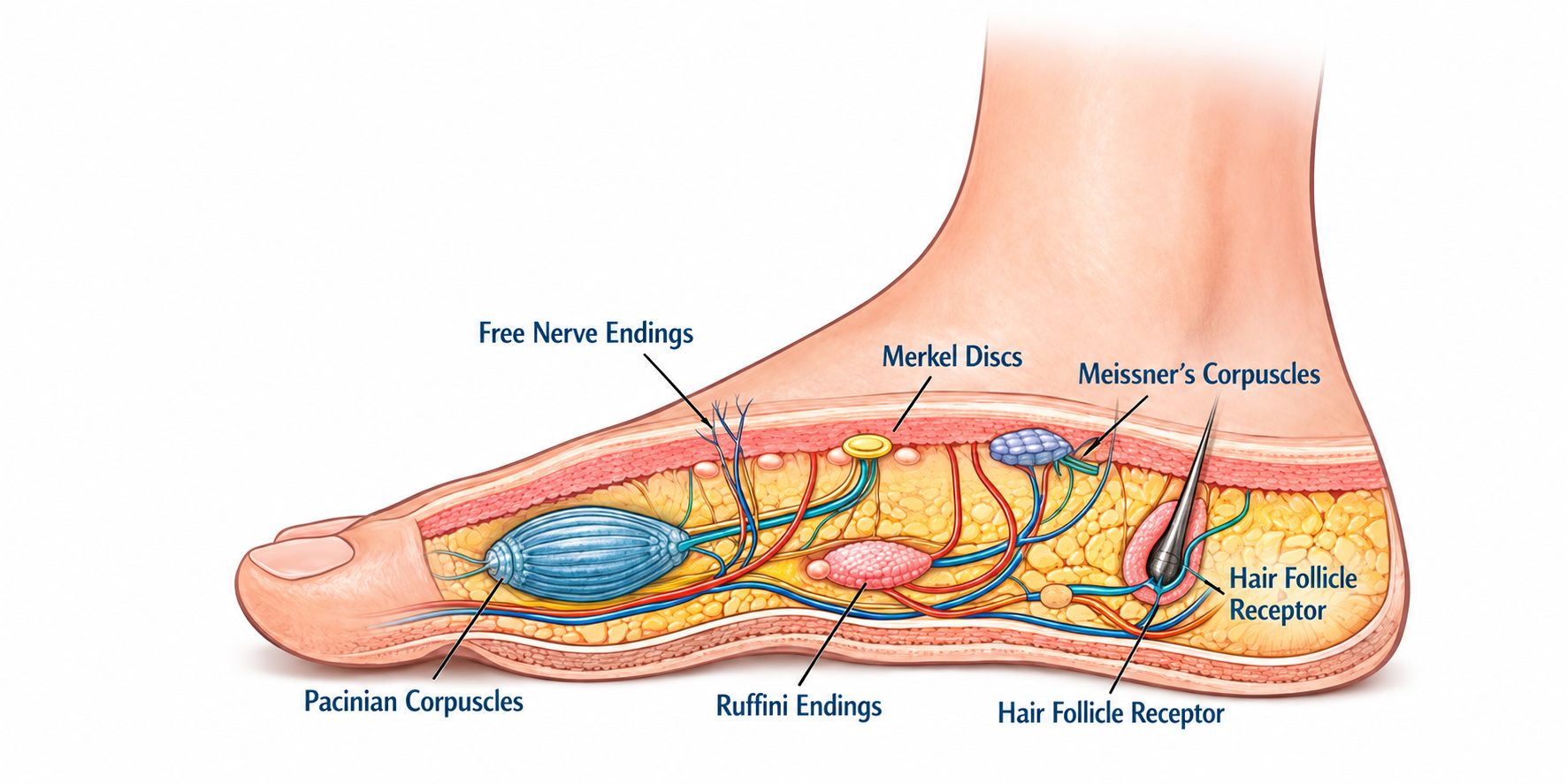
The foot is also home to an extensive network of receptors and glands (Viseux, 2020). Because it's our main point of contact with the ground, and central to balance, the foot is packed with receptors that detect pressure, pain, and temperature. While specific receptors (muscle spindles and golgi tendon organs) pick up information on extent and speed of muscle stretch.
Another interesting component specific to feet, is the extremely high density of eccrine sweat glands. From an evolutionary perspective this was to help dissipate heat but also improve control through increasing friction against a surface. This hints that we are supposed to spend time in our bare feet and tap into the innate qualities which help humans have better balance and control. (See our related post, Rethinking Barefoot Shoes, for more on this).
Biomechanics
Biomechanics can get complicated quickly, so we'll keep this simple. Several actions happen at the foot and ankle that relate directly to what's happening at the knee and above. Depending on the source, this can be broken down in more or less detail. For this post, here's what we'll work with:
Plantarflexion: the heel lifting off the ground, as in a calf raise
Dorsiflexion: the knee travelling over the foot with the heel down, as in a knee bend
Eversion: the sole of the foot turning outward, away from the midline of the body
Inversion: the sole of the foot turning inward, toward the midline of the body
Pronation: dorsiflexion and eversion combining gradually
Supination: plantarflexion and inversion combining gradually
Moving through these positions changes where pressure and sensation are felt in the foot and ankle, depending on the task or skill being performed. For a simple way to feel these actions in relation to gait, try this step-through drill.
For the next section, the key detail to remember is pronation. Pronation involves the inside arch of the foot coming down toward the ground, coupled with internal rotation at the knee and hip above it:
Pronation = internal rotation = force production
Zooming out, all of these actions happen constantly during everyday activities, not just training. With so many moving parts working together, the receptors mentioned above are constantly updating the brain on balance, surface changes, and body position. This is where anatomy and mechanics come together to support function, and ultimately, longevity. From here, we'll look at some practical applications.
Foot Pressure and Force
At Avos Strength, this is something our clients hear often, cueing foot pressure and points of contact, whether they're squatting, hinging, or working on single-leg balance.
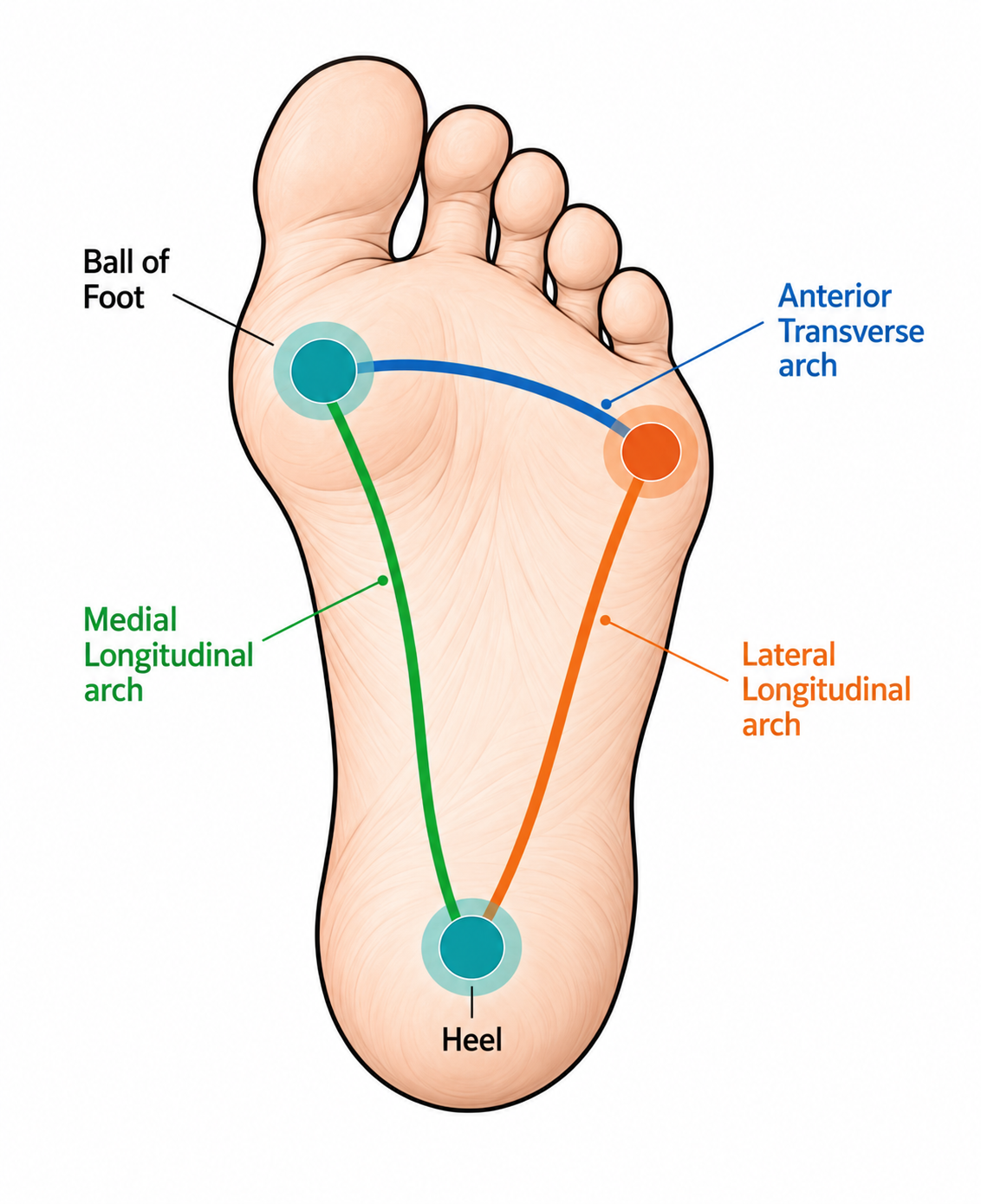
As covered above, pronation goes hand in hand with internal rotation and force production. In a training context, the two key points of contact are the base of the big toe and the inside of the heel.
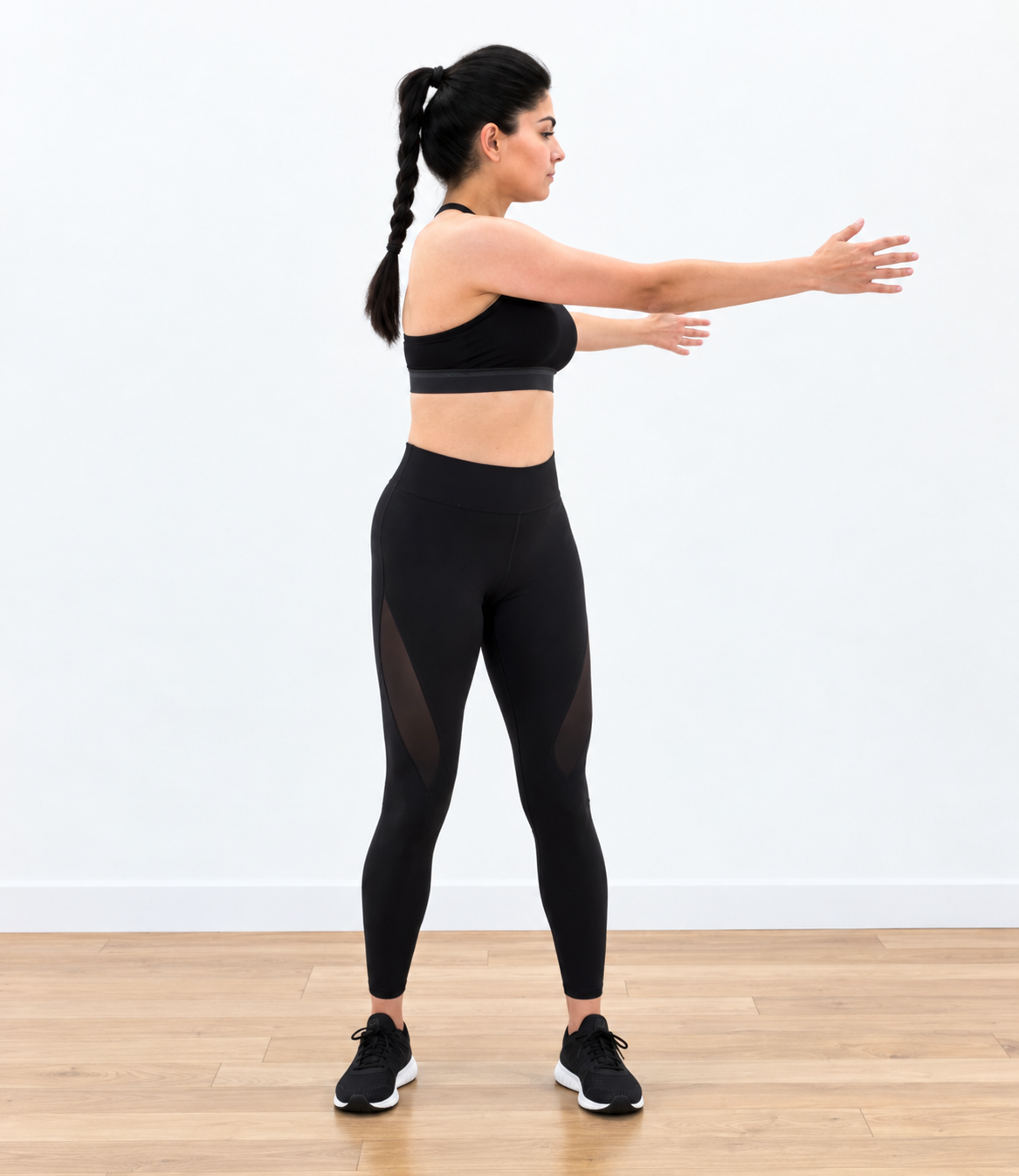
Here's a simple way to feel both sensations at once: stand with your feet parallel and rotate your hips and torso to one side, as if looking over your shoulder. You should feel one foot flatten, with pressure increasing through the inside arch, while the other foot tents up, with pressure shifting toward the little toe side. This is also a useful drill to try barefoot, to start building awareness and sensation in the feet.
Sticking with the squat example from Part 2: say you've worked up to a heavy set and you're attempting a 3-rep max on the back squat. You've already organized your breath to create abdominal tension, and pressed your tongue to the roof of your mouth. At the bottom of the squat, you can add one more cue:
“Push the ground away with the entire foot, with a slight bias of pressure toward the inside arch”
This taps into the mechanics of pronation, and helps integrate the foot, knee, and hip when moving a heavy load.
The same idea applies to a hinge pattern like the RDL, which can meaningfully improve sensation and loading through the posterior chain. Here's a simple cue sequence to try:
Start with pressure predominantly through the midfoot.
As you complete the hinge, shift the pressure bias toward the heels.
Return to the start position by shifting pressure back to the midfoot.
Rotating, squatting heavy, and hinging are just three examples that have been shown above. The same principles can be applied across a wide range of exercises and variations to improve body awareness, muscle tension, and force output.
Receptors, Balance, and Stability
As covered in the anatomy section, the foot has layers of small muscles and a wide range of receptors. Unfortunately, starting in our 40s, both the number and sensitivity of these receptors tend to decline (García-Piqueras et al., 2019), alongside some atrophy of the small muscles in the foot (Menz, 2014). This is part of why we put such an emphasis on training for longevity, balance and stability work included.
The good news: there are simple exercises that can help maintain range of motion, receptor function, and muscle strength.
A good starting point is training the foot's intrinsic muscles, by challenging the big toe and other toes to work both together and independently, lifting and pressing into the ground. To add a strength component, try curling the toes against the ground to move forward in a creeping motion.
Single-leg balance is another simple, effective option: aim to balance on one leg for a set period of time. This can be regressed using a wall for support, or progressed by adding a ball toss for perturbation. To combine intrinsic strength, balance, and stability, try a mini calf raise with the forefoot elevated on an unstable surface. A couple of examples:
You can also get creative by layering in the foot pressure concepts from the previous section, or by changing surfaces (an Airex pad, a yoga mat, or artificial turf) to create a richer sensory environment for the nerve receptors to respond to.
This matters more than it might seem. Research has shown that improving strength at the big toe can improve sprint and jump performance (Tourillon et al., 2024), and that improving intrinsic foot strength can reduce fall risk and improve proprioception in older adults (Futrell et al., 2025). Worth trying, and worth sticking with.
How to Apply This in Training
Producing force in strength exercises: cue medial arch pressure, pushing into the floor through the base of the big toe and inside heel
Rotating and reaching in different directions with the arms: a simple way to challenge and improve foot mechanics and mobility
Isolated foot intrinsic exercises, done on different surfaces: improves receptor sensitivity and helps limit atrophy of the small muscles in the foot
Key Takeaways
The foot and ankle play a direct role in force production, largely through pronation and how pressure moves through the foot
Foot receptors and small intrinsic muscles decline with age, but simple, consistent exercises can help offset that decline
Improving big toe and intrinsic foot strength has been linked to better sprint and jump performance, and reduced fall risk in older adults
Like the tongue and diaphragm covered earlier in this series, the foot is often overlooked, but it's a low-effort, high-value area to train
Wrapping Up the Series
That brings this three-part series to a close. The goal throughout has been to highlight simple, practical strategies for improving performance, supporting rehabilitation, and protecting long-term health across a wide range of people, from soccer players to those managing diabetic neuropathy and reduced foot sensation.
The tongue, diaphragm, and foot are often overlooked in training, but each is a low-effort, high-value place to start. All it takes is awareness, some practice, and consistency. Hopefully, you can reap the benefits.
If you're curious how cues like these show up in your own training, whether it's foot pressure, breathing, or tongue position, that's exactly the kind of detail our coaches build into every program at Avos Strength. Feel free to reach out if you'd like to see what that looks like in practice.
References
Futrell, E., et al. (2025). The effects of intrinsic foot muscle strengthening interventions for adults over age 65: A randomized controlled trial protocol. Frontiers in Aging, 6. https://doi.org/10.3389/fragi.2025.1622232
García-Piqueras, J., et al. (2019). Ageing of the somatosensory system at the periphery: Age-related changes in cutaneous mechanoreceptors. Journal of Anatomy, 234(6), 839–852. https://doi.org/10.1111/joa.12983
Menz, H. B. (2014). Biomechanics of the ageing foot and ankle: A mini-review. Gerontology, 61(4), 381–388. https://doi.org/10.1159/000368357
Tourillon, R., et al. (2024). Human foot muscle strength and its association with sprint acceleration, cutting and jumping performance, and kinetics in high-level athletes. Journal of Sports Sciences, 42, 1–11. https://doi.org/10.1080/02640414.2024.2367365
Viseux, F. J. F. (2020). The sensory role of the sole of the foot: Review and update on clinical perspectives. Neurophysiologie Clinique, 50(1), 55–68. https://doi.org/10.1016/j.neucli.2019.12.003