injury prevention

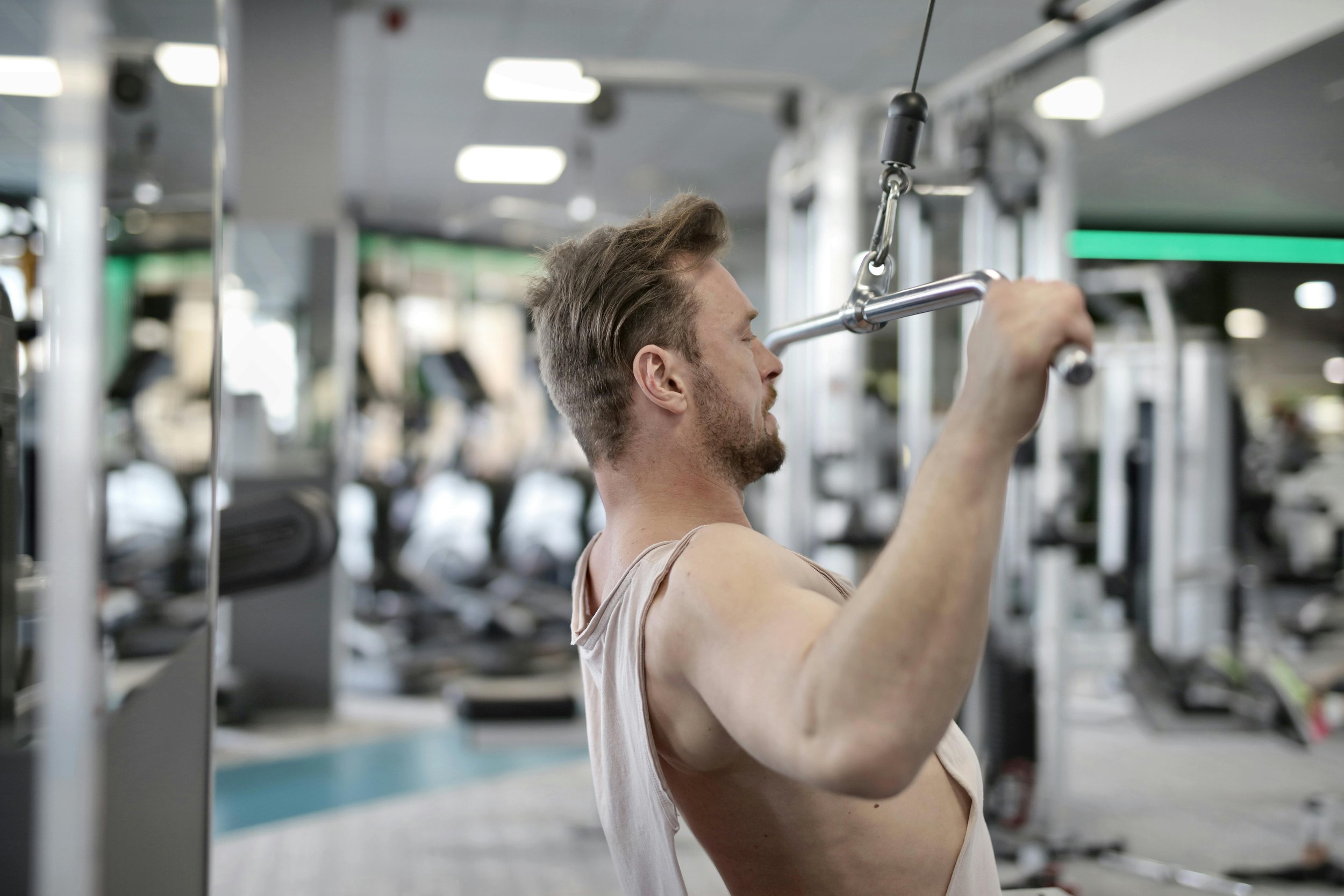
Is Two Days per Week of Strength Training Enough for Longevity?

Written by Evelyn Calado, MKin, CSCS, RKin

If you look at most public health guidelines, the answer seems straightforward. Adults are advised to perform muscle-strengthening activities at least two days per week. This recommendation appears in Canadian, American, and international guidelines and applies to both adults and older adults.

But this raises an important question.

Is two days per week simply the minimum needed to check a health box, or is it actually enough to support long-term health, independence, and longevity?

The short answer is that two days per week can be enough, but only under specific conditions. Frequency alone does not determine whether strength training meaningfully impacts longevity. The quality and intensity of the stimulus matter far more than the number of days on a calendar.

What the Guidelines Actually Mean

Public health recommendations are designed for populations, not individuals. Their goal is to identify the lowest effective dose of activity that meaningfully reduces disease risk at a broad scale.

When guidelines recommend strength training twice per week, they are not suggesting that this is optimal for strength, muscle mass, or performance. They are identifying a threshold below which health risks increase, particularly as we age.

In other words, two days per week is a floor, not a ceiling.

Strength Training and Longevity: What the Research Actually Shows

Research consistently shows that resistance training is associated with lower all-cause mortality, reduced cardiovascular disease risk, and improved long-term health outcomes. From a public health perspective, even relatively small amounts of strength training appear to provide meaningful benefit.

However, it is important to be precise about what these findings actually represent.

Most large-scale longevity studies are designed to identify the minimum effective dose of strength training required to reduce population-level risk. They are not designed to define what is optimal for building strength, preserving muscle mass, or maximizing physical capacity across the lifespan.

In this context, it is true that one to two well-performed strength training sessions per week capture a substantial portion of the longevity benefit observed in epidemiological research. Beyond that point, additional sessions do not appear to reduce mortality risk in a simple, linear fashion.

This does not mean that training more is unnecessary, nor does it suggest that strength beyond a certain point stops being valuable. It simply reflects how longevity is measured in large populations.

For individuals interested in aging well, remaining strong, and protecting themselves against injury, disability, and loss of independence, the goal should not be to meet the minimum dose, but to build and maintain as much usable strength as possible over time.

Longevity vs Capacity: Two Different Goals

It is worth separating two concepts that are often conflated.

Training for longevity focuses on reducing disease risk and maintaining basic function. Training for capacity focuses on building strength, muscle mass, power, and resilience.

While two strength sessions per week may be sufficient to support longevity-related outcomes and can improve strength and muscle mass, they are often not the most effective approach for maximizing those qualities long term, particularly in trained individuals or as we age.

From a coaching perspective, the objective is not to do the least amount of work required to stay alive. The objective is to build a body that remains capable, robust, and adaptable for decades.

That typically requires more than the minimum.

Grip Strength, Brain Health, and Why Strength Is More Than Muscle

One of the most compelling demonstrations of strength’s relationship to long-term health comes from research on grip strength.

A large prospective study using data from nearly 500,000 adults in the UK Biobank examined the association between hand grip strength and dementia incidence. Grip strength, often used as a proxy for overall muscular strength, was found to be strongly and inversely associated with dementia risk.

Individuals in the lowest quartile of grip strength had a 72 percent higher incidence of dementia compared to those in the highest quartile.

This finding is important for two reasons.

First, it reinforces that muscular strength is closely tied to neurological and cognitive health, not just physical capability.

Second, it highlights that simple, measurable indicators of strength can reflect deeper systemic health. This is one reason grip strength is included in assessments such as the Avos Performance Battery. It provides insight into overall robustness, not just hand function.

Strength training, when performed with sufficient intensity, appears to play a meaningful role in preserving mobility, independence, and long-term brain health.

Strength Still Matters Even When Cardio Is “Good Enough”

Another frequently overlooked point is that strength contributes to longevity independently of cardiovascular fitness.

A long-term study following approximately 1,500 men over the age of 40 with hypertension for nearly 18 years examined the relationship between muscular strength, cardiorespiratory fitness, and mortality risk.

The findings were striking.

Even among men who were only in the bottom half of cardiorespiratory fitness, those in the top third for muscular strength had an almost 48 percent lower risk of all-cause mortality compared to those in the lowest strength group.

In other words, being strong mattered, even when aerobic fitness was not exceptional.

The lowest mortality risk was observed in individuals who were both strong and aerobically fit, but strength alone still provided a substantial protective effect. This reinforces the idea that resistance training is not optional if longevity is the goal.

Is Two Days per Week Enough in Practice?

This is where nuance matters.

For many adults, particularly those with limited time, two well-designed strength training sessions per week can meaningfully support long-term health. When performed with sufficient intensity and progression, this approach can maintain and often improve key outcomes such as:

  • Muscular strength

  • Muscle mass (particularly in untrained individuals or those returning to training)

  • Bone health

  • Joint capacity and tissue tolerance

  • Metabolic health

  • Overall function and independence as you age

However, outcomes depend on the goal, training history, and how the sessions are structured.

If an individual’s goal includes maximizing lean muscle mass, strength, power, or creating a larger buffer against age-related decline, training more than twice per week is often useful. This is not because two days “doesn’t work,” but because additional sessions often make it easier to accumulate more high-quality weekly training volume, practice key movement patterns, and progress without excessively long sessions.

Frequency alone does not determine effectiveness. What matters is whether training provides enough mechanical tension, effort, and progression to challenge the tissues that decline most rapidly with age.

Using five-pound dumbbells indefinitely, avoiding effort, or treating strength training as light activity rather than progressive overload is unlikely to produce meaningful adaptation.

Two high-quality sessions can outperform several low-effort ones. But for many people seeking to age strong, three to four sessions per week can be a practical way to accumulate more total weekly work and drive continued progress, especially once the “beginner gains” phase has passed.

Aging Changes the Equation

As we age, muscle protein synthesis becomes less responsive, strength declines faster than endurance, and power loss accelerates. This means that intensity and intent become increasingly important over time.

For older adults, two days per week may still be sufficient, but only if:

  • Exercises are appropriately loaded

  • Movements challenge balance and coordination

  • Strength is trained through meaningful ranges of motion

  • Progression is maintained where possible

Training “often enough” is not the same as training “effectively.”

ACL Injuries: How They Occur, Who Is at Risk, and Why Training Quality Matters (Part 1)

Written by Michael Crawley, BSc, BPT, CSCS


BACKGROUND

Anterior cruciate ligament injuries (ACLI) are often viewed as sudden, unavoidable events that are “fixed” through surgery. In reality, both injury risk and long-term outcomes are strongly influenced by training quality, rehabilitation approach, and the decisions made before and after injury.

This article highlights the complexity of ACL injuries, explains how and why they occur, and outlines key training and rehabilitation considerations that influence risk and return to sport outcomes. While ACL injuries are often discussed in isolation, they are rarely simple knee injuries, and successful outcomes require a broader, long-term view.

The information presented is intended to provide practical, actionable insight for a range of athletes and stakeholders, including:

  • Youth multi-sport athletes and their parents

  • High-level collegiate and professional athletes

  • Competitive recreational athletes of all ages

ACLI have increasingly been described as an epidemic across both amateur and professional sport. Several studies report that ACL injuries account for approximately 50 percent of knee injuries. Over the past 10 to 20 years, female and youth athletes have experienced the largest increase in incidence. Childers et al. (2025) identified female adolescent athletes as the highest-risk group, with a 1.5-fold increased risk compared to their male counterparts.

Importantly, ACL injuries often occur alongside meniscal and cartilage damage. These associated injuries substantially increase the risk of long-term joint degeneration, including osteoarthritis and the need for total knee replacement (Petushek et al. 2019). This added complexity also plays a significant role in surgical decision-making and long-term outcomes.


HOW DOES THIS HAPPEN

ACL injuries generally fall into two categories:

  1. Contact injuries

  2. Non-contact injuries, which account for nearly 80 percent of all ACL ruptures (Beaulieu et al. 2023)

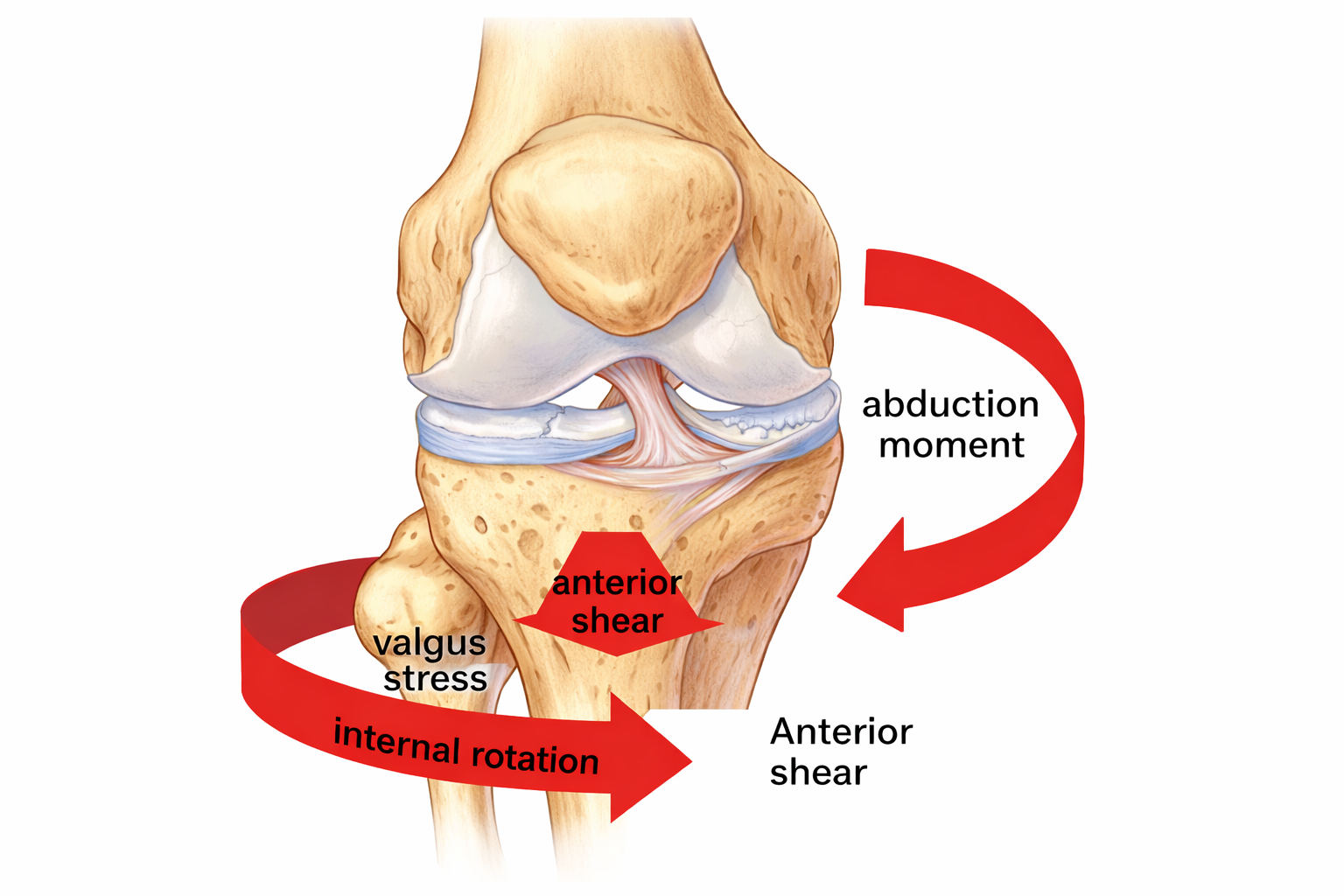
Most non-contact injuries occur during high-speed or high-load movements such as single-leg landings, rapid deceleration, or sharp changes of direction. These movement patterns are common across many sports and can occur both during high-intensity competition and through repeated lower-intensity exposures over time.

Sports such as basketball, soccer, netball, and rugby place consistent demands on these movement patterns, emphasizing the importance of preparing athletes not only for isolated high-risk moments, but also for cumulative loading over a season.


RISK FACTORS AND TRAINING IMPLICATIONS

ACL injury risk is influenced by a combination of anatomical, biomechanical, and training-related factors. While some risk factors cannot be changed, many can be meaningfully influenced through education and training.

Female Athlete Considerations

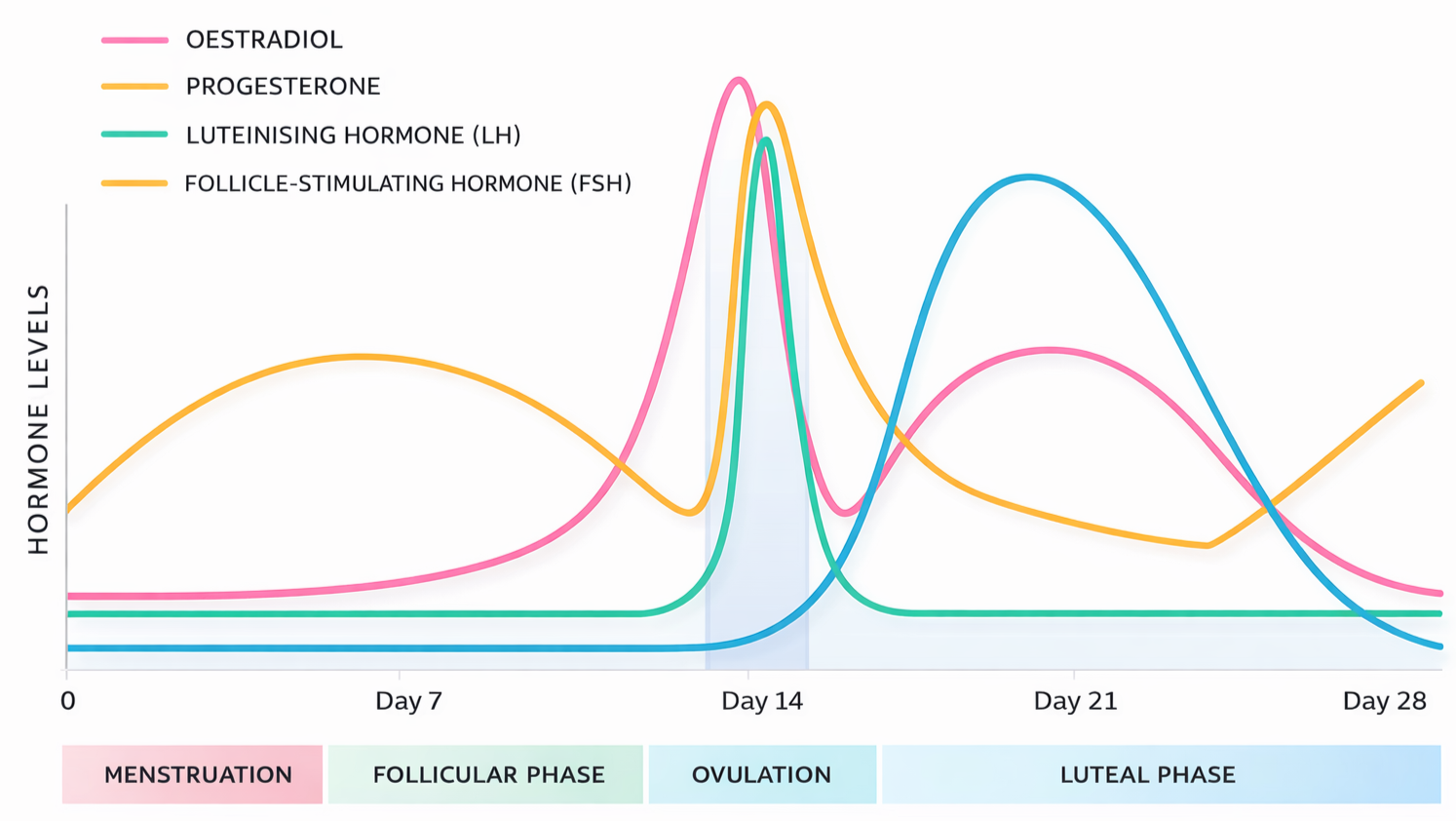
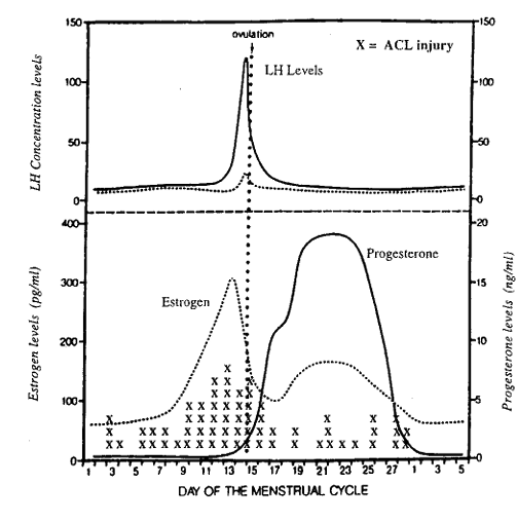
In female athletes, structural features of the tibia, such as posterior tibial slope, along with hormonal influences on ligament laxity, contribute to an increased risk of ACL injury (Kikuchi et al. 2022; Beaulieu et al. 2023).

While these factors cannot be modified, they highlight the importance of early education for young female athletes and their coaches. Building awareness around neuromuscular control, strength development, and movement quality is a critical component of risk reduction.

Playing Surface

Research examining the influence of playing surface has produced mixed findings. However, some studies report higher ACL injury rates in NFL athletes competing on artificial surfaces compared to natural grass (Hershman et al. 2012).

Although athletes cannot always control the surface they compete on, training exposure can be diversified. Incorporating training on a variety of surfaces may help improve adaptability and tolerance to different loading conditions prior to competition.

Fatigue and Repetitive Loading

Emerging evidence suggests that ACL rupture does not always result from a single traumatic event. Fatigue and repetitive sub-maximal loading may contribute to progressive ligament failure over time (Wojtys et al. 2016).

From a training perspective, building tissue capacity in key muscle groups such as the hamstrings, quadriceps, calves, and adductors may increase tolerance to repeated stress and reduce injury risk.

Whole-Body Strength and Neuromuscular Control

Although ACL injuries occur at the knee, load can be transmitted from both the top down and bottom up through the kinetic chain. Poor three-dimensional strength across the trunk, hip, knee, and ankle can increase stress on different portions of the ACL (Beaulieu et al. 2023).

Training that develops strength in multiple planes of motion, both in isolated exercises and integrated movement patterns, helps improve robustness and neuromuscular control.

For example, multi-directional jumping exercises can target trunk, hip, knee, and ankle coordination simultaneously:


WHAT IS CONSIDERED SUCCESSFUL ACL REHABILITATION AND HOW IS IT ACHIEVED

Over the past decade, the definition of successful return to sport (RTS) following ACL injury has evolved. A well-regarded Canadian kinesiologist, Carmen Bott, emphasizes that simply returning to sport is not the same as returning successfully.

Long-term data highlight the difficulty of maintaining sport participation following ACL injury. Pinheiro et al. (2022) reported that among elite athletes followed over five years, participation at the same competitive level declined from 75 percent in year one to just 20 percent by year five.

Outcomes are even less favorable in competitive amateur athletes. Approximately 65 percent return to pre-injury level, with overall return to competitive sport roughly 10 percent lower (Nwachukwu et al. 2019).

Following a well-structured, progressively loaded strength and conditioning program can enhance both physical capacity and confidence during rehabilitation. A simplified progression may include:

This progression represents only a snapshot of a rehabilitation process that commonly spans 9 to 12 months. Progression should be goal-oriented rather than time-driven, with athletes meeting clearly defined prerequisites before advancing.


TO CUT OR NOT (NOT MEDICAL ADVICE)

When an athlete is diagnosed with an ACL injury, the immediate assumption is often that surgery is required. Indeed, 98 percent of orthopaedic surgeons recommend ACL reconstruction for athletes aiming to return to sports involving running, cutting, and jumping (Weiler et al. 2015).

However, surgery is not always the appropriate choice. Non-operative management may be suitable depending on several factors (Komnos et al. 2024), including:

  • Individual expectations and current sport level

  • Presence of concomitant injuries such as meniscal or cartilage damage

  • Degree of knee laxity and perceived instability

Fitzgerald et al. (2000) classified individuals into three groups:

  1. Copers: return to pre-injury level of sport

  2. Adapters: return to a reduced level to avoid instability

  3. Non-copers: unable to return due to persistent instability

A notable example is a Premier League footballer who returned to play eight weeks after a complete ACL rupture without surgery (Weiler et al. 2015). While this represents a single case, it highlights the importance of individualized decision-making.

What Does This Mean for Non-Professional Athletes?

Athletes outside professional systems should:

  • Ask detailed questions about the structures involved in their injury (ACL only vs associated damage)

  • Communicate subjective symptoms such as instability, confidence, or locking

  • Clarify long-term goals, whether returning to competition or maintaining an active lifestyle

  • Consider an initial period of structured rehabilitation before committing to surgery, particularly when instability is not present

In the Premier League case study, the athlete consulted three surgeons, two of whom recommended surgery, while one supported a conservative rehabilitation-first approach. This underscores the value of informed discussion and shared decision-making.


SUMMARY AND KEY TAKEAWAYS

  • ACL injuries are complex and influenced by multiple interacting factors including age, sex, sport demands, training exposure, and movement quality.

    • Educating female athletes about menstrual cycle considerations and ligament laxity may be beneficial.

    • Monitoring training load during high knee-stress activities is important.

    • Developing tissue capacity through comprehensive strength training can enhance tolerance to stress.

  • Returning to previous levels of sport remains challenging, particularly for non-professional athletes.

    • Rehabilitation should be thorough and guided by experienced practitioners.

    • Successful return to play depends on strength, neuromuscular control, and power that match sport-specific demands.

  • Surgery is not the only option.

    • Decisions should be made collaboratively between the athlete, physiotherapist, and surgeon.

    • Clear communication around injury extent and long-term goals leads to better outcomes.


Looking for Individualized Support?

If you’re currently dealing with an ACL injury, returning from surgery, or unsure how to safely progress your training, working with an experienced coach can make a meaningful difference.

Michael works closely with athletes across all levels and has extensive experience supporting ACL rehabilitation and return-to-sport training in collaboration with physiotherapists and medical professionals.

If you’d like to explore whether coaching support is right for you, you can book an initial assessment here.


PART 2: WHAT TO EXPECT

The next article will focus specifically on female and youth athletes and will explore:

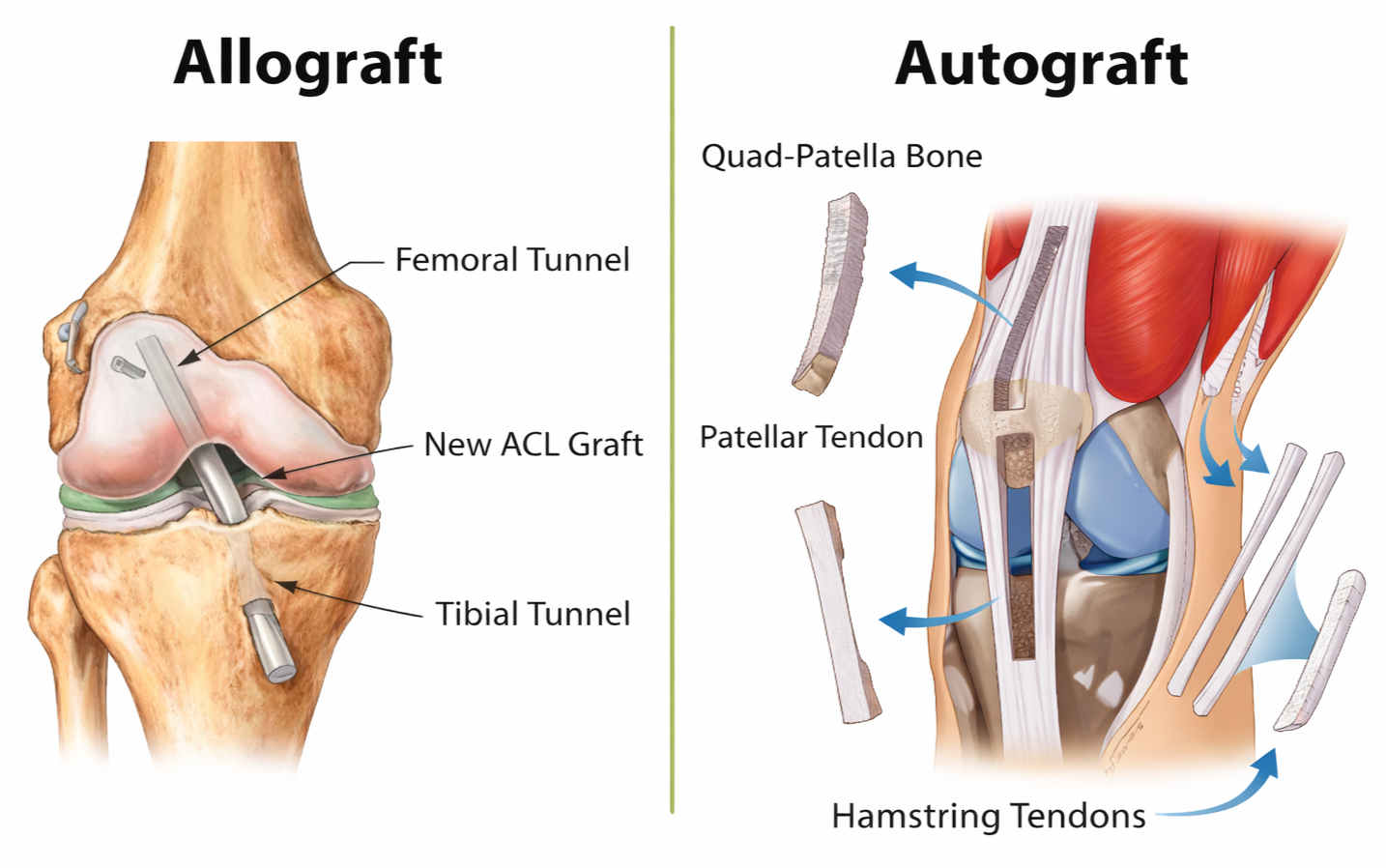
  • Graft selection considerations when surgery is required

  • The role of prehabilitation in improving long-term outcomes


References

Beaulieu, M. L., Lamontagne, M., Xu, L., & Li, G. (2023). Loading mechanisms of the anterior cruciate ligament. Sports Biomechanics, 22(1), 1–29. https://doi.org/10.1080/14763141.2021.1916578

Childers, J. D., Weiss, L. J., Pennington, Z. T., Nwachukwu, B. U., & Allen, A. A. (2025). Reported anterior cruciate ligament injury incidence in adolescent athletes is greatest in female soccer players and athletes participating in club sports: A systematic review and meta-analysis. Arthroscopy, 41(3), 774–784.e772. https://doi.org/10.1016/j.arthro.2024.03.050

Fitzgerald, G. K., Axe, M. J., & Snyder-Mackler, L. (2000). A decision-making scheme for returning patients to high-level activity with nonoperative treatment after anterior cruciate ligament rupture. Knee Surgery, Sports Traumatology, Arthroscopy, 8(2), 76–82. https://doi.org/10.1007/s001670050190

Hershman, E. B., Anderson, R., Bergfeld, J. A., Bradley, J. P., Shelbourne, K. D., Sills, A., & McGuire, K. J. (2012). An analysis of specific lower extremity injury rates on grass and FieldTurf playing surfaces in National Football League games: 2000–2009 seasons. The American Journal of Sports Medicine, 40(10), 2200–2205. https://doi.org/10.1177/0363546512458888

Kikuchi, N., Hara, R., Hiranuma, K., Nakazawa, R., & Fukubayashi, T. (2022). Relationship between posterior tibial slope and lower extremity biomechanics during a single-leg drop landing combined with a cognitive task in athletes after ACL reconstruction. Orthopaedic Journal of Sports Medicine, 10(7), 23259671221107931. https://doi.org/10.1177/23259671221107931

Komnos, G. A., Kotsifaki, A., Dingenen, B., & Gokeler, A. (2024). Anterior cruciate ligament tear: Individualized indications for non-operative management. Journal of Clinical Medicine, 13(20), Article 6233. https://doi.org/10.3390/jcm13206233

Nwachukwu, B. U., Chang, B., Voleti, P. B., Berkanish, P., Cohn, M. R., & Allen, A. A. (2019). How much do psychological factors affect lack of return to play after anterior cruciate ligament reconstruction? A systematic review. Orthopaedic Journal of Sports Medicine, 7(5), 2325967119845313. https://doi.org/10.1177/2325967119845313

Petushek, E. J., Sugimoto, D., Stoolmiller, M., Smith, G., & Myer, G. D. (2019). Evidence-based best-practice guidelines for preventing anterior cruciate ligament injuries in young female athletes: A systematic review and meta-analysis. The American Journal of Sports Medicine, 47(7), 1744–1753. https://doi.org/10.1177/0363546518782460

Pinheiro, V. H., Mascarenhas, R., Saltzman, B. M., & Nwachukwu, B. U. (2022). Rates and levels of elite sport participation at 5 years after revision ACL reconstruction. The American Journal of Sports Medicine, 50(14), 3762–3769. https://doi.org/10.1177/03635465221127297

Weiler, R., Monte-Colombo, M., Mitchell, A., & Haddad, F. (2015). Non-operative management of a complete anterior cruciate ligament injury in an English Premier League football player with return to play in less than 8 weeks: Applying common sense in the absence of evidence. BMJ Case Reports, 2015, bcr2014208012. https://doi.org/10.1136/bcr-2014-208012

Wojtys, E. M., Beaulieu, M. L., Ashton-Miller, J. A., & Newcomb, W. (2016). New perspectives on ACL injury: On the role of repetitive sub-maximal knee loading in causing ACL fatigue failure. Journal of Orthopaedic Research, 34(12), 2059–2068. https://doi.org/10.1002/jor.23441

Build the Athlete First: Why Youth Athletes Need Physical Literacy Before Sport Specialization

Written by Evelyn Calado, MKin, CSCS, RKin

Every parent wants the best for their child.

A chance to make the top team.
A scholarship.
A future in sport.

And because of that hope, many families fall into the same trap: more camps, more private sessions, more tournaments, more exposure. Summer schedules become nonstop. Kids bounce from training block to training block with no real break.

But more sport is not the same as better development.

Kids are not mini professionals. They are growing humans. And when young athletes are pushed into year-round specialization without a physical foundation, the outcomes are predictable: burnout, recurring injuries, stalled progress, and a quiet loss of joy for the game.

The goal of youth sport is not to peak at 12 or 13.
The goal is to build a base that allows athletes to keep improving at 16, 18, and beyond.

That is where long-term athlete development matters.

What long-term athlete development actually means

In Canada, Sport for Life’s Long-Term Development framework is very clear: athletes need to do the right things at the right time.

Early stages such as Active Start, FUNdamentals, and Learn to Train focus on physical literacy before puberty. Physical literacy includes fundamental movement skills like running, jumping, landing, throwing, catching, climbing, rotating, balancing, and reacting.

This physical foundation is what allows athletes to specialize later if they choose. It is not a delay. It is preparation.

When kids skip these stages and jump straight into high volumes of sport-specific training, they often get good at the sport temporarily, until their body becomes the limiting factor.

The real cost of early sport specialization

Early sport specialization is heavily marketed. Parents are told that year-round commitment and early focus are the path to success.

Research and real-world coaching experience tell a different story.

Early specialization and high training volume are associated with:

  • Higher rates of overuse injuries

  • Increased burnout and mental fatigue

  • Decreased long-term participation in sport

  • Recurrent pain that becomes “normal” far too early

If a child is always sore, always tight, or always tired, that is not a badge of dedication. That is a signal.

We are now seeing stress fractures, chronic tendon pain, and ACL injuries in middle school athletes. That should concern everyone involved in youth sport.

Kids should still be kids (and this matters for performance)

One of the most overlooked pieces of youth development is unstructured movement.

Kids need time to:

  • Run fast without a stopwatch

  • Jump and land naturally

  • Skip, hop, and change direction

  • Throw and catch objects of different shapes and weights

  • Wrestle, climb, crawl, and play games

  • Solve movement problems without constant instruction

This type of movement exposure builds coordination, adaptability, and resilience. It also builds better athletes later.

The best long-term performers are rarely the ones who only did one sport year-round from childhood. They are often the kids who played multiple sports, played outside, and developed broad athletic skills early.

Strength training is not the problem. It is part of the solution.

One of the most persistent myths in youth sport is that strength training is dangerous for kids.

When strength training is age appropriate, coached properly, and focused on movement quality, it is not only safe, it is one of the most effective tools we have.

For youth athletes, strength training helps:

  • Improve sprinting and jumping ability

  • Build tendon and joint resilience

  • Improve posture and body control

  • Reduce injury risk

  • Build confidence and competence in movement

Strength training does not mean maximal lifting or adult programs scaled down. It means learning how to move well under load, progressing gradually, and respecting growth and recovery.

The issue is not strength training.
The issue is poor coaching and poor programming.

Youth training guidelines

When parents ask what a balanced approach actually looks like, I lean on five clear guidelines from the Australian Institute of Sport. These guidelines help protect young athletes while still allowing them to develop.

1. Two days off structured sport per week

Young athletes should have two days off organized sport each week.
This does not mean inactivity. It means a break from formal practices, games, and competitions.

No more than three structured training days in a row is a good rule of thumb.

Days off are used for recovery, light movement, and general athletic development, not more sport volume.

2. Minimum 24 hours between intense sessions

Intense sessions include impact, contact, sprints, and jumps.

If today is a hard practice or game, tomorrow should not be another high-intensity day whenever possible. Tissues and the nervous system need time to recover.

3. Fatigue reduction matters

If a kid is constantly sore, tired, or emotionally flat, something needs to change.

Priorities include:

  • Adequate nutrition

  • Sleep, often 9 or more hours for youth

  • Monitoring total load, including practices, games, extra training, camps, and school stress

Fatigue is not always physical. Academic and emotional stress count too.

4. Strength training 2 to 3 times per week

Strength training should be a consistent part of youth development.

This builds the foundation for speed, power, tissue resilience, and confidence. The focus should always be on quality movement, not chasing numbers.

5. Adjust training during stressful life periods

During exams, growth spurts, poor sleep, emotional stress, or unusually busy weeks, training volume should be reduced.

Pulling back is not falling behind. It is smart coaching.

What a balanced training week can look like

This will vary based on age, maturity, sport, and season, but a general structure might look like:

  • Two days off structured sport

  • Two to three sport practices or games

  • Two strength training sessions

  • Intense days separated by at least 24 hours

  • Strength sessions adjusted in volume during heavy competition weeks

This approach supports development without constantly pushing kids into a recovery deficit.

What parents should look for in youth training

Youth physical development is largely unregulated, which makes it hard for parents to know what to look for.

At minimum, a coach working with youth should have:

  • Education in kinesiology, exercise science, or a related field

  • Training in growth, motor development, and youth exercise prescription

  • A clear philosophy aligned with long-term athlete development

  • Safe Sport or ethics training

  • Insurance and proper business practices

  • The ability to adjust training when a child is tired, sore, or growing rapidly

Being a former high-level athlete does not automatically make someone qualified to guide youth physical development.

Good intentions are not enough.

The long-term goal is bigger than sport

There will be a last game every athlete plays.

Sport is finite. Strength, movement skill, and confidence in the body are not.

When kids learn to move well, build strength, recover properly, and respect their body, they carry those habits into adulthood. Whether they pursue elite sport or not, they win.

The goal is not to create robots who grind year-round.
The goal is to build adaptable, resilient humans who can handle sport, stress, and life.

That starts by building the athlete first.

How We Support Youth Athletes

If you are a parent in Vancouver and want a smarter approach that supports your child’s sport without piling on more volume, Avos Strength works with youth athletes using a long-term development model that prioritizes health, performance, and longevity.

Book a youth athlete consult

References

Australian Institute of Sport. (n.d.). Youth and junior athlete development principles. Australian Sports Commission.
https://www.ais.gov.au

Balyi, I., Way, R., & Higgs, C. (2013). Long-term athlete development. Human Kinetics.

Faigenbaum, A. D., Kraemer, W. J., Blimkie, C. J. R., Jeffreys, I., Micheli, L. J., Nitka, M., & Rowland, T. W. (2009). Youth resistance training: Updated position statement from the National Strength and Conditioning Association. Journal of Strength and Conditioning Research, 23(Suppl 5), S60–S79.
https://doi.org/10.1519/JSC.0b013e31819df407

International Olympic Committee. (2015). Youth athletic development: IOC consensus statement. British Journal of Sports Medicine, 49(13), 843–851.
https://doi.org/10.1136/bjsports-2015-094962

Jayanthi, N. A., LaPrade, R. F., Meeuwisse, W. H., Oberlander, T. F., & Patel, D. R. (2015). Sports-specialized intensive training and the risk of injury in young athletes: A clinical case-control study. American Journal of Sports Medicine, 43(4), 794–801.
https://doi.org/10.1177/0363546514567292

LaPrade, R. F., Agel, J., Baker, J., Brenner, J. S., Cordasco, F. A., Côté, J., Engebretsen, L., Feeley, B. T., Gould, D., Hainline, B., Hewett, T. E., Jayanthi, N., Kocher, M. S., Myer, G. D., Nissen, C. W., Philippon, M. J., Provencher, M. T., & Sanchez, G. (2016). AOSSM early sport specialization consensus statement. Orthopaedic Journal of Sports Medicine, 4(4).
https://doi.org/10.1177/2325967116644241

Lubans, D. R., Morgan, P. J., Cliff, D. P., Barnett, L. M., & Okely, A. D. (2010). Fundamental movement skills in children and adolescents: Review of associated health benefits. Sports Medicine, 40(12), 1019–1035.
https://doi.org/10.2165/11536850-000000000-00000

O’Kane, J. W., Neradilek, M., Polissar, N., Sabado, L., Tencer, A., & Schiff, M. A. (2017). Risk factors for lower extremity overuse injuries in female youth soccer players. Orthopaedic Journal of Sports Medicine, 5(10).
https://doi.org/10.1177/2325967117733963

Sport for Life. (n.d.). Long-term development framework.
https://sportforlife.ca

Strength Training for Longevity: Staying Active, Capable, and Competitive as You Age

Written by Evelyn Calado, MKin, CSCS, RKin


For most people, aging means slowing down, getting injured more often, and gradually stepping away from the sports or activities they once loved.
But it doesn’t have to be that way.

At Avos Strength, one of our core goals is helping people stay active and strong enough to keep doing what they love. Whether that’s playing hockey, hiking, running around with grandkids, or competing in tennis well into their seventies.

Longevity isn't just about living longer. It's about being able to play longer.

Strength Training Is the Foundation

The research is clear: strength training is one of the most powerful tools for healthy aging.

The Canadian Physical Activity Guidelines recommend that adults engage in strength training at least two times per week. Not just walking. Not just stretching. Strength work.

Why?

Because as we age, we naturally lose:
• Muscle mass (sarcopenia)
• Bone density (osteopenia)
• Balance and coordination
• Speed and power

None of that is inevitable if you stay consistent and take action early.

Strength training helps maintain lean mass, reinforce bone density, improve joint integrity, and significantly reduce the risk of falls, fractures, and injuries. It improves your ability to move, lift, rotate, decelerate, and react. These skills matter whether you’re skiing or just stepping down a curb.

Our Clients Are Proof

We work with clients in their sixties, seventies, and beyond who are still playing high-level sports. Hockey. Tennis. Pickleball. Soccer.

They’re not outliers because of genetics. They’re still going because they’ve trained consistently for years. They’ve built capacity and resilience. And now they’re seeing all their peers slow down, drop off, or get injured while they’re still showing up and performing.

That’s not luck. That’s training age, smart coaching, and commitment.

It's Never Too Late to Start

You don’t need to start in your thirties or forties to benefit from strength training.

We’ve seen people start in their sixties and still build muscle, improve balance, regain confidence, and feel better than they have in years.

The science backs this up. You still have the ability to increase strength, coordination, and motor control at any age. What matters is that you start now and do it with support and structure.

The Right Attitude Is Just as Important

Training isn’t just physical. It’s mental. And the attitude you bring into the gym matters just as much as the exercises you do.

We don’t work with clients who say things like:
"I can’t do that."
"I’m too old."
"That’s not for someone like me."

Because the more you say you can’t, the more you won’t.

You still have the ability to wire new movement patterns, build new neural pathways, and develop new skills. Research shows that your brain and body are capable of adapting well into later life. You just have to give them the opportunity.

We will always coach you safely and program with purpose. But you need to be willing to try.

The clients who see long-term success are the ones who stay curious, open, and engaged. They say yes more than they say no. That mindset carries them forward.

This Is a Lifestyle, Not a 3-Month Fix

At Avos Strength, we don’t believe in quick fixes or short-term programs. This isn’t a three-month transformation. This is long-term development.

Strength training is not just about lifting weights. It’s about:
• Building confidence in your body
• Staying resilient against injury
• Learning skills that stay with you
• Creating structure in your week
• Building meaningful relationships with coaches and teammates who support you

Our clients train with us because they want to live well and play hard for as long as possible. And they enjoy the process along the way.

The Bottom Line

Strength training is one of the best investments you can make for your future self.

Whether you're trying to stay in the game, reduce your injury risk, or simply move better and feel stronger, it’s never too late to start. What matters is that you stay consistent, train with intention, and surround yourself with people who care about your long-term success.

Train. Play. Repeat.

If you're ready to build a strong, capable version of yourself, we’re here for that.
Book a session with Avos Strength and let’s get started.