healthy aging

Is Two Days per Week of Strength Training Enough for Longevity?

Written by Evelyn Calado, MKin, CSCS, RKin

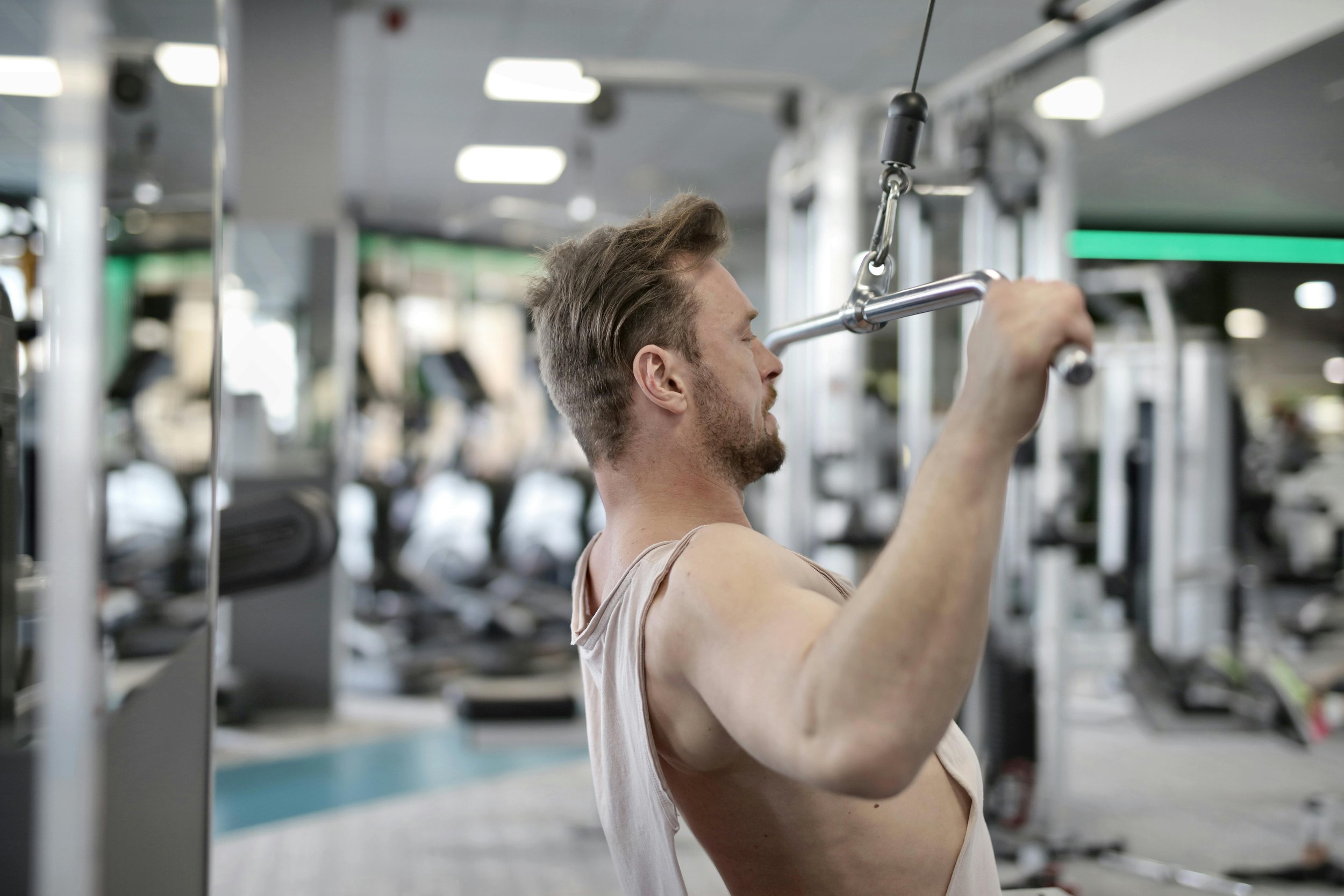
trength training exercise, lat pulldown, demonstrating longevity-focused resistance training

If you look at most public health guidelines, the answer seems straightforward. Adults are advised to perform muscle-strengthening activities at least two days per week. This recommendation appears in Canadian, American, and international guidelines and applies to both adults and older adults.

But this raises an important question.

Is two days per week simply the minimum needed to check a health box, or is it actually enough to support long-term health, independence, and longevity?

The short answer is that two days per week can be enough, but only under specific conditions. Frequency alone does not determine whether strength training meaningfully impacts longevity. The quality and intensity of the stimulus matter far more than the number of days on a calendar.

What the Guidelines Actually Mean

Public health recommendations are designed for populations, not individuals. Their goal is to identify the lowest effective dose of activity that meaningfully reduces disease risk at a broad scale.

When guidelines recommend strength training twice per week, they are not suggesting that this is optimal for strength, muscle mass, or performance. They are identifying a threshold below which health risks increase, particularly as we age.

In other words, two days per week is a floor, not a ceiling.

Strength Training and Longevity: What the Research Actually Shows

Research consistently shows that resistance training is associated with lower all-cause mortality, reduced cardiovascular disease risk, and improved long-term health outcomes. From a public health perspective, even relatively small amounts of strength training appear to provide meaningful benefit.

However, it is important to be precise about what these findings actually represent.

Most large-scale longevity studies are designed to identify the minimum effective dose of strength training required to reduce population-level risk. They are not designed to define what is optimal for building strength, preserving muscle mass, or maximizing physical capacity across the lifespan.

In this context, it is true that one to two well-performed strength training sessions per week capture a substantial portion of the longevity benefit observed in epidemiological research. Beyond that point, additional sessions do not appear to reduce mortality risk in a simple, linear fashion.

This does not mean that training more is unnecessary, nor does it suggest that strength beyond a certain point stops being valuable. It simply reflects how longevity is measured in large populations.

For individuals interested in aging well, remaining strong, and protecting themselves against injury, disability, and loss of independence, the goal should not be to meet the minimum dose, but to build and maintain as much usable strength as possible over time.

Longevity vs Capacity: Two Different Goals

It is worth separating two concepts that are often conflated.

Training for longevity focuses on reducing disease risk and maintaining basic function. Training for capacity focuses on building strength, muscle mass, power, and resilience.

While two strength sessions per week may be sufficient to support longevity-related outcomes and can improve strength and muscle mass, they are often not the most effective approach for maximizing those qualities long term, particularly in trained individuals or as we age.

From a coaching perspective, the objective is not to do the least amount of work required to stay alive. The objective is to build a body that remains capable, robust, and adaptable for decades.

That typically requires more than the minimum.

Grip Strength, Brain Health, and Why Strength Is More Than Muscle

One of the most compelling demonstrations of strength’s relationship to long-term health comes from research on grip strength.

A large prospective study using data from nearly 500,000 adults in the UK Biobank examined the association between hand grip strength and dementia incidence. Grip strength, often used as a proxy for overall muscular strength, was found to be strongly and inversely associated with dementia risk.

Individuals in the lowest quartile of grip strength had a 72 percent higher incidence of dementia compared to those in the highest quartile.

This finding is important for two reasons.

First, it reinforces that muscular strength is closely tied to neurological and cognitive health, not just physical capability.

Second, it highlights that simple, measurable indicators of strength can reflect deeper systemic health. This is one reason grip strength is included in assessments such as the Avos Performance Battery. It provides insight into overall robustness, not just hand function.

Strength training, when performed with sufficient intensity, appears to play a meaningful role in preserving mobility, independence, and long-term brain health.

Strength Still Matters Even When Cardio Is “Good Enough”

Another frequently overlooked point is that strength contributes to longevity independently of cardiovascular fitness.

A long-term study following approximately 1,500 men over the age of 40 with hypertension for nearly 18 years examined the relationship between muscular strength, cardiorespiratory fitness, and mortality risk.

The findings were striking.

Even among men who were only in the bottom half of cardiorespiratory fitness, those in the top third for muscular strength had an almost 48 percent lower risk of all-cause mortality compared to those in the lowest strength group.

In other words, being strong mattered, even when aerobic fitness was not exceptional.

The lowest mortality risk was observed in individuals who were both strong and aerobically fit, but strength alone still provided a substantial protective effect. This reinforces the idea that resistance training is not optional if longevity is the goal.

Is Two Days per Week Enough in Practice?

This is where nuance matters.

For many adults, particularly those with limited time, two well-designed strength training sessions per week can meaningfully support long-term health. When performed with sufficient intensity and progression, this approach can maintain and often improve key outcomes such as:

  • Muscular strength

  • Muscle mass (particularly in untrained individuals or those returning to training)

  • Bone health

  • Joint capacity and tissue tolerance

  • Metabolic health

  • Overall function and independence as you age

However, outcomes depend on the goal, training history, and how the sessions are structured.

If an individual’s goal includes maximizing lean muscle mass, strength, power, or creating a larger buffer against age-related decline, training more than twice per week is often useful. This is not because two days “doesn’t work,” but because additional sessions often make it easier to accumulate more high-quality weekly training volume, practice key movement patterns, and progress without excessively long sessions.

Frequency alone does not determine effectiveness. What matters is whether training provides enough mechanical tension, effort, and progression to challenge the tissues that decline most rapidly with age.

Using five-pound dumbbells indefinitely, avoiding effort, or treating strength training as light activity rather than progressive overload is unlikely to produce meaningful adaptation.

Two high-quality sessions can outperform several low-effort ones. But for many people seeking to age strong, three to four sessions per week can be a practical way to accumulate more total weekly work and drive continued progress, especially once the “beginner gains” phase has passed.

Aging Changes the Equation

As we age, muscle protein synthesis becomes less responsive, strength declines faster than endurance, and power loss accelerates. This means that intensity and intent become increasingly important over time.

For older adults, two days per week may still be sufficient, but only if:

  • Exercises are appropriately loaded

  • Movements challenge balance and coordination

  • Strength is trained through meaningful ranges of motion

  • Progression is maintained where possible

Training “often enough” is not the same as training “effectively.”

At Avos Strength, we build programs around your training history and goals, not just the minimum guidelines. If you want to know whether your current training frequency is actually driving progress, you can book an assessment here.

Strength Training for Longevity: Staying Active, Capable, and Competitive as You Age

Written by Evelyn Calado, MKin, CSCS, RKin


For most people, aging means slowing down, getting injured more often, and gradually stepping away from the sports or activities they once loved.
But it doesn’t have to be that way.

At Avos Strength, one of our core goals is helping people stay active and strong enough to keep doing what they love. Whether that’s playing hockey, hiking, running around with grandkids, or competing in tennis well into their seventies.

Longevity isn't just about living longer. It's about being able to play longer.

Older man in his sixties performing a bicep curl during a strength training session

Strength Training Is the Foundation

The research is clear: strength training is one of the most powerful tools for healthy aging.

The Canadian Physical Activity Guidelines recommend that adults engage in strength training at least two times per week. Not just walking. Not just stretching. Strength work.

Why?

Because as we age, we naturally lose:
• Muscle mass (sarcopenia)
• Bone density (osteopenia)
• Balance and coordination
• Speed and power

None of that is inevitable if you stay consistent and take action early.

Strength training helps maintain lean mass, reinforce bone density, improve joint integrity, and significantly reduce the risk of falls, fractures, and injuries. It improves your ability to move, lift, rotate, decelerate, and react. These skills matter whether you’re skiing or just stepping down a curb.

Our Clients Are Proof

We work with clients in their sixties, seventies, and beyond who are still playing high-level sports. Hockey. Tennis. Pickleball. Soccer.

They’re not outliers because of genetics. They’re still going because they’ve trained consistently for years. They’ve built capacity and resilience. And now they’re seeing all their peers slow down, drop off, or get injured while they’re still showing up and performing.

That’s not luck. That’s training age, smart coaching, and commitment.

It's Never Too Late to Start

You don’t need to start in your thirties or forties to benefit from strength training.

We’ve seen people start in their sixties and still build muscle, improve balance, regain confidence, and feel better than they have in years.

The science backs this up. You still have the ability to increase strength, coordination, and motor control at any age. What matters is that you start now and do it with support and structure.

The Right Attitude Is Just as Important

Training isn’t just physical. It’s mental. And the attitude you bring into the gym matters just as much as the exercises you do.

We don’t work with clients who say things like:
"I can’t do that."
"I’m too old."
"That’s not for someone like me."

Because the more you say you can’t, the more you won’t.

You still have the ability to wire new movement patterns, build new neural pathways, and develop new skills. Research shows that your brain and body are capable of adapting well into later life. You just have to give them the opportunity.

We will always coach you safely and program with purpose. But you need to be willing to try.

The clients who see long-term success are the ones who stay curious, open, and engaged. They say yes more than they say no. That mindset carries them forward.

This Is a Lifestyle, Not a 3-Month Fix

At Avos Strength, we don’t believe in quick fixes or short-term programs. This isn’t a three-month transformation. This is long-term development.

Strength training is not just about lifting weights. It’s about:
• Building confidence in your body
• Staying resilient against injury
• Learning skills that stay with you
• Creating structure in your week
• Building meaningful relationships with coaches and teammates who support you

Our clients train with us because they want to live well and play hard for as long as possible. And they enjoy the process along the way.

The Bottom Line

Strength training is one of the best investments you can make for your future self.

Whether you're trying to stay in the game, reduce your injury risk, or simply move better and feel stronger, it’s never too late to start. What matters is that you stay consistent, train with intention, and surround yourself with people who care about your long-term success.

Train. Play. Repeat.

If you're ready to build a strong, capable version of yourself, we’re here for that.
Book a session with Avos Strength and let’s get started.

Why Your Heart Rate Lowers as You Age: Resting and Maximum Heart Rate Explained

As we age, our bodies undergo numerous changes, and one of the most noticeable in terms of physical activity is the way our heart rate behaves. From resting heart rate to maximum heart rate during exercise, understanding these changes can help us maintain optimal health and fitness as we grow older. In this post, we’ll dive into the science of heart rate, the impact of aging, and what peer-reviewed research tells us about these changes.

Resting Heart Rate (RHR) and Aging

Your resting heart rate (RHR) is the number of times your heart beats per minute when you are at rest, such as while sitting quietly. For most adults, a healthy RHR ranges from 60 to 100 beats per minute (bpm), though highly fit individuals may have a lower RHR, often between 40 to 60 bpm.

How RHR Changes with Age:

As you age, your resting heart rate may change slightly due to:

  • Reduced SA Node Efficiency: The sinoatrial (SA) node, which acts as the heart’s natural pacemaker, can lose some of its cells over time, leading to a slower baseline heart rate.

  • Stiffening of the Heart Muscle: The heart muscle may become less elastic, impacting how efficiently it pumps blood.

Despite these changes, regular physical activity can keep your RHR within a healthy range. Studies have shown that individuals who engage in regular aerobic exercise maintain a lower RHR as they age compared to sedentary individuals.

Why a Lower RHR is Good:

A lower RHR indicates that your heart is more efficient at pumping blood, which is often a marker of good cardiovascular health. For example, a trained endurance athlete’s RHR may be as low as 40 bpm because their heart is capable of pumping more blood with each beat.

Maximum Heart Rate (MHR) and Aging

Your maximum heart rate (MHR) is the highest number of beats per minute your heart can achieve during intense physical activity. It is an important measure for determining exercise intensity zones and decreases predictably with age.

The Formula:

A widely used formula to estimate MHR is: MHR = 220 – age

For example:

  • At age 30: Estimated MHR = 190 bpm

  • At age 50: Estimated MHR = 170 bpm

  • At age 70: Estimated MHR = 150 bpm

Why MHR Decreases:

  • Reduced Responsiveness: Aging affects the cardiovascular system’s ability to respond to stress. The heart’s beta-receptors, which mediate responses to adrenaline, become less sensitive over time.

  • Efficiency Adjustments: A lower MHR doesn’t necessarily mean your heart is weaker; it’s part of the body’s natural adjustment to aging.

Note on Accuracy:

The most accurate way to determine your maximum heart rate is through testing, such as a graded exercise test under supervision. However, the age-predicted formula works well for most people as a general guideline.

Research Insights on Heart Rate and Aging

Peer-reviewed research provides valuable insights into how heart rate changes across different age groups and fitness levels:

  1. Study on RHR Trends: A study published in The American Journal of Cardiology (2017) tracked RHR trends in over 90,000 participants. Researchers found that active individuals maintained lower RHRs throughout life compared to their sedentary counterparts. For instance, fit men and women in their 50s had RHRs averaging 58 bpm, while sedentary individuals of the same age averaged 70 bpm.

  2. MHR and Age Study: Research from the Journal of the American College of Cardiology (2014) highlighted that MHR declines approximately 6-10 bpm per decade after the age of 20. This decline is consistent regardless of fitness level but can be slightly mitigated by regular high-intensity interval training (HIIT).

  3. Athlete vs. Non-Athlete Comparisons: A study in Sports Medicine (2021) compared heart rate values between endurance athletes and non-athletes. At age 60, endurance athletes’ MHR was about 10 bpm higher than non-athletes, suggesting that maintaining cardiovascular fitness can slow the decline in heart rate.

Practical Implications for Exercise

Understanding your heart rate can help you tailor your exercise regimen as you age:

  1. Monitor Your RHR: Use a heart rate monitor or smartwatch to track your resting heart rate over time. Significant changes may indicate overtraining or other health issues.

  2. Adjust Intensity Zones: Use your age-predicted MHR to define your exercise intensity zones:

    • Zone 1: 50-60% of MHR (light activity)

    • Zone 2: 60-70% of MHR (moderate effort)

    • Zone 3: 70-85% of MHR (vigorous exercise)

    • Zone 4-5: 85-100% of MHR (high-intensity efforts)

    Alternatively, a more personalized method involves calculating your heart rate reserve (HRR), which uses both your RHR and MHR. The formula is:

    HRR = MHR – RHR

    You can then determine target zones as percentages of your HRR, added back to your RHR. Many experts consider this approach more accurate for setting intensity levels.

  3. Incorporate Variety: Engage in aerobic, strength, and flexibility training to maintain heart health and overall fitness. Activities like walking, swimming, strength training, and yoga can support cardiovascular function at any age.

  4. Listen to Your Body: While heart rate is a helpful guide, always prioritize how you feel during exercise. Fatigue or difficulty recovering may signal a need to adjust your workout intensity.

Key Takeaways

  • Resting Heart Rate: A lower RHR is a marker of good cardiovascular health, achievable through regular exercise.

  • Maximum Heart Rate: Naturally declines with age but remains a valuable guide for exercise intensity.

  • Heart Rate Reserve: Using both RHR and MHR to calculate HRR can provide more precise training zones.

  • Stay Active: Regular physical activity can mitigate some age-related changes and promote lifelong heart health.

By staying informed and proactive, you can use heart rate as a tool to maintain fitness and health at every stage of life. Always consult with a healthcare provider if you’re unsure about your heart rate trends or exercise routine.

Exercise and Type 1 Diabetes: Benefits, Recommendations, and Safety Considerations

Type 1 diabetes presents unique challenges when it comes to managing blood sugar levels, but exercise can be a highly effective tool in maintaining overall health and stability. However, for individuals with type 1 diabetes—or for those coaching them—it’s essential to approach exercise with a clear understanding of the condition’s unique demands. This post will explore the benefits of physical activity, the types of exercise most suitable for people with type 1 diabetes, and critical safety tips to ensure a balanced, effective workout routine.

Why Exercise Matters for Managing Type 1 Diabetes

Type 1 diabetes is an autoimmune condition in which the pancreas produces little or no insulin, requiring individuals to use external insulin to regulate blood sugar. Unlike type 2 diabetes, which is often associated with insulin resistance, managing type 1 diabetes involves balancing insulin doses with blood sugar levels, diet, and physical activity. Exercise plays a crucial role in this balance by:

  • Improving Insulin Sensitivity: Exercise makes muscle cells more receptive to insulin, allowing them to take in more glucose and helping stabilize blood sugar levels.

  • Enhancing Cardiovascular Health: People with type 1 diabetes have an increased risk of heart disease. Cardiovascular exercise strengthens the heart, lowers blood pressure, and improves cholesterol levels.

  • Supporting Mental Health: Regular physical activity releases endorphins, which can reduce stress, anxiety, and symptoms of depression that people with chronic conditions may experience.

Benefits of Cardio and Strength Training

Both cardio and strength training are beneficial, but each offers unique advantages for people managing type 1 diabetes.

Cardiovascular Exercise

Engaging in aerobic exercise, such as brisk walking, running, or swimming, is excellent for:

  • Improving Heart Health: Cardio exercises strengthen the heart and improve circulation, essential for individuals at risk of cardiovascular issues.

  • Enhanced Insulin Efficiency: Cardio improves how cells use glucose, making it easier to keep blood sugar levels within target ranges during and after exercise.

  • Mood Enhancement: The endorphin release from cardio exercise can be particularly beneficial in managing the mental health challenges that can accompany type 1 diabetes.

Strength Training

Strength training, including weightlifting and bodyweight exercises, provides specific benefits, such as:

  • Increased Muscle Mass: Muscle mass helps with glucose uptake and storage, which contributes to improved blood sugar control.

  • Boosted Metabolism: Strength training raises the resting metabolic rate, meaning more calories (and glucose) are burned even at rest.

  • Improved Bone and Joint Health: Strength training can enhance bone density and joint function, reducing the risk of fractures and maintaining long-term mobility.

Recommended Exercise Frequency

For optimal health and blood sugar management, a balanced exercise regimen combining both cardio and strength training is ideal:

Cardio (Aerobic Exercise)

  • Frequency: Aim for 3-5 days per week.

  • Duration: 150 minutes of moderate-intensity cardio (such as brisk walking) or 75 minutes of vigorous-intensity cardio (such as running) each week.

  • Intensity: Adjust intensity based on individual fitness levels, aiming for moderate to vigorous effort.

Strength Training (Resistance Exercise)

  • Frequency: At least 2-3 days per week, with exercises targeting all major muscle groups (legs, back, chest, shoulders, arms, and core).

  • Sets & Reps: Aim for 2-3 sets of 8-12 repetitions per exercise to build muscle strength and endurance.

Combining both types of exercise supports stable blood sugar levels, enhances physical fitness, and reduces diabetes-related health risks.

Safety Considerations for Exercise with Type 1 Diabetes

While exercise is highly beneficial, there are some important safety factors to keep in mind for those with type 1 diabetes:

  1. Pre-Exercise Blood Sugar Check:

    • Check blood sugar before exercising. If blood sugar is below 5.5 mmol/L (100 mg/dL), have a small snack to avoid hypoglycemia. If blood sugar is above 13.9 mmol/L (250 mg/dL) with ketones present, avoid exercise until levels stabilize.

  2. Managing Hypoglycemia (Low Blood Sugar):

    • Symptoms of low blood sugar include shakiness, sweating, and dizziness. Always have a fast-acting carbohydrate source, such as glucose tablets or juice, available in case of low blood sugar during or after exercise.

  3. Adjusting Insulin Doses:

    • Work with a healthcare provider to adjust insulin dosages before physical activity. Intense or prolonged exercise may require insulin adjustments to prevent drops in blood sugar levels.

  4. Post-Exercise Monitoring:

    • Blood sugar levels can drop even hours after exercise, especially following high-intensity activities. Encourage frequent monitoring after workouts to identify any delayed hypoglycemia.

  5. Hydration:

    • Dehydration can affect blood sugar levels, so drinking water before, during, and after exercise is important.

  6. Foot Care:

    • Individuals with diabetes should wear proper footwear to avoid sores and blisters, and inspect feet regularly for any signs of damage or infection.

  7. Avoiding Insulin Injection Sites in Active Muscles:

    • Injecting insulin into muscles that will be used in exercise (like the thighs before a run) can lead to faster absorption, which may increase the risk of hypoglycemia. Instead, use non-active sites, such as the abdomen, before working out.

  8. Progression and Adaptation:

    • Gradually increase the intensity and duration of workouts to avoid injury and allow the body to adapt, which is especially important for those new to regular exercise.

  9. Monitoring for Signs of Cardiovascular Distress:

    • Due to the higher risk of heart complications, individuals should watch for any signs of cardiovascular distress, such as chest pain or shortness of breath, and stop exercising immediately if symptoms arise.

  10. Communication with Healthcare Providers:

  • Regular check-ins with a healthcare provider are essential to ensure that exercise plans align with overall diabetes management and health goals.

Conclusion

For individuals with type 1 diabetes, exercise can be transformative. By improving insulin sensitivity, enhancing cardiovascular health, and promoting mental well-being, regular exercise provides lasting benefits. However, careful planning and close monitoring of blood sugar levels are crucial to a safe and effective workout routine. With proper precautions and personalized guidance, people with type 1 diabetes can experience the many advantages of a balanced exercise program.

Remember to consult with a healthcare provider before starting or modifying an exercise program, especially when managing a condition like type 1 diabetes.

How Many Steps Should You Walk a Day?

Walking is often recommended as a simple yet effective form of exercise. But how many steps should you aim for each day? Whether you're counting steps or tracking minutes, the answer varies based on your fitness level and goals. Let’s break down the benefits of walking and why this common movement is important for everyone, regardless of conditioning level.

The Benefits of Walking

Walking is one of the most natural movements for humans. Our bodies are designed to walk, and in today’s increasingly sedentary world, we need to move more than ever. Walking is often undervalued, but it offers many benefits, including:

  • Improved Mental Health: Regular walks, especially outdoors, can reduce stress, anxiety, and symptoms of depression.

  • Better Joint Health: Walking helps lubricate the joints, which can reduce stiffness and discomfort, particularly in those with arthritis.

  • Increased Caloric Burn: While walking may not burn as many calories as intense exercise, it can still help with weight management.

  • Enhanced Cardiovascular Health: For some individuals, walking is an excellent way to improve heart health.

Walking in Nature: A Double Benefit

Walking in nature offers an additional layer of benefits. Research shows that being in green spaces can reduce stress, lower blood pressure, and improve mood. The color green has a calming effect on the nervous system, promoting relaxation and reducing anxiety. Walking among trees, plants, and natural landscapes allows you to reset mentally, giving your brain a break from the overstimulation of daily life. So, if possible, try to walk outside in nature to enjoy these mental and emotional benefits.

Walking: Is It Always Cardio?

For someone who is deconditioned (hasn’t exercised regularly), walking can provide a significant cardiovascular benefit. It can elevate their heart rate into a zone where their body adapts, improving their heart and lung capacity over time. This makes walking an accessible entry point into fitness for many.

However, for those who are more conditioned, a leisurely stroll is unlikely to challenge the cardiovascular system. While walking remains beneficial, it may not elevate the heart rate high enough to prompt the adaptations typically associated with cardiovascular exercise. In these cases, faster-paced walks, hills, or other forms of more intense exercise may be needed for those specific cardio benefits.

Walking Isn’t Just About Cardio

Even if walking doesn’t improve your cardiovascular fitness, it’s still important for overall health. Walking is essential for mobility, circulation, and mental clarity. Regular walking helps combat the harmful effects of sitting, which has been linked to various health risks, including heart disease, diabetes, and even premature death.

Walking helps you stay active throughout the day, which is more important than you might think. Modern lifestyles tend to be highly sedentary, with long periods spent sitting at work, in transit, or at home. Even if walking doesn’t challenge your cardiovascular system, it’s an essential habit for staying healthy.

Don’t Forget to Swing Your Arms!

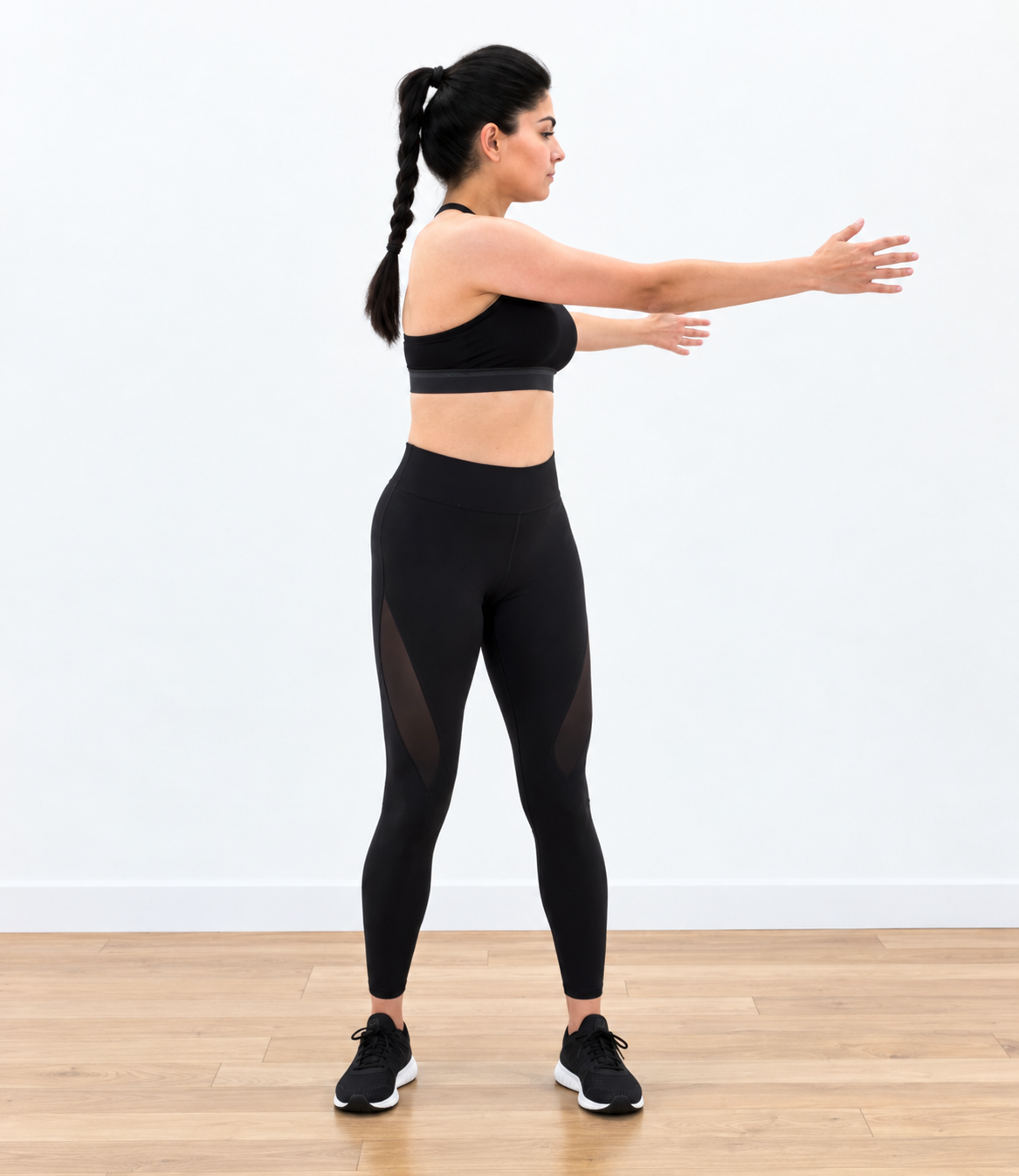
Another often overlooked aspect of walking is the importance of swinging your arms. In our modern world, where many of us hold our phones or keep our hands in our pockets, the natural arm swing can easily be forgotten. However, swinging your arms as you walk is essential for proper body mechanics. It promotes torso rotation, helping your spine move more naturally, and increases hip extension, allowing for a more efficient gait. This arm movement also helps balance and propel your body forward, making your walk more effective and biomechanically sound.

How Many Steps Should You Aim For?

You've likely heard the recommendation to walk 10,000 steps a day. However, this number is somewhat arbitrary. It originated from a Japanese marketing campaign in the 1960s and has since become a widely accepted target. But it’s not a magic number.

The truth is, your step goal depends on where you’re starting from. If you’re currently not walking much at all, aiming for 10,000 steps right away may feel overwhelming. Instead, start with a smaller, more manageable number. For example, 6,000 steps per day could be a great starting point for some people. Over time, gradually increase your step count as your fitness level improves.

Walking in Terms of Minutes

If you prefer tracking time rather than steps, the Canadian Physical Activity Guidelines recommend that adults get at least 150 minutes of moderate-to-vigorous aerobic activity per week, which can include brisk walking. This breaks down to about 30 minutes of walking five days a week. You can split this into shorter bouts throughout the day to make it more manageable.

However, remember that for walking to count as moderate activity, it needs to raise your heart rate. For someone who’s conditioned, a brisk pace or walking uphill may be necessary to achieve this.

What Does the Science Say?

Recent research supports the idea that you don’t need to hit 10,000 steps daily to reap the health benefits. A 2021 study published in the journal JAMA Network Open found that walking 7,000 steps per day was associated with a lower risk of mortality compared to fewer steps. Other studies suggest that even 4,000-5,000 steps per day can improve health outcomes, especially when combined with more vigorous activity.

The key takeaway from recent literature is that every step counts, and the more you walk, the better. However, pushing yourself to an arbitrary goal like 10,000 steps may not be necessary, especially if you’re starting from a lower baseline.

Start Where You Are

If you’re new to walking or have been inactive, don’t be discouraged if you’re not hitting 10,000 steps. Start with what’s achievable for you. If that’s 2,000 steps a day, that’s great! Gradually increase your steps each week as your fitness improves. You’ll still enjoy significant health benefits even at lower step counts, and consistency is more important than perfection.

The Bottom Line

Walking is one of the most accessible forms of movement available to us, but its impact depends on your fitness level and goals. For some, it’s an excellent cardiovascular workout, while for others, it’s a way to stay active, improve mental clarity, and combat the sedentary lifestyle. Instead of focusing on an arbitrary number of steps, find a level that works for you and build from there. Whether it’s in terms of steps or minutes, walking more is always a step in the right direction—just don’t forget to swing your arms and, if possible, get out in nature!

Exercise and Type 2 Diabetes: Benefits, Recommendations, and Safety Considerations

Exercise is one of the most effective tools for managing type 2 diabetes. Not only does it improve blood sugar control, but it also enhances overall health and well-being. However, if you or someone you coach has type 2 diabetes, it’s essential to understand how to exercise safely and effectively. In this post, we’ll explore the benefits of both cardio and strength training, the recommended frequency of each type of exercise, and important considerations for a safe workout routine.

Why Exercise is Crucial for Managing Type 2 Diabetes

Type 2 diabetes is characterized by insulin resistance, where the body either doesn’t produce enough insulin or can’t use it efficiently. This leads to high blood sugar levels, which can cause long-term health issues if left uncontrolled. Exercise helps by improving insulin sensitivity and allowing muscles to better use glucose, which can lead to more stable blood sugar levels.

Cardio and strength training are the two primary types of exercise that offer unique benefits for managing diabetes:

Benefits of Cardio Exercise

Cardiovascular exercise, such as walking, cycling, or swimming, is excellent for:

  • Improving Insulin Sensitivity: Regular aerobic exercise helps your body use insulin more effectively, lowering blood sugar levels.

  • Lowering Blood Sugar Levels: Cardio uses glucose as a primary energy source, helping to stabilize levels during and after exercise.

  • Enhancing Heart Health: With a higher risk of heart disease, those with diabetes benefit greatly from cardio’s positive effects on heart function, blood pressure, and cholesterol.

  • Supporting Weight Loss: Cardio burns calories, which helps in managing body weight and reducing fat, especially around the abdomen, which is closely linked to insulin resistance.

Benefits of Strength Training

Strength training, such as weightlifting, bodyweight exercises, or resistance band workouts, offers these benefits:

  • Increased Muscle Mass: Muscle tissue is a major site for glucose storage and use, so building muscle can enhance long-term blood sugar control.

  • Better Glucose Uptake: Resistance training increases insulin sensitivity, helping glucose enter muscle cells more effectively.

  • Sustained Blood Sugar Control: The more muscle you have, the higher your resting metabolic rate, meaning your body uses more glucose even when you’re not exercising.

  • Improved Bone and Joint Health: Strength training is vital for bone density, joint function, and long-term mobility, reducing the risk of falls and fractures.

How Often Should You Exercise?

For optimal diabetes management, a combination of both cardio and strength training is recommended:

Cardio (Aerobic Exercise)

  • Frequency: 3-5 days per week.

  • Duration: Aim for at least 150 minutes of moderate-intensity cardio (like brisk walking) or 75 minutes of vigorous-intensity cardio (like running) per week. This can be broken down into 30 minutes most days of the week.

  • Intensity: Moderate to vigorous, depending on your fitness level and goals.

Strength Training (Resistance Exercise)

  • Frequency: At least 2-3 non-consecutive days per week.

  • Intensity: Perform 2-3 sets of 8-12 repetitions per exercise, targeting all major muscle groups (legs, back, chest, shoulders, arms, and core).

Combining cardio and strength training not only offers the best results for blood sugar control but also improves overall health and reduces the risk of complications associated with type 2 diabetes.

Safety Considerations: What Coaches and Clients Should Be Aware Of

While exercise is highly beneficial, there are some important considerations to keep in mind to ensure safety and effectiveness:

1. Blood Sugar Management:

  • Pre-Exercise Check: Before starting exercise, check blood glucose levels. If levels are below 5.5 mmol/L (100 mg/dL), consider having a small snack to avoid hypoglycemia. If levels are above 13.9 mmol/L (250 mg/dL) and ketones are present, exercise should be avoided until levels stabilize.

2. Hypoglycemia (Low Blood Sugar):

  • Symptoms of hypoglycemia include shakiness, dizziness, sweating, and confusion. Always have a fast-acting carbohydrate source (like glucose tablets or juice) available in case of low blood sugar.

3. Hyperglycemia (High Blood Sugar):

  • Be cautious if blood sugar levels are very high (above 16.7 mmol/L or 300 mg/dL), as exercise could worsen symptoms. Monitor for signs like excessive thirst, fatigue, or blurred vision.

4. Medication Timing:

  • Some diabetes medications can increase the risk of hypoglycemia during exercise. It’s important to time exercise sessions to avoid peaks in medication effects.

5. Hydration:

  • Proper hydration is crucial, especially since dehydration can lead to elevated blood sugar levels. Drink water before, during, and after exercise.

6. Foot Care:

  • Foot health is critical for people with diabetes. Proper footwear, regular foot inspections, and being mindful of any sores or blisters are essential.

7. Cardiovascular Health:

  • People with diabetes have a higher risk of heart disease, so it’s important to monitor for any signs of cardiovascular distress, such as chest pain or shortness of breath.

8. Post-Exercise Monitoring:

  • Blood sugar can drop hours after exercise, especially with high-intensity workouts. Encourage clients to monitor their levels for several hours post-exercise.

9. Progressive Intensity and Adaptation:

  • Start gradually and adjust exercises based on the individual’s fitness level and health status. Modifications may be needed for those with joint issues or other complications.

10. Open Communication:

  • Consistent communication between coach and client is key. Checking in about how the client feels during and after exercise ensures a safe and effective workout plan.

Conclusion

Exercise is a powerful tool for managing type 2 diabetes, and the combination of cardio and strength training provides the best results. With proper planning, monitoring, and awareness of the client’s condition, coaches can help individuals with type 2 diabetes enjoy the benefits of exercise while minimizing risks. Whether you’re focusing on improving insulin sensitivity, stabilizing blood sugar, or enhancing overall health, a balanced exercise routine can make a significant difference.


Remember: Always consult with a healthcare provider before starting a new exercise routine, especially if you’re managing a chronic condition like type 2 diabetes.