Training

We Don’t Use These Gym Cues Anymore—Here’s Why!

In the world of fitness, certain cues and phrases have become ingrained in our minds over time. They've been passed down from coach to coach, from gym to gym, becoming gospel for many. But what if I told you that some of these cues might not be as effective as we once thought?

At Avos Strength, we've started to challenge the old ways of thinking when it comes to coaching movements and exercises. We believe that questioning these common cues is essential for helping our clients achieve optimal performance and prevent injury.

Let's take a closer look at some of these cues and why we've started to reconsider them:

  1. "Squeeze the glutes." While this cue is meant to activate the glutes, it can often lead to pelvic dumping and improper alignment. Instead, we encourage our clients to focus on pushing through the medial arch of the foot, which helps engage the glutes while maintaining proper pelvic position.

  2. "Squeeze your shoulder blades together." This cue, commonly used during back exercises like rows, can create unnecessary compression between the T5-7 area of the spine. Instead, we cue our clients to lead with the elbow, which promotes optimal glenohumeral rhythm (shoulder blade movement) and reduces the risk of over-compression in the upper back.

  3. "Squeeze/brace your abs." While activating the core is important for stability, simply squeezing/bracing down on the abs can lead to an over-reliance on the rectus abdominis and neglect other core muscles. Instead, we teach our clients to brace the core by maintaining a neutral pelvis and using a full exhale to engage the deep core muscles, such as the transverse abdominis and obliques.

By questioning these common cues and adopting a more nuanced approach to coaching, we've seen incredible results with our clients. They move more efficiently, reduce their risk of injury, and achieve their fitness goals more effectively.

So, if you've been told these cues in the past or are currently using them as a coach, we encourage you to ask yourself why. Is there a better way to cue the movement? Is there a more effective way to help your clients achieve their goals? By challenging old paradigms and embracing new perspectives, we can continue to evolve and improve the fitness industry for the benefit of both coaches and clients alike.

Strengthening Bonds and Bodies: The Power of Corporate Group Training for Team Building

In today's fast-paced corporate world, where deadlines loom large and stress levels soar, fostering a sense of camaraderie and teamwork among employees is crucial for success. As companies strive to enhance productivity and employee satisfaction, innovative approaches to team building are gaining traction. One such approach that has been gaining popularity is corporate group training, where colleagues come together to sweat it out and strengthen not only their bodies but also their bonds.

Fitness has long been recognized for its ability to improve physical health and well-being. However, its impact extends far beyond the confines of the gym. When incorporated into a corporate setting, group training sessions offer a unique opportunity for employees to connect, collaborate, and communicate outside the usual office environment. Here's how corporate group training contributes to team building:

  1. Shared Goals and Achievements: In a group training session, employees work towards a common goal – whether it's completing a challenging workout, achieving a personal best, or simply pushing through mental barriers. Sharing these experiences creates a sense of unity and fosters a team spirit where everyone celebrates each other's successes.

  2. Breaking Down Hierarchies: In the gym, titles and job descriptions take a back seat to sweat and effort. Group training sessions provide a level playing field where employees of all levels can interact on a more personal level. This helps break down hierarchical barriers, fostering open communication and collaboration across departments and teams.

  3. Building Trust and Support: Group workouts often involve partner exercises or team challenges that require trust and cooperation. When colleagues rely on each other to complete a workout or reach a fitness goal, bonds of trust are strengthened. This trust transcends the gym and carries over into the workplace, where colleagues feel more supported and connected to one another.

  4. Stress Reduction and Improved Morale: Exercise is a proven stress reliever, releasing endorphins that boost mood and energy levels. By incorporating regular group training sessions into the workweek, companies can help employees manage stress more effectively, leading to improved morale and a more positive work environment.

  5. Healthy Competition: While teamwork is essential, a bit of friendly competition can also be beneficial. Group training sessions often incorporate elements of friendly competition, such as team challenges or friendly races. This healthy competition encourages employees to push themselves further while also fostering a sense of camaraderie and sportsmanship.

  6. Promoting Work-Life Balance: Encouraging employees to prioritize their health and fitness sends a powerful message about the company's commitment to employee well-being. By providing opportunities for group training during work hours or offering fitness incentives, companies demonstrate their support for maintaining a healthy work-life balance.

  7. Enhanced Communication Skills: Effective communication is essential for successful teamwork. Group training sessions provide a non-traditional setting for colleagues to interact, communicate, and problem-solve together. Whether it's coordinating movements during a group exercise or offering encouragement to a struggling teammate, employees have the opportunity to hone their communication skills in a supportive environment.

In conclusion, corporate group training offers far more than just physical benefits – it's a powerful tool for fostering teamwork, building relationships, and creating a positive work culture. By investing in the health and well-being of their employees through group fitness initiatives, companies can reap the rewards of a stronger, more cohesive team ready to tackle any challenge that comes their way. So, let's lace up our sneakers, break a sweat, and build stronger teams, one workout at a time.

Strength Training For Trail Running

Trail running isn't just a sport; it's a captivating journey through rugged terrain, demanding both physical resilience and mental fortitude. As trail running gains popularity among fitness enthusiasts and adventurers, the importance of strength training in preparing for these exhilarating runs cannot be overstated. Beyond just logging miles on the trail, incorporating strength training into your regimen can be the key to unlocking your full potential as a trail runner.

The Unique Demands of Trail Running

Unlike road running, trail running presents a myriad of challenges. Trails are often uneven, with varying inclines, declines, obstacles, and surfaces. The constant changes in terrain demand exceptional balance, stability, and muscular endurance. Moreover, trail runners must navigate steep ascents and descents, requiring significant lower body strength and power to conquer challenging climbs and maintain control during treacherous descents.

Why Strength Training Matters

Strength training serves as the foundation upon which trail runners build strength, power, and efficiency.

At Avos we are a huge fan of the Trap Bar Deadlift - especially for our tall runners

Here are several reasons why strength training is indispensable for trail runners:

  1. Injury Prevention: Trail running places immense stress on the body, increasing the risk of overuse injuries and muscular imbalances. Strength training helps mitigate these risks by strengthening muscles, tendons, and ligaments, enhancing joint stability, and correcting imbalances. A well-rounded strength training program can address weak areas, reduce the likelihood of injury, and promote longevity in the sport.

  2. Enhanced Performance: Strength training enhances the body's ability to generate power, endure fatigue, and maintain proper form over long distances. Stronger muscles provide the support and propulsion necessary to tackle steep climbs, power through technical terrain, and navigate challenging descents with confidence. By improving strength and efficiency, trail runners can sustain higher speeds, conquer formidable obstacles, and excel in varying distances and difficulties.

  3. Improved Running Economy: Running economy, the measure of how efficiently a runner uses oxygen at a given pace, is crucial for endurance athletes. Strength training contributes to improved running economy by enhancing biomechanical efficiency, optimizing muscle recruitment patterns, and reducing excess energy expenditure. As a result, trail runners can cover greater distances with less effort, allowing for faster race times and improved overall performance.

  4. Mental Resilience: Trail running is as much a mental challenge as it is a physical one. Strength training cultivates mental resilience by instilling discipline, focus, and determination. Moreover, it allows individuals to have the confidence in their strength and conditioning to not have to worry as much about being injured and super fatigued. Being strong in the weight room and pushing yourself helps teach runners to embrace discomfort, overcome obstacles, and persevere in the face of adversity—essential qualities for success in trail racing.

Designing a Strength Training Program:

When writing a strength training program for trail running, it's advisable to include a variety of exercises that target key muscle groups, address weaknesses, and complement running-specific training sessions. Incorporate a diverse mix of bodyweight movements, resistance training, and plyometrics to enhance core stability, lower body strength, balance, and flexibility. Prioritize exercises like squats, lunges, deadlifts, calf raises, planks, and single-leg movements to strengthen muscles used in running and improve stability on uneven terrain. Ensure that your program progressively challenges your muscles while allowing for sufficient recovery to optimize gains in strength, endurance, and performance on the trails.

Conclusion:

In the dynamic world of trail running, strength training serves as an important tool for unlocking peak performance, preventing injuries, and mastering the challenges of rugged terrain. By integrating strength training into your training regimen, you'll not only become a stronger, more resilient runner but also embark on a transformative journey of self-discovery and exploration. So, lace up your trail shoes, hit the gym, and prepare to unleash your full potential on those trails.

In trail running, the climb is always worth it once you reach the top. Here are some clients enjoying the reward!

How Do I Get Bigger Arms and Improve Shoulder Mobility?

 Let’s be realistic here, everyone likes training their arms. But what if you could not only increase strength but also shoulder mobility?


When considering the training of these two muscle groups, it's important to understand their respective functions:

  • Biceps are responsible for flexing the arm, contributing to joint actions associated with flexion like external rotation and abduction.

  • Triceps, on the other hand, extend the arm, facilitating joint actions linked to extension such as internal rotation and adduction.


With this knowledge, we can target external rotation and flexion of the shoulder complex by incorporating biceps curls and variations into our routine. Similarly, triceps exercises can help improve internal rotation and arm extension.

Posterior Expansion for External Rotation

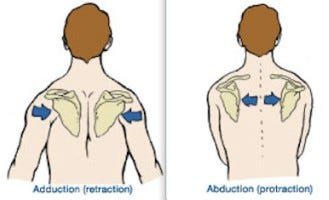
It's worth noting that shoulder external rotation and flexion are influenced by the amount of expansion and the ability to open up the back of you ribcage. Limited range of motion may result from compression or tightness in this area. To address this issue, it's essential to position the scapula (shoulder blades) in a way that allows for movement away from the spine, creating space for decompression. Abduction of the scapula facilitates this movement, as it involves shifting the scapula away from the body's midline.

Note: during ADDUCTION the scapula move toward the midline of the body which compresses this area (those muscles are concentrically oriented). During ABDUCTION the scapula move away from the mid line which allows provides space and therefore expansion in this area.

BICEPS

Curl variations are particularly effective in promoting scapular abduction, as they encourage natural movement of the scapula during elbow flexion, thereby opening and decompressing the upper back.

For instance, performing curls in a deep squat position with cables can enhance this effect. The deep squat necessitates back decompression, which can be further facilitated by using a wedge.  This drill can help open up space to restore shoulder external rotation and flexion.


Another example involves preacher curls with a focus on active rotation:

During the preacher curl, introducing a slight turn to the working side naturally creates space between the scapula and spine in the upper back area (by closing off the front of the chest). This action generates a subtle stretch that can be felt between the spine and scapula, contributing to the decompression of that space and facilitating more opening of the ribcage as you inhale and execute the curl.

Anterior Expansion for Internal Rotation

Shoulder internal rotation and extension are influenced by the amount of expansion and the ability to open up the front of your ribcage. If you are compressed in this area, you will be limited in shoulder internal rotation and extension. There are multiple ways that we can promote expansion to these areas. The first one being gravity. If you imagine a bottle of water that is horizontal, the water will all pool on the bottom of the bottle. Our bodies are analagous to that water, if we put ourselves in a bent over or quadruped position, and our breathe is what can help drive expansion of our ribcage in these positions. Another way is to influence joint positions. Pronation of the forearm leads to Internal rotation of the humerus and External rotation and Adduction of the scapula which helps to promote anterior expansion of the ribcage.

TRICEPS

In this position we are able to use our breath to promote expansion at the front of our chest which can help improve shoulder internal rotation. The bent over posted position also further promotes expansion at the front of our chest.


In this drill the pronated hand helps drive internal rotation at the forearm, scapula adduction and external rotation (concentrically closing off the back) to open up the front of the chest.


I will usually perform 3 sets of 10-12 controlled reps. Breathe in through the nose (this will allow optimal expansion of the ribcage) and exhale with an open mouth on each rep.

So next time you add some arm accessory work to your program, think about how you can best promote some mobility gains in addition to getting an arm pump.

Understanding Your Body: The Role of a Kinesiologist in Personal Fitness

Embarking on a fitness journey is a commendable decision that can positively impact various aspects of your life. Whether you're aiming to shed a few pounds, build muscle, or enhance overall well-being, understanding your body is a crucial first step. In this pursuit, a key ally can be found in the expertise of a kinesiologist. In this blog post, we will delve into the pivotal role a kinesiologist plays in personal fitness, shedding light on the science behind movement and the benefits of seeking professional guidance.

Understanding Kinesiology:

Kinesiology is the study of human movement, encompassing anatomy, physiology, biomechanics, and neuroscience. A kinesiologist is a specialist in this field, possessing a deep understanding of how the body moves and functions. Their knowledge extends beyond mere exercise routines, focusing on the science behind movement patterns, muscle function, and the intricate interplay between various physiological systems.

Assessment and Individualized Programs:

One of the primary roles of a kinesiologist is to conduct a comprehensive assessment of an individual's physical condition. This may involve evaluating posture, flexibility, strength, and identifying any imbalances or limitations. Through these assessments, a kinesiologist gains valuable insights into a person's unique physiological profile, allowing them to create personalized fitness programs tailored to specific needs and goals.

Avos Strength Comprehensive Assessment guides program design specific to you

Preventing and Rehabilitating Injuries:

Understanding the body's mechanics enables kinesiologists to identify potential areas of vulnerability and design exercise regimens that minimize the risk of injuries. Moreover, for individuals recovering from injuries, a kinesiologist plays a crucial role in rehabilitation by implementing targeted exercises to restore strength, flexibility, and functionality. This personalized approach aids in a faster and more effective recovery, reducing the likelihood of recurring injuries.

Enhancing Performance:

Whether you're an athlete seeking to improve performance or an individual aiming for optimal fitness, a kinesiologist can be a game-changer. By analyzing movement patterns and biomechanics, they can fine-tune training programs to maximize efficiency and boost overall performance. This not only helps in achieving fitness goals but also enhances the enjoyment and sustainability of the exercise routine.

Educating and Empowering Clients:

In addition to designing exercise programs, kinesiologists play a vital role in educating clients about the importance of proper movement and the impact of physical activity on overall health. Armed with this knowledge, individuals are empowered to make informed choices about their fitness journey, fostering a long-term commitment to a healthy lifestyle.

In the realm of personal fitness, the guidance of a kinesiologist can be a transformative force. Their expertise in understanding the intricacies of the human body goes beyond traditional fitness training, providing a holistic approach to health and well-being. By working with a kinesiologist, individuals can unlock their body's full potential, reduce the risk of injuries, and embark on a journey towards sustainable, lifelong fitness. So, if you're looking to truly understand your body and optimize your fitness experience, consider the invaluable partnership with a kinesiologist – the key to unlocking the full potential of your physical well-being. Contact Avos Strength today to book a Free on boarding call to discuss how we can help you reach your goals.

Why Your Mobility and Stretching is Not Working

Unlocking True Mobility: The Power of Relaxation Over Force

In the world of fitness, the pursuit of improved mobility often takes a backseat to the prevailing belief of "harder, faster, stronger." Unfortunately, this mindset can lead individuals to overlook a crucial aspect of mobility training – the difference between forcing the body into a stretch and the transformative power of progressive relaxation. In this blog post, we'll delve into why your mobility training might not be working and explore the misconception that more effort always yields better results.


The Misconception of "More Effort = Better Results":

1. Fight or Flight vs. Rest and Digest:

One of the primary reasons more effort doesn't always translate to better mobility is the impact on the nervous system. More effort tends to activate the sympathetic nervous system, triggering the "fight or flight" response. When our nervous system perceives a threat, it tightens muscles and restricts movement, hindering the very progress we aim to achieve in mobility training.

2. Creating a Safe Environment:

Mobility work involves repositioning drills and stretching exercises to reach new ranges of motion. However, if the body interprets these positions as threatening, progress becomes stunted. For lasting improvement, it's crucial to create an environment where the body feels safe and secure, encouraging the activation of the parasympathetic nervous system – the "rest and digest" state.


The Sympathetic vs. Parasympathetic Nervous System:

1. Sympathetic Nervous System (SNS):

  • Activated during stress or perceived threats.

  • Triggers the "fight or flight" response.

  • Can inhibit mobility gains due to heightened muscle tension and restricted movement.

2. Parasympathetic Nervous System (PNS):

  • Activated during relaxation and rest.

  • Promotes the "rest and digest" response.

  • Facilitates improved mobility by reducing muscle tension and allowing for greater flexibility.

The Role of Controlled Respiration (Breathing):

1. Breath and Parasympathetic Activation:

  • Controlled breathing is a powerful tool to shift the body into the parasympathetic nervous system.

  • If you can't breathe comfortably in a position, you likely don't own it, and your body may interpret it as a stressor.

2. The Importance of Feeling Safe:

  • A relaxed state during mobility drills signals safety to the nervous system, allowing for greater adaptability and long-term improvement.

“I felt great for a few hours after my massage and then it went right back to what it was before”

- says almost everyone

The Missing Link: Training After Mobility Work

While mobility drills and breathing exercises are critical to unlocking new ranges of motion, there's a common mistake many people make – they stop there. Whether it's after a massage, physio, or chiropractic session, too often people experience temporary relief, only to have their body revert back within hours or days. Why? Because the nervous system hasn't been taught what to do with that new range of motion.

In order to retain and solidify the mobility gains you've just achieved, it's essential to follow up with training or neural stimulation. Your body needs to experience controlled movement in this new range so that it can "remember" and integrate it into your movement patterns.

Why Training Is Key:

When you mobilize, you're creating new possibilities for movement. But without reinforcing it through strength training or neuromuscular engagement, your nervous system doesn't fully integrate these gains. This often leads the body to revert to its previous, more limited movement patterns. By training after mobility work, you’re helping your body understand and use this new range of motion effectively, preventing the regression that so many experience.

Think of it this way: Mobility gives you the access to more range, and training teaches your body how to control and own that new range. To retain and sustain long-term mobility, it's crucial to follow the process of mobilize, then train.

Recap: The One - Two Punch

The key takeaway from the misconception of "more effort, better results" in mobility training is the importance of relaxation over force. However, once you've created a safe and relaxed environment for mobility, the next step is to train or engage in some form of neural stimulus to lock in that newfound range. By understanding the role of the nervous system and the value of progressive relaxation followed by structured movement, you unlock not just short-term gains but sustainable, long-term flexibility and functional movement.

Embrace the power of relaxation, and remember – mobilize, then train for lasting results.

For Free mobility videos click here or to book in a Free Onboarding Call click here.