exercise programming

You Should Not Get Injured During a Training Session

Written by Evelyn Calado, MKin, CSCS, RKin

If you leave a training session injured, something has gone wrong.

That is not normal. It should not be expected. And it is not part of “training hard.”

I have been in this industry for over a decade, and I have seen far too many situations where clients get hurt in the weight room. Not because of bad luck, but because of poor decisions.

The Gym Should Be One of the Safest Places You Train

Think about it.

The weight room is a controlled environment.

  • You control the load

  • You control the movement

  • You control the pace

  • You control the rest

Compare that to sport, where there are opponents, unpredictable movements, and variables you cannot control.

In theory, your injury risk in the gym should be extremely low.

That does not mean training is easy. You should still be challenged. You should still push your limits.

But it should be done in a controlled and intentional way.

Where Things Go Wrong

Most training-related injuries are not random. They come from avoidable mistakes.

1. Ego-Based Training

This is one of the biggest issues.

A client walks in, maybe they look strong or athletic, and the session becomes about proving something. The load goes up too quickly, technique breaks down, and fatigue is ignored.

That is how people get hurt.

2. No Plan

This is more common than people think.

Clients come in and have no idea what they are doing that day. The trainer is choosing exercises on the spot with no structure, no progression, and no record of previous sessions.

Without a plan, there is no progression. Without progression, there is no direction. And without direction, you are just accumulating risk.

3. Poor Exercise Sequencing

Fatigue matters.

If someone is pushed to the point of exhaustion through their legs and core, and then asked to perform a heavy compound lift, that is a problem.

That is not “hard training.” That is poor decision-making.

4. Ignoring the Individual

Not every client should move the same way.

Mobility, injury history, movement patterns, and training experience all matter. If those are ignored, you are forcing someone into positions they are not prepared for.

That is where breakdown happens.

Soreness Is Not the Goal

Another misconception is that a good session should leave you unable to move.

If your trainer’s goal is to completely destroy you, that is a red flag.

  • You should not struggle to sit at your desk

  • You should not be unable to walk for days

  • You should not feel worse instead of better

Anyone can make you tired.

It takes skill to build a program that challenges you, progresses you, and still allows you to function.

What Good Training Actually Looks Like

Good training is not random. It is structured.

  • There is a clear plan

  • There is progression over time

  • Your loads and performance are tracked

  • Exercises are selected for a reason

  • Intensity is managed, not guessed

You are pushed, but within your capacity.

You improve, without being completely broken down in the process.

Playing the Long Game

At Avos Strength, the focus is simple:

Train. Play. Repeat.

The goal is not to win a single session. The goal is to keep you training consistently, improving over time, and continuing to do the things you enjoy.

That means:

  • Checking your ego at the door

  • Building progressively

  • Respecting your current capacity

  • Training with intention

The Bottom Line

The gym should not be where you get injured.

Can things happen occasionally? Yes. But injuries should be rare, not expected.

If you have worked with a trainer and felt unsafe, unsupported, or left sessions worse than when you walked in, that is not something you should accept.

You deserve better coaching than that.

The Limb Arc Model: Why You Should Train the Range of Motion You Actually Own

Written by Evelyn Calado, MKin, CSCS, RKin

If you’ve ever wondered why:

  • Your knees cave in at the bottom of a squat

  • Your low back extends when the weight gets heavy

  • One hip always feels “stuck” at 90°

  • Or mobility drills don’t seem to transfer to strength

…you’re probably running into a concept explained by the Limb Arc Model.

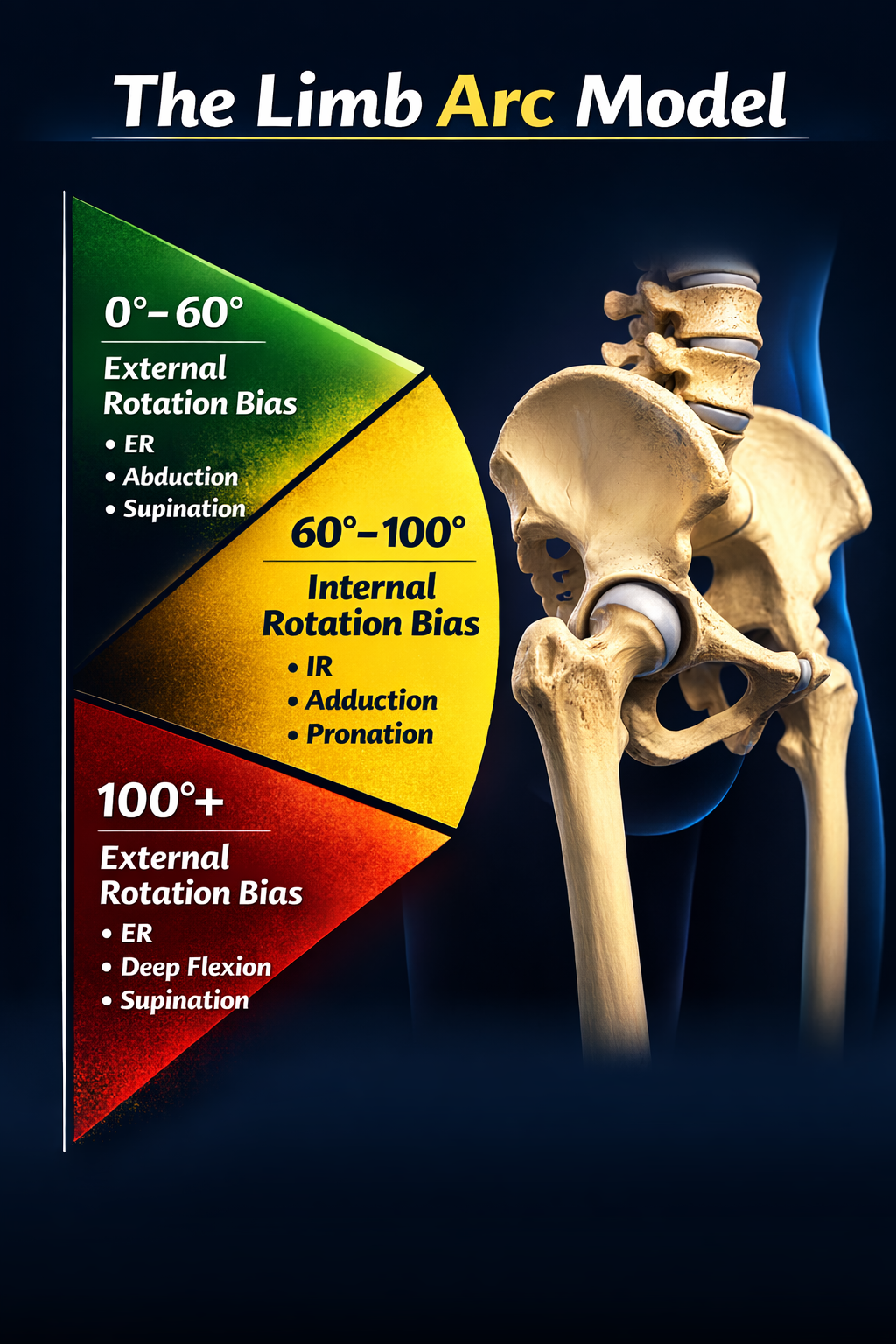
This model, commonly attributed to Bill Hartman, describes how rotational bias changes across ranges of joint flexion — particularly at the hip. And once you understand it, exercise selection becomes dramatically more logical.

Let’s break it down.


What Is the Limb Arc Model?

The Limb Arc Model proposes that rotational leverage changes as a joint moves through flexion.

At the hip specifically:

  • Early flexion favors external rotation (ER)

  • Mid-range flexion favors internal rotation (IR)

  • Deep flexion returns to an external rotation bias

This is not arbitrary. It reflects changes in joint geometry, length tension relationships, and moment arms.

Most people train hip flexion as if it is one continuous quality. It is not. It is three mechanically distinct regions.

That shift matters for:

  • Squats

  • Deadlifts

  • Split squats

  • Gait mechanics

  • Sport performance

  • Injury risk

The Hip Flexion Arc Explained

Here’s the simplified breakdown:

0–60° Hip Flexion → External Rotation Bias

In early hip flexion, the joint favors:

  • External rotation

  • Abduction

  • Supination at the foot

  • Sacral counternutation

In gait, this corresponds most closely with early stance, when the heel has contacted the ground and the pelvis is relatively externally rotating as load is being accepted.

In the gym, this is the top portion of a squat or the early phase of a hinge.

External rotators and abductors have favorable leverage here.

60–100° Hip Flexion → Internal Rotation Bias

Around 90° hip flexion:

  • Internal rotators and adductors have improved leverage

  • Length–tension relationships favor IR

  • The piriformis shifts moment arm toward IR

  • The sacrum moves toward nutation

  • The foot transitions toward pronation

In gait, this corresponds most closely with mid stance, when the pelvis is internally rotating on the femur and vertical ground reaction forces are highest.

In a squat, this is typically around parallel.

100°+ Hip Flexion → Returns to External Rotation Bias

As you approach deep hip flexion:

  • The system transitions back toward ER

  • Supination strategies often reappear

  • External rotators regain leverage

This helps explain why some people feel “better” deep in a squat even if they struggle at parallel. They are returning to a range where external rotation leverage increases again.


Why Internal Rotation at 90° Matters

Most loaded bilateral lower-body exercises demand control around 60–100° hip flexion.

If internal rotation is limited in that range, common compensations show up:

  • Knee valgus

  • Lumbar extension

  • Butt wink

  • Hip shifting

  • Over-pronation

  • Gripping with toes

This is not always a strength problem.

It’s often a relative motion problem.

The joint is being asked to produce force in a range it does not control. When the femur is not internally rotating relative to the pelvis, the pelvis, spine, or foot moves instead.


“Train within the Range You Own”

Here’s where this becomes practical.

Owning a range means:

  • You can access it

  • You can control it

  • You can breathe in it

  • You can maintain joint relationships without compensating

If you lack IR at 90°, loading it heavily won’t fix it.

It may:

  • Reinforce compensations

  • Drive orientation strategies (like anterior pelvic tilt)

  • Increase compressive strategies instead of restoring motion

Instead, you might need:

  • Split squats that bias mid-stance

  • Exercises emphasizing medial arch contact

  • Internal rotation control drills

  • Breathing-based repositioning work

  • Heel references to restore early stance mechanics

Force production should follow motion restoration — not precede it. Ie; Restore control first. Then add load.


How This Applies to Programming

The Limb Arc Model gives you a filter for exercise selection.

The question is not whether someone “has internal rotation.”

The question is where in the arc they lose control.

If Control Breaks Down Between 0 and 60 Degrees

You will see:

  • Difficulty accepting load at the top of the squat

  • Poor heel contact

  • Immediate external rotation gripping

  • Early lumbar extension

In this case, reinforce early stance mechanics.

Use closed chain drills that emphasize heel reference and controlled external rotation.
Keep the hip in the zero to sixty degree range and teach load acceptance without extension strategies.

The goal is stable external rotation control in early hip flexion.

If Control Breaks Down Between 60 and 100 Degrees

You will see:

  • Knee valgus at parallel

  • Hip shift at ninety degrees

  • Lumbar extension at the sticking point

  • Loss of medial arch control

This is the most common presentation.

Here, you bias time spent in sixty to one hundred degrees of hip flexion in closed chain.


Split squat variations are useful when organized correctly because they allow:

  • Pelvis on femur relative motion

  • Clear stance leg reference

  • Control of hip flexion angle

  • Moderate load that does not overwhelm internal rotation capacity

The key is managing support and load so that the pelvis can internally rotate on the femur without defaulting into orientation strategies such as anterior pelvic tilt or lateral shift.

This is not about making someone balance harder.

It is about placing them in the internal rotation biased window and allowing them to control it.

If Control Breaks Down Beyond 100 Degrees

You will see:

  • Instability or collapse in deep squat

  • Over reliance on passive structures

  • Loss of tension in the bottom

In this case, gradually expose the athlete to deeper flexion under controlled conditions, restoring external rotation leverage without compensatory lumbar flexion.


Why This Model Is Powerful

The Limb Arc Model connects:

  • Gait

  • Breathing mechanics

  • Pelvic motion

  • Squat depth

  • Performance

  • Compensation patterns

It explains why:

  • One depth feels strong and another feels unstable

  • Deep squats don’t fix mid-range weakness

  • “Mobility” doesn’t always transfer to strength

Because leverage changes as joint angles change.

And if you don’t own the transition between those zones, the body will compensate.


Final Takeaway

The Limb Arc Model isn’t about stretching more.

It’s about understanding that:

Rotational demands shift as joints move through flexion.

And if you load a range you don’t own, your body will borrow motion from somewhere else.

Train the range you control.

Then expand it.

That’s how you build durable strength.

Learn more about how we assess movement and build individualized programs at Avos Strength.


Exercise and Type 1 Diabetes: Benefits, Recommendations, and Safety Considerations

Type 1 diabetes presents unique challenges when it comes to managing blood sugar levels, but exercise can be a highly effective tool in maintaining overall health and stability. However, for individuals with type 1 diabetes—or for those coaching them—it’s essential to approach exercise with a clear understanding of the condition’s unique demands. This post will explore the benefits of physical activity, the types of exercise most suitable for people with type 1 diabetes, and critical safety tips to ensure a balanced, effective workout routine.

Why Exercise Matters for Managing Type 1 Diabetes

Type 1 diabetes is an autoimmune condition in which the pancreas produces little or no insulin, requiring individuals to use external insulin to regulate blood sugar. Unlike type 2 diabetes, which is often associated with insulin resistance, managing type 1 diabetes involves balancing insulin doses with blood sugar levels, diet, and physical activity. Exercise plays a crucial role in this balance by:

  • Improving Insulin Sensitivity: Exercise makes muscle cells more receptive to insulin, allowing them to take in more glucose and helping stabilize blood sugar levels.

  • Enhancing Cardiovascular Health: People with type 1 diabetes have an increased risk of heart disease. Cardiovascular exercise strengthens the heart, lowers blood pressure, and improves cholesterol levels.

  • Supporting Mental Health: Regular physical activity releases endorphins, which can reduce stress, anxiety, and symptoms of depression that people with chronic conditions may experience.

Benefits of Cardio and Strength Training

Both cardio and strength training are beneficial, but each offers unique advantages for people managing type 1 diabetes.

Cardiovascular Exercise

Engaging in aerobic exercise, such as brisk walking, running, or swimming, is excellent for:

  • Improving Heart Health: Cardio exercises strengthen the heart and improve circulation, essential for individuals at risk of cardiovascular issues.

  • Enhanced Insulin Efficiency: Cardio improves how cells use glucose, making it easier to keep blood sugar levels within target ranges during and after exercise.

  • Mood Enhancement: The endorphin release from cardio exercise can be particularly beneficial in managing the mental health challenges that can accompany type 1 diabetes.

Strength Training

Strength training, including weightlifting and bodyweight exercises, provides specific benefits, such as:

  • Increased Muscle Mass: Muscle mass helps with glucose uptake and storage, which contributes to improved blood sugar control.

  • Boosted Metabolism: Strength training raises the resting metabolic rate, meaning more calories (and glucose) are burned even at rest.

  • Improved Bone and Joint Health: Strength training can enhance bone density and joint function, reducing the risk of fractures and maintaining long-term mobility.

Recommended Exercise Frequency

For optimal health and blood sugar management, a balanced exercise regimen combining both cardio and strength training is ideal:

Cardio (Aerobic Exercise)

  • Frequency: Aim for 3-5 days per week.

  • Duration: 150 minutes of moderate-intensity cardio (such as brisk walking) or 75 minutes of vigorous-intensity cardio (such as running) each week.

  • Intensity: Adjust intensity based on individual fitness levels, aiming for moderate to vigorous effort.

Strength Training (Resistance Exercise)

  • Frequency: At least 2-3 days per week, with exercises targeting all major muscle groups (legs, back, chest, shoulders, arms, and core).

  • Sets & Reps: Aim for 2-3 sets of 8-12 repetitions per exercise to build muscle strength and endurance.

Combining both types of exercise supports stable blood sugar levels, enhances physical fitness, and reduces diabetes-related health risks.

Safety Considerations for Exercise with Type 1 Diabetes

While exercise is highly beneficial, there are some important safety factors to keep in mind for those with type 1 diabetes:

  1. Pre-Exercise Blood Sugar Check:

    • Check blood sugar before exercising. If blood sugar is below 5.5 mmol/L (100 mg/dL), have a small snack to avoid hypoglycemia. If blood sugar is above 13.9 mmol/L (250 mg/dL) with ketones present, avoid exercise until levels stabilize.

  2. Managing Hypoglycemia (Low Blood Sugar):

    • Symptoms of low blood sugar include shakiness, sweating, and dizziness. Always have a fast-acting carbohydrate source, such as glucose tablets or juice, available in case of low blood sugar during or after exercise.

  3. Adjusting Insulin Doses:

    • Work with a healthcare provider to adjust insulin dosages before physical activity. Intense or prolonged exercise may require insulin adjustments to prevent drops in blood sugar levels.

  4. Post-Exercise Monitoring:

    • Blood sugar levels can drop even hours after exercise, especially following high-intensity activities. Encourage frequent monitoring after workouts to identify any delayed hypoglycemia.

  5. Hydration:

    • Dehydration can affect blood sugar levels, so drinking water before, during, and after exercise is important.

  6. Foot Care:

    • Individuals with diabetes should wear proper footwear to avoid sores and blisters, and inspect feet regularly for any signs of damage or infection.

  7. Avoiding Insulin Injection Sites in Active Muscles:

    • Injecting insulin into muscles that will be used in exercise (like the thighs before a run) can lead to faster absorption, which may increase the risk of hypoglycemia. Instead, use non-active sites, such as the abdomen, before working out.

  8. Progression and Adaptation:

    • Gradually increase the intensity and duration of workouts to avoid injury and allow the body to adapt, which is especially important for those new to regular exercise.

  9. Monitoring for Signs of Cardiovascular Distress:

    • Due to the higher risk of heart complications, individuals should watch for any signs of cardiovascular distress, such as chest pain or shortness of breath, and stop exercising immediately if symptoms arise.

  10. Communication with Healthcare Providers:

  • Regular check-ins with a healthcare provider are essential to ensure that exercise plans align with overall diabetes management and health goals.

Conclusion

For individuals with type 1 diabetes, exercise can be transformative. By improving insulin sensitivity, enhancing cardiovascular health, and promoting mental well-being, regular exercise provides lasting benefits. However, careful planning and close monitoring of blood sugar levels are crucial to a safe and effective workout routine. With proper precautions and personalized guidance, people with type 1 diabetes can experience the many advantages of a balanced exercise program.

Remember to consult with a healthcare provider before starting or modifying an exercise program, especially when managing a condition like type 1 diabetes.

Exercise and Type 2 Diabetes: Benefits, Recommendations, and Safety Considerations

Exercise is one of the most effective tools for managing type 2 diabetes. Not only does it improve blood sugar control, but it also enhances overall health and well-being. However, if you or someone you coach has type 2 diabetes, it’s essential to understand how to exercise safely and effectively. In this post, we’ll explore the benefits of both cardio and strength training, the recommended frequency of each type of exercise, and important considerations for a safe workout routine.

Why Exercise is Crucial for Managing Type 2 Diabetes

Type 2 diabetes is characterized by insulin resistance, where the body either doesn’t produce enough insulin or can’t use it efficiently. This leads to high blood sugar levels, which can cause long-term health issues if left uncontrolled. Exercise helps by improving insulin sensitivity and allowing muscles to better use glucose, which can lead to more stable blood sugar levels.

Cardio and strength training are the two primary types of exercise that offer unique benefits for managing diabetes:

Benefits of Cardio Exercise

Cardiovascular exercise, such as walking, cycling, or swimming, is excellent for:

  • Improving Insulin Sensitivity: Regular aerobic exercise helps your body use insulin more effectively, lowering blood sugar levels.

  • Lowering Blood Sugar Levels: Cardio uses glucose as a primary energy source, helping to stabilize levels during and after exercise.

  • Enhancing Heart Health: With a higher risk of heart disease, those with diabetes benefit greatly from cardio’s positive effects on heart function, blood pressure, and cholesterol.

  • Supporting Weight Loss: Cardio burns calories, which helps in managing body weight and reducing fat, especially around the abdomen, which is closely linked to insulin resistance.

Benefits of Strength Training

Strength training, such as weightlifting, bodyweight exercises, or resistance band workouts, offers these benefits:

  • Increased Muscle Mass: Muscle tissue is a major site for glucose storage and use, so building muscle can enhance long-term blood sugar control.

  • Better Glucose Uptake: Resistance training increases insulin sensitivity, helping glucose enter muscle cells more effectively.

  • Sustained Blood Sugar Control: The more muscle you have, the higher your resting metabolic rate, meaning your body uses more glucose even when you’re not exercising.

  • Improved Bone and Joint Health: Strength training is vital for bone density, joint function, and long-term mobility, reducing the risk of falls and fractures.

How Often Should You Exercise?

For optimal diabetes management, a combination of both cardio and strength training is recommended:

Cardio (Aerobic Exercise)

  • Frequency: 3-5 days per week.

  • Duration: Aim for at least 150 minutes of moderate-intensity cardio (like brisk walking) or 75 minutes of vigorous-intensity cardio (like running) per week. This can be broken down into 30 minutes most days of the week.

  • Intensity: Moderate to vigorous, depending on your fitness level and goals.

Strength Training (Resistance Exercise)

  • Frequency: At least 2-3 non-consecutive days per week.

  • Intensity: Perform 2-3 sets of 8-12 repetitions per exercise, targeting all major muscle groups (legs, back, chest, shoulders, arms, and core).

Combining cardio and strength training not only offers the best results for blood sugar control but also improves overall health and reduces the risk of complications associated with type 2 diabetes.

Safety Considerations: What Coaches and Clients Should Be Aware Of

While exercise is highly beneficial, there are some important considerations to keep in mind to ensure safety and effectiveness:

1. Blood Sugar Management:

  • Pre-Exercise Check: Before starting exercise, check blood glucose levels. If levels are below 5.5 mmol/L (100 mg/dL), consider having a small snack to avoid hypoglycemia. If levels are above 13.9 mmol/L (250 mg/dL) and ketones are present, exercise should be avoided until levels stabilize.

2. Hypoglycemia (Low Blood Sugar):

  • Symptoms of hypoglycemia include shakiness, dizziness, sweating, and confusion. Always have a fast-acting carbohydrate source (like glucose tablets or juice) available in case of low blood sugar.

3. Hyperglycemia (High Blood Sugar):

  • Be cautious if blood sugar levels are very high (above 16.7 mmol/L or 300 mg/dL), as exercise could worsen symptoms. Monitor for signs like excessive thirst, fatigue, or blurred vision.

4. Medication Timing:

  • Some diabetes medications can increase the risk of hypoglycemia during exercise. It’s important to time exercise sessions to avoid peaks in medication effects.

5. Hydration:

  • Proper hydration is crucial, especially since dehydration can lead to elevated blood sugar levels. Drink water before, during, and after exercise.

6. Foot Care:

  • Foot health is critical for people with diabetes. Proper footwear, regular foot inspections, and being mindful of any sores or blisters are essential.

7. Cardiovascular Health:

  • People with diabetes have a higher risk of heart disease, so it’s important to monitor for any signs of cardiovascular distress, such as chest pain or shortness of breath.

8. Post-Exercise Monitoring:

  • Blood sugar can drop hours after exercise, especially with high-intensity workouts. Encourage clients to monitor their levels for several hours post-exercise.

9. Progressive Intensity and Adaptation:

  • Start gradually and adjust exercises based on the individual’s fitness level and health status. Modifications may be needed for those with joint issues or other complications.

10. Open Communication:

  • Consistent communication between coach and client is key. Checking in about how the client feels during and after exercise ensures a safe and effective workout plan.

Conclusion

Exercise is a powerful tool for managing type 2 diabetes, and the combination of cardio and strength training provides the best results. With proper planning, monitoring, and awareness of the client’s condition, coaches can help individuals with type 2 diabetes enjoy the benefits of exercise while minimizing risks. Whether you’re focusing on improving insulin sensitivity, stabilizing blood sugar, or enhancing overall health, a balanced exercise routine can make a significant difference.


Remember: Always consult with a healthcare provider before starting a new exercise routine, especially if you’re managing a chronic condition like type 2 diabetes.

Understanding High Blood Pressure and the Role of Exercise

What is High Blood Pressure?

High blood pressure, or hypertension, occurs when the force of blood against the artery walls is consistently too high. Blood pressure is measured in millimeters of mercury (mm Hg) and is given as two numbers:

Systolic Pressure: The top number, representing the pressure in the arteries when the heart beats.

Diastolic Pressure: The bottom number, indicating the pressure in the arteries when the heart is at rest between beats.

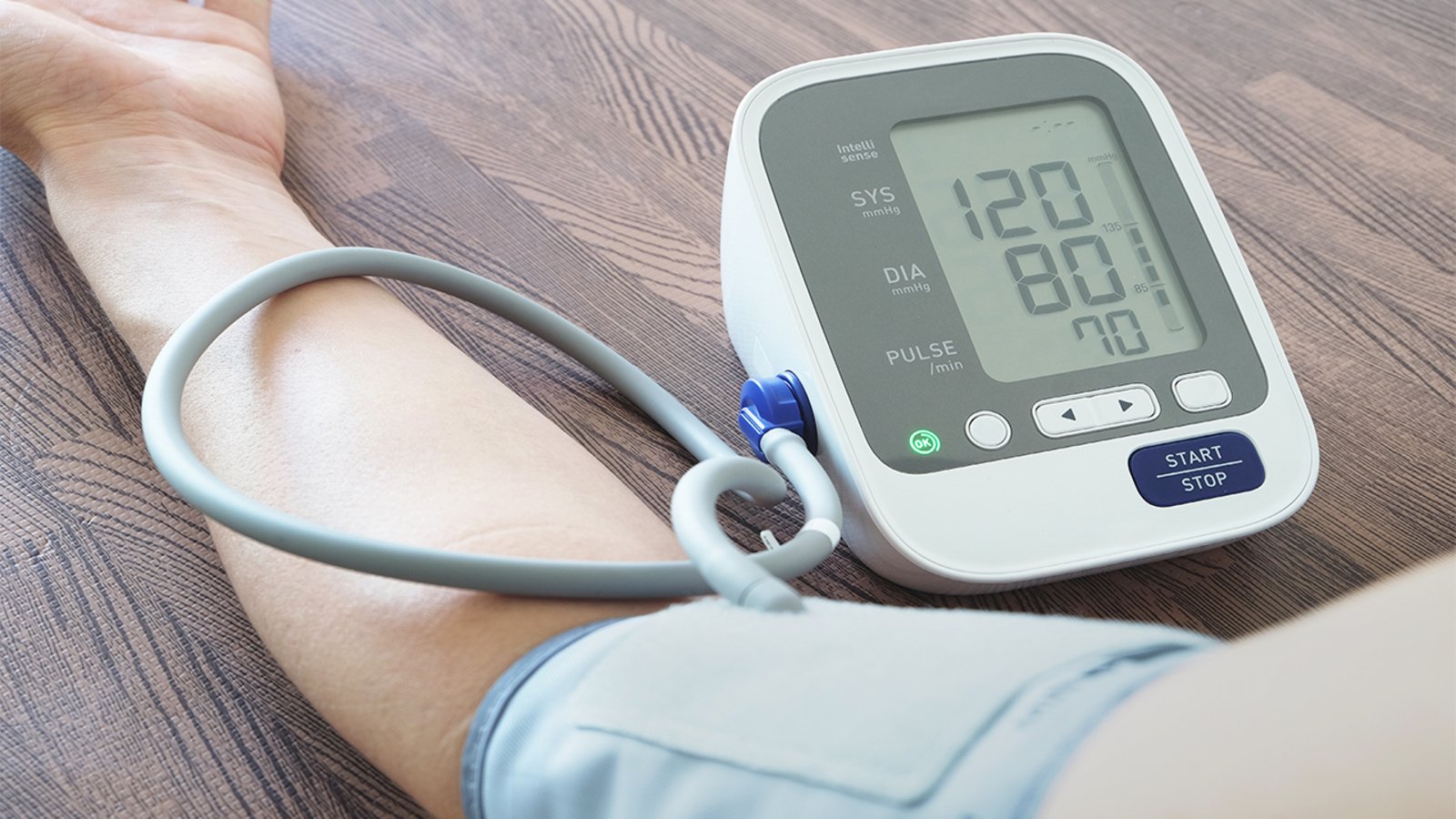
A normal blood pressure reading is typically around 120/80 mm Hg. Hypertension is diagnosed when blood pressure readings consistently exceed 130/80 mm Hg.

How Exercise Can Help Improve High Blood Pressure

Regular physical activity is one of the most effective lifestyle changes to help control high blood pressure. Here's how exercise benefits individuals with hypertension:

1. Strengthens the Heart: Regular exercise helps the heart become stronger and more efficient at pumping blood, reducing the force on the arteries.

2. Reduces Arterial Stiffness: Physical activity helps maintain or increase the elasticity of blood vessels, improving blood flow.

3. Helps Maintain a Healthy Weight: Exercise contributes to weight loss or maintenance, which can significantly reduce blood pressure.

4. Reduces Stress: Physical activity can lower stress levels, which is beneficial since stress can contribute to higher blood pressure.

5. Improves Blood Sugar Control: Regular exercise helps regulate blood sugar levels, reducing the risk of diabetes, which is a risk factor for hypertension.


Recommended Types of Exercise

For those with high blood pressure, the following types of exercise are generally recommended:

Aerobic Exercises: Such as walking, jogging, cycling, or swimming, performed for at least 150 minutes per week.

Strength Training: In moderation, focusing on major muscle groups at least two days per week.

Flexibility and Balance Exercises: Such as yoga or Pilates, to enhance overall fitness and reduce stress.


Contraindications and Precautions

While exercise is beneficial, there are some important considerations and precautions for working with clients who have high blood pressure:

1. Consultation with Healthcare Provider: Clients should have approval from their healthcare provider before starting a new exercise program.

2. Avoid High-Intensity Exercises: High-intensity or heavy lifting exercises can cause a sudden spike in blood pressure. Clients should start with moderate-intensity activities.

3. Monitor Blood Pressure: Regular monitoring of blood pressure before, during, and after exercise is crucial to ensure safety.

4. Stay Hydrated: Dehydration can increase blood pressure, so clients should drink plenty of water.

5. Gradual Warm-Up and Cool-Down: Proper warm-up and cool-down periods can help prevent sudden changes in blood pressure.

6. Breathing Techniques: Clients should avoid holding their breath during exercises (known as the Valsalva maneuver) as it can cause dangerous increases in blood pressure.

7. Stop if Symptoms Occur: Clients should stop exercising immediately if they experience dizziness, chest pain, or unusual shortness of breath, and seek medical attention.


By understanding these guidelines and working closely with healthcare providers, coaches can help clients with high blood pressure safely improve their health through exercise. To work with a qualified Avos Strength coach, contact us today to see how we can help guide you to a healthier life.

Understanding Your Body: The Role of a Kinesiologist in Personal Fitness

Embarking on a fitness journey is a commendable decision that can positively impact various aspects of your life. Whether you're aiming to shed a few pounds, build muscle, or enhance overall well-being, understanding your body is a crucial first step. In this pursuit, a key ally can be found in the expertise of a kinesiologist. In this blog post, we will delve into the pivotal role a kinesiologist plays in personal fitness, shedding light on the science behind movement and the benefits of seeking professional guidance.

Understanding Kinesiology:

Kinesiology is the study of human movement, encompassing anatomy, physiology, biomechanics, and neuroscience. A kinesiologist is a specialist in this field, possessing a deep understanding of how the body moves and functions. Their knowledge extends beyond mere exercise routines, focusing on the science behind movement patterns, muscle function, and the intricate interplay between various physiological systems.

Assessment and Individualized Programs:

One of the primary roles of a kinesiologist is to conduct a comprehensive assessment of an individual's physical condition. This may involve evaluating posture, flexibility, strength, and identifying any imbalances or limitations. Through these assessments, a kinesiologist gains valuable insights into a person's unique physiological profile, allowing them to create personalized fitness programs tailored to specific needs and goals.

Avos Strength Comprehensive Assessment guides program design specific to you

Preventing and Rehabilitating Injuries:

Understanding the body's mechanics enables kinesiologists to identify potential areas of vulnerability and design exercise regimens that minimize the risk of injuries. Moreover, for individuals recovering from injuries, a kinesiologist plays a crucial role in rehabilitation by implementing targeted exercises to restore strength, flexibility, and functionality. This personalized approach aids in a faster and more effective recovery, reducing the likelihood of recurring injuries.

Enhancing Performance:

Whether you're an athlete seeking to improve performance or an individual aiming for optimal fitness, a kinesiologist can be a game-changer. By analyzing movement patterns and biomechanics, they can fine-tune training programs to maximize efficiency and boost overall performance. This not only helps in achieving fitness goals but also enhances the enjoyment and sustainability of the exercise routine.

Educating and Empowering Clients:

In addition to designing exercise programs, kinesiologists play a vital role in educating clients about the importance of proper movement and the impact of physical activity on overall health. Armed with this knowledge, individuals are empowered to make informed choices about their fitness journey, fostering a long-term commitment to a healthy lifestyle.

In the realm of personal fitness, the guidance of a kinesiologist can be a transformative force. Their expertise in understanding the intricacies of the human body goes beyond traditional fitness training, providing a holistic approach to health and well-being. By working with a kinesiologist, individuals can unlock their body's full potential, reduce the risk of injuries, and embark on a journey towards sustainable, lifelong fitness. So, if you're looking to truly understand your body and optimize your fitness experience, consider the invaluable partnership with a kinesiologist – the key to unlocking the full potential of your physical well-being. Contact Avos Strength today to book a Free on boarding call to discuss how we can help you reach your goals.