vancouver personal trainer

How Do You Know Your Training Is Working? The Case for Performance Testing

If you train, you probably have a sense of whether things are going well. You feel stronger. You recover faster. The weights seem lighter and your workouts feel easier.

But how do you know? Feelings are useful, however they can also be unreliable. A bad night’s sleep can make a great training block feel flat, and a good week can make a stalled one feel like progress.

A lot of people train for years without ever being tested. Many work with a personal trainer who has never measured anything beyond the weight on the bar. That is not a criticism of trainers. It is just a gap worth knowing about.


Why Guessing Falls Short

Most progress tracking is informal: the numbers in a training log, how a workout felt, what the mirror says. Those are all fine, but they only tell you how you did on the exercises you already train. They also say little about power, conditioning or mobility.

They do not tell you how you compare to where you were six months ago on the same standardized test. They also do not tell you which physical qualities are strong and which are lagging.

That second point matters. Someone can have a solid squat and poor power. Someone else can be strong and fit but limited by mobility. Without testing, those gaps stay invisible, and the training plan keeps working on whatever you already do well.


What Objective Testing Tells You

Performance testing measures physical qualities in a standardized way, so the results mean the same thing every time you repeat them. That gives you three things.

A baseline. You know where you are today, not where you think you are.

A way to find what is holding you back. Strength, power, conditioning and mobility all contribute to how you move and perform. Testing shows which one needs the most attention.

A way to measure change. When you retest, you can see whether your training is working, and by how much.


Why Strength and Power Are Worth Measuring

This is not only for athletes. Research suggests that how strong you are says something about your long-term health.

A large meta-analysis of nearly 1.9 million adults found that higher muscular strength was associated with a lower risk of death from any cause (García-Hermoso et al., 2018). This kind of research shows an association, not cause and effect, but it supports the idea that strength is worth tracking.

Power, which is how quickly you can produce force, is another quality worth watching. A review of the research reported that muscle power declines earlier and more steeply with age than strength does, and that low power was linked to a higher risk of mobility problems in older adults than low strength in one cohort (Reid & Fielding, 2012). If you only measure strength, you may miss that decline.


The Avos Performance Battery
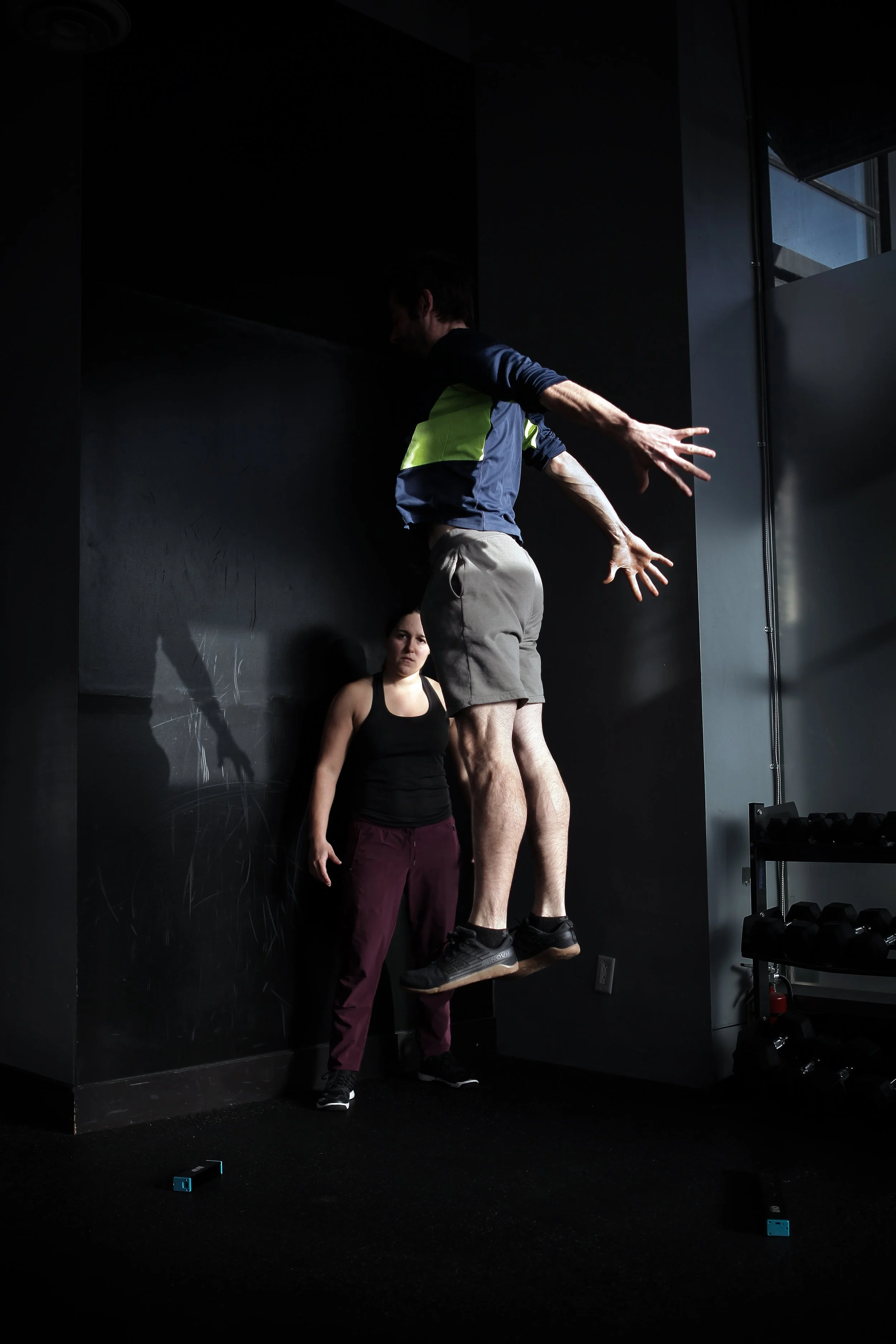
Client performing a counter movement jump test during Avos Performance Battery testing in Vancouver

The Avos Performance Battery (APB) is our 90-minute testing session in Vancouver. It measures strength, power, endurance, conditioning and mobility using standardized, validated protocols, and it is run by certified Avos Strength coaches.

After testing, you receive personalized feedback. We go over your strengths, where you have room to improve, and what to do about it. You leave with benchmarks you can track over time.

It is not a casual fitness screen, and it is not only for competitive athletes. People who have trained for years, people who are newer to lifting, and people who have never been formally tested can all get something from it.

How Often Should You Retest?

For most people, retesting every 6 to 12 months shows clear progress without testing too often. If you are preparing for a competition or a specific goal, we can retest more frequently.

Testing also pairs well with consistent strength training. Our post on whether two days of strength training is enough is a good companion if you are deciding how often to train.

A Gift That Is Easy to Give

If you know someone who trains, whether they lift, run, play a sport or are just getting started, an APB assessment makes a useful gift. It gives them something concrete to work with, not another piece of gear. You can purchase it for someone else directly through our APB page.


Key Takeaways

  • Training logs and how a workout felt show effort, but not necessarily progress.

  • Standardized testing gives you a baseline, shows what is limiting you, and measures change over time.

  • Stronger adults tend to live longer in large observational studies, and power may decline earlier than strength with age.

  • The APB measures strength, power, endurance, conditioning and mobility in about 90 minutes, with personalized feedback.

  • Retesting every 6 to 12 months works for most people.


Ready to See Where You Stand?

Learn more about the Avos Performance Battery or book your assessment.

References

García-Hermoso, A., Cavero-Redondo, I., Ramírez-Vélez, R., Ruiz, J. R., Ortega, F. B., Lee, D.-C., & Martínez-Vizcaíno, V. (2018). Muscular strength as a predictor of all-cause mortality in an apparently healthy population: A systematic review and meta-analysis of data from approximately 2 million men and women. Archives of Physical Medicine and Rehabilitation, 99(10), 2100-2113. https://doi.org/10.1016/j.apmr.2018.01.008

Reid, K. F., & Fielding, R. A. (2012). Skeletal muscle power: A critical determinant of physical functioning in older adults. Exercise and Sport Sciences Reviews, 40(1), 4-12. https://doi.org/10.1097/JES.0b013e31823b5f13
What Actually Happens During an Initial Assessment?

Written by Evelyn Calado, MKin, CSCS, RKin

If you’ve ever hesitated to start training because you didn’t know what to expect from that first session, you’re not alone. At Avos Strength, we treat the initial assessment as one of the most important parts of the entire training process. Not because it’s a test, or something you can pass or fail, but because it lays the foundation for everything we do moving forward. It’s how we get to know you, your goals, your movement, and how we can best support you.

Here’s what actually happens during an initial assessment with us.

It’s a 55 Minute, One-on-One Session

Most initial assessments are done in person. We also offer virtual options for remote clients. Whether we’re working with you at the gym or through a screen, the goal is the same: get a clear picture of where you’re at so we can build something that’s right for you.

It Starts With a Conversation

Before we even get moving, we sit down together and go through your intake form. And yes, it’s detailed. We ask for it to be completed at least 24 hours in advance because we actually review it before the session.

We go over:

  • Your injury history and relevant medical conditions

  • Sports background, hobbies, and training experience

  • Your goals, both short-term and long-term

  • Any current pain, discomfort, or limitations

  • Your preferred training setup (in-person, hybrid, remote)

This isn’t just a checklist. It’s a conversation. We want to hear your story, understand what brings you in, and talk about how we can help. That also includes discussing which coach might be the best fit, based on your needs and our availability.

Movement Screen and Table Assessment

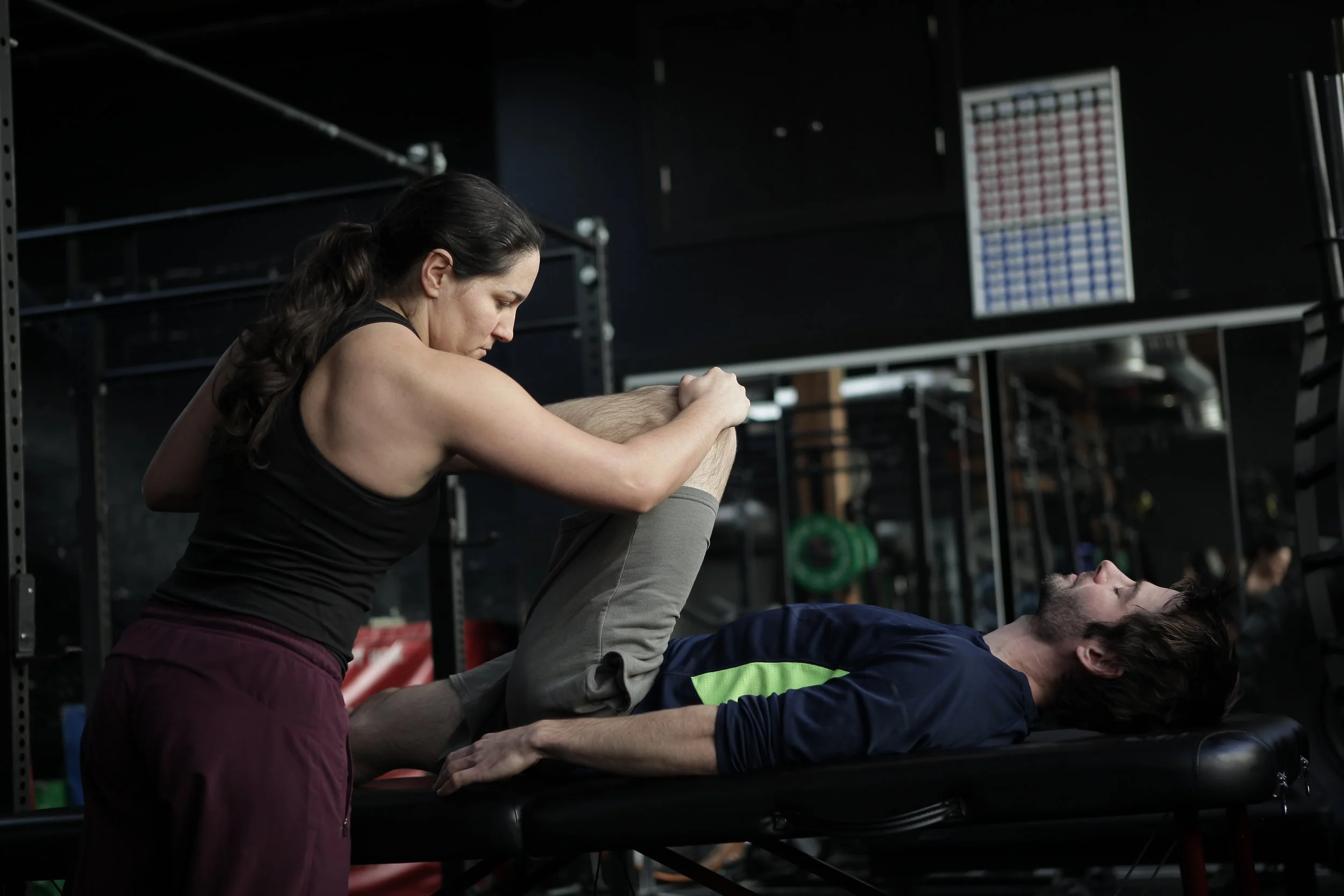
Table assessment being performed during an initial assessment at Avos Strength

After the consult, we begin assessing movement.

We typically look at:

  • Posture and gait

  • Basic functional movements (like squats, toe touches, and rotation)

  • Joint mobility and range of motion on the table

This gives us an idea of how you move in space, where you may feel limited, and what patterns we should be aware of when designing your program. For remote assessments, this part is adapted as best we can based on your space and setup.

This Is Not the Avos Performance Battery

Our initial assessment is different from the Avos Performance Battery, which is a full 90 minute performance testing session that includes a written report. This assessment is about gathering foundational information, not performance metrics. It’s the first building block in your training process, not a test.

What Happens With the Remaining Time?

Depending on how the session flows, we may use the last 10 to 20 minutes to go through some light drills, address pain points, or suggest a few exercises to get you started.

Sometimes we’ll do a bit of strength or movement testing, just enough to give us some useful data without overwhelming you on day one.

Why We Do It This Way

Your initial assessment helps us:

  • Build rapport and trust

  • Understand how you move

  • Identify restrictions or red flags

  • Gather everything we need to design a personalized program

Without this step, we’d be guessing. And that’s not how we operate. Your coach takes the time before, during, and after this session to make sure we’re starting from the right place.

How You Should Feel After

You should walk away feeling heard. You should feel supported. Ideally, you feel excited, not nervous, to start training and build something that’s going to serve you long term.

Training is a skill. It’s a habit. It’s a way of taking care of your body so you can keep doing the things you love, whether that’s playing sports, being active with your family, or just moving better every day.

Common Misconceptions We Hear

“I feel like I’m being judged.”
You’re not. There are no wrong answers in this process. If your hips move a certain way, or your shoulder is limited, that’s all information we use to help you.

“I don’t think I’m fit enough to be assessed yet.”
That’s exactly why we do assessments. You don’t need to be fit. This is about meeting you where you are and giving us a starting point to work from.

“What if I fail?”
You can’t fail. This isn’t a test. It’s a snapshot of where you’re at today.

A Structured, Individualized Approach

Everything we collect goes into your client file, not a generic template. Your program is built from the ground up based on your movement, your goals, your limitations, and your training setup.

Every Avos coach follows this system. Our junior coaches go through a structured mentorship before ever leading assessments on their own, and we continue to support them with feedback and review to maintain high standards.

There are no shortcuts. And that’s the point.


The first session isn't about being perfect. It's about getting started the right way; with a coach who sees you, listens to you, and builds something with you.

If you're ready to take the next step, explore our training options to find the approach that best fits your goals.

Why “Evidence-Based Training” Means Nothing Without Real Coaching

Written by Evelyn Calado, MKin, CSCS, RKin

The term “evidence-based training” gets thrown around a lot. But what actually makes a coach evidence-based? Reading studies? Having a kinesiology degree? Posting PubMed screenshots on Instagram?

True evidence-based practice goes far beyond quoting research. It is about combining the best available evidence with real-world experience and applying it to the needs of the person in front of you. Too often, that third piece gets ignored.

Foundations First: Coaching Is a Skill, Not a Certificate

You cannot replace lived experience and movement literacy with citations. A coach should know how to move well, demonstrate patterns clearly, and teach with purpose. That takes time under the bar, time on the floor, and years of refining their craft.

You can have a kinesiology degree and still not know how to coach a hinge or assess a client’s squat depth.

At Avos Strength, every junior coach goes through a structured three-month mentorship. They do not just learn protocols. They shadow real sessions, practice cueing, and refine how they coach. Because knowing the “why” is not enough. You also need to know how to deliver the “how.”

Shadowing Matters: Who You Learn From Shapes How You Coach

There is nothing wrong with being new. But good coaches are forged through time, mentorship, and reps.

I shadowed for years without getting paid. Why? Because that is how you build the craft.

Watching seasoned coaches, asking questions, getting feedback, and coaching real people is where you truly grow.

If you are looking to work with a coach, ask:

  • Who did they learn from?

  • Do they train themselves?

  • Do they continue to shadow and learn?

Education without application is just theory.

Yes, the Research Matters. But Know What It Really Says

Let’s be clear. The research is valuable. But it must be understood in context.

Take hypertrophy. For years, people believed you had to train in the 6 to 12 rep range to build muscle. But newer research shows you can build muscle at a wide variety of rep ranges, as long as effort and volume are managed properly.

That means the “best” rep range is the one that fits the person’s goals, experience, and recovery capacity. That is where coaching comes in.

The Bottom Line: Coaching Comes First

Evidence-based is not a title. It is a practice. And that practice only works when you have coaches who understand movement, know how to teach it, and apply research with intention.

If you are a client, look for a coach who:

  • Moves well and teaches movement clearly

  • Understands the research but does not hide behind it

  • Has put in time shadowing and learning from experienced professionals

  • Tailors training to your needs, not just to a textbook

If you are a coach, do the real work. Don’t just quote studies. Learn to coach.

Want to Train with Coaches Who Walk the Talk?

At Avos Strength, we believe in continuous learning and real-world coaching. Every coach trains hard, studies smart, and stays on the floor. We do not just say we are evidence-based. We prove it in every session.

Click to Start Training with Us

The Small Group Effect: How Training Together Can Lead to Big Results

At Avos Strength, we believe that strength and fitness are about more than just the weight you lift or the miles you run. It’s about the environment you create, the people who support you, and the results you achieve together. Small group training offers an ideal balance of personalized attention and community-driven motivation, helping you unlock your potential in ways that solo training simply can’t.


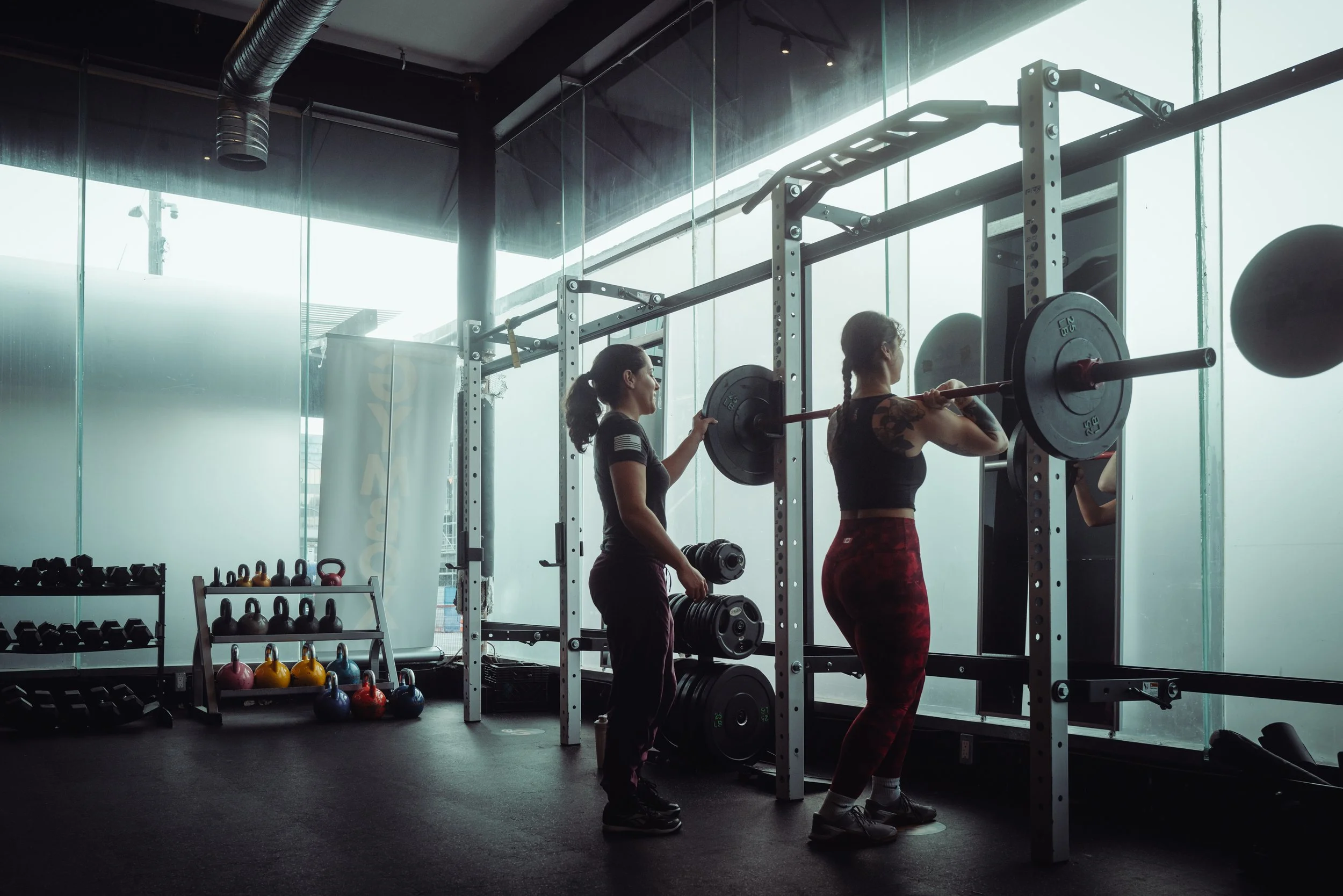
Two women warming up during small group training with a coach at Avos Strength

What Is Small Group Training?

Small group training at Avos Strength combines the expertise of personalized coaching with the camaraderie of training alongside others. Our sessions are designed for groups that you create yourself, ensuring that each participant receives individualized feedback while benefiting from the energy of a group setting. It’s a cost-effective way to access high-quality coaching while building connections with like-minded individuals.


Why Small Groups Work

1. Personalized Attention Without the Price Tag

One-on-one training is excellent for targeted results, but small group training allows for tailored coaching at a fraction of the cost. At Avos Strength, we assess each participant’s needs, past injuries, and goals to ensure that your program works for you—even in a group setting.

2. Accountability Through Community

Training in a group fosters accountability. When you’ve got a group of people cheering you on and expecting you to show up, it’s easier to stay consistent. At Avos Strength, our clients often find that their group becomes a source of encouragement and inspiration, pushing them to show up and give their best.

3. Healthy Competition Drives Progress

Friendly competition can be a powerful motivator. Seeing your peers work hard inspires you to do the same. Whether it’s hitting a new personal best on a lift or mastering a challenging movement, the group dynamic helps you push beyond your limits.

4. Stronger Together

Training in a small group builds a sense of community. Our clients often say that their group feels like a team, celebrating milestones together and supporting each other through challenges. It’s not just about getting stronger physically; it’s about building a support system that lifts you up.


What to Expect in Small Group Training at Avos Strength

  • Customized Programs: Each participant follows a program tailored to their goals and abilities, designed by Evelyn Calado, a registered Kinesiologist and CSCS-certified strength coach with over a decade of experience.

  • Expert Coaching: With close oversight, you’ll learn proper form, progress safely, and address your individual needs.

  • Flexible Scheduling: Create your own group and book sessions that fit your schedule. We’ll work with you to find times that accommodate everyone in your group.

  • Hybrid and Remote Options: Can’t always make it to the gym? No problem. Our app-based programs allow you to stay consistent, whether you’re training in person or remotely.


The Avos Strength Difference

At Avos Strength, we’re committed to building strong foundations for every client. Our small group training is rooted in science and tailored to individual needs, ensuring you’re not just working out—you’re training with purpose. We prioritize quality over fads, focusing on long-term results and a sustainable approach to health and fitness.

Whether you’re a beginner or an experienced athlete, small group training at Avos Strength offers the guidance, motivation, and community you need to succeed. Ready to see how the small group effect can lead to big results? Learn more about small group training here and let's get started.

The Essentials of Effective Personal Training

Introduction: Personal training has become an essential part of achieving fitness goals efficiently, safely, and with the right guidance. Whether you're aiming to build muscle, lose weight, recover from an injury, or simply improve your overall health, a personal trainer can offer the knowledge, support, and motivation needed to succeed. In this post, we'll break down the essentials of effective personal training and what sets quality personal training apart.

1. Personalized Assessment and Goal Setting

Avos Strength Table Assessment - Individualized Assesments

Every client gets assessed at Avos Strength - Here is one of our assessments: the table test.

Effective personal training begins with an individualized assessment. This step is critical in understanding each client’s unique needs, goals, strengths, and limitations. The best personal trainers don’t follow a one-size-fits-all approach; instead, they take the time to learn about your current fitness level, any past injuries, lifestyle, and specific objectives. This leads to the development of a personalized training plan that is tailored for you.

Why it Matters: Without a customized approach, training programs can feel generic and may not yield the best results. A well-structured assessment allows a personal trainer to design a plan that’s both challenging and achievable, aligning with your health and fitness goals.

2. Education and Proper Technique

One of the core benefits of personal training is learning how to perform exercises safely and effectively. An effective personal trainer will focus on technique, teaching you how to execute each movement correctly to maximize results and minimize the risk of injury.

Why it Matters: Poor form is one of the main causes of injuries in the gym. With the guidance of a knowledgeable personal trainer, you can build a strong foundation of proper technique, empowering you to perform exercises independently and with confidence. Plus, understanding why each exercise is included helps you stay motivated and committed. At Avos Strength, our coaches bring years of experience, advanced certifications, and a deep commitment to client success, ensuring that every exercise we choose is purposeful and aligned with your goals.

3. Accountability and Consistency

Staying motivated can be one of the biggest challenges in any fitness journey. Personal training provides a built-in layer of accountability—your trainer will ensure that you show up, stay on track, and keep progressing.

Why it Matters: Studies show that individuals who have a support system, like a personal trainer, are more likely to stick with their fitness programs. This consistent support helps you stay focused, even when motivation wanes. Knowing you have someone invested in your success can make all the difference on those days when it feels hard to keep going.

4. Program Adjustments Based on Progress

Effective personal training is adaptive. As you progress, your trainer will adjust your program to keep it challenging and aligned with your evolving goals. This flexibility ensures that you’re constantly working at an optimal level—neither underperforming nor overtraining.

Why it Matters: Training that adapts to your progress prevents plateaus, keeps things interesting, and reduces the likelihood of injury from overtraining. Regular program adjustments are an essential part of sustainable progress.

5. Support for Lifestyle Changes

Personal training goes beyond workouts. The best personal trainers help clients integrate positive habits into their daily lives, such as improving sleep, managing stress, and making healthier dietary choices. These holistic changes contribute to better results and a higher quality of life.

Why it Matters: Fitness isn’t just about exercise; it’s about an overall approach to health. Personal trainers who address aspects beyond the gym help their clients achieve balanced and lasting results.

6. Emphasis on Long-Term Health and Injury Prevention

Effective personal training aims to create a sustainable, healthy lifestyle. Trainers prioritize injury prevention and safe training practices, teaching clients how to care for their bodies while still pushing themselves toward their goals. This ensures that clients can stay active and injury-free in the long term.

Why it Matters: Injury setbacks can disrupt progress and discourage people from maintaining an active lifestyle. A skilled personal trainer helps prevent injuries by incorporating safe, appropriate exercises and educating clients on proper warm-ups and mobility work.

personal training session at Avos Strength

Perform at a high level at any age, so you can continue to play the sports you love and stay injury free,

7. Success Stories and Client Testimonials

When choosing a personal trainer, it’s helpful to look at their previous clients' success stories and testimonials. These firsthand accounts provide insight into the trainer’s ability to help clients reach their goals and make lasting changes.

Why it Matters: Success stories demonstrate that a trainer is skilled at tailoring programs to a range of goals, needs, and fitness levels. Seeing real results can also inspire you to commit to your own training journey.


Conclusion:

Personal training is more than just exercise—it’s a journey toward improved health, fitness, and confidence. With a skilled personal trainer by your side, you’ll receive customized guidance, support, and motivation to make meaningful, lasting changes. At Avos Strength, we understand the essentials of effective personal training and are dedicated to helping each client achieve their unique fitness goals safely and effectively.


If you’re ready to see how personal training can transform your fitness and overall well-being, contact Avos Strength today to schedule a consultation. Discover what a personalized approach can do for your health and fitness!

Train. Play. Repeat.

At Avos Strength, our vision is simple: to help people stay strong, active, and healthy as they age so they can continue doing what they love. Whether it’s playing tennis, hiking, gardening, or keeping up with your grandkids, our mission is to ensure you maintain the strength and mobility needed to live a fulfilling life.

All too often, we see individuals who, as they get older or experience injuries, lose the ability to engage in the activities that bring them joy. It could be something like tennis elbow, an injured knee, or shoulder pain that sidelines you from sports, hobbies, or just staying active. These setbacks can be frustrating and lead to a mindset focused on what you *can’t* do rather than the wide range of options still available.

Our approach is different. We believe that staying active is key to a happy, healthy life. That’s why we work with our clients to build a strong foundation, addressing not just the symptoms but the root cause of limitations, so you can get back to doing what you love. The goal isn’t just to train—it’s to regain the freedom to play, explore, and move without restrictions.

Too often, we hear stories like “I don’t have my Sunday tennis group anymore because half of them are injured” or “My teammate can’t play because of a shoulder issue.” If you have friends or family in this situation, share your success as an Avos Strength client. Let them know how building strength and resilience has allowed you to continue pursuing your passions and staying active, no matter what challenges come your way.

Our mission is clear: train for a lifetime of activity, play with freedom, and repeat the process. As we age, staying strong and active is the key to unlocking all the opportunities that life has to offer. So, whether it’s reclaiming your Sunday tennis match, playing with your grandchildren, or simply being able to move without pain, we’re here to help you train, play, and repeat—today and every day forward.