Recovery & Physiology

Why Women Should Think Twice About Cold Plunges

Cold plunges are everywhere right now. Scroll through social media, walk into any boutique gym, or listen to the latest biohacking podcast, and you're bound to hear someone praising the "recovery magic" of ice baths. But there's a problem: this recovery trend is not built for female physiology. And no one seems to be talking about it.

As a woman, especially one training hard and aiming to get stronger, faster, or more resilient, you need to know this: cold plunges can actually hinder your progress.

The Hype vs. The Science

The fitness industry often pushes one-size-fits-all solutions that are, in reality, designed around male physiology. Cold water immersion is no exception. The main argument for it is that it reduces inflammation and muscle soreness. But what’s rarely discussed is that blunting inflammation also blunts adaptation—the very thing you're working hard for in your training.

A key study published in The Journal of Physiology (2015) found that post-exercise cold water immersion significantly reduced long-term gains in muscle mass and strength by suppressing key anabolic signaling pathways. In simpler terms, jumping into a cold plunge after lifting can shut down the processes your body needs to get stronger.

The Female Factor: Why It’s Worse for Women

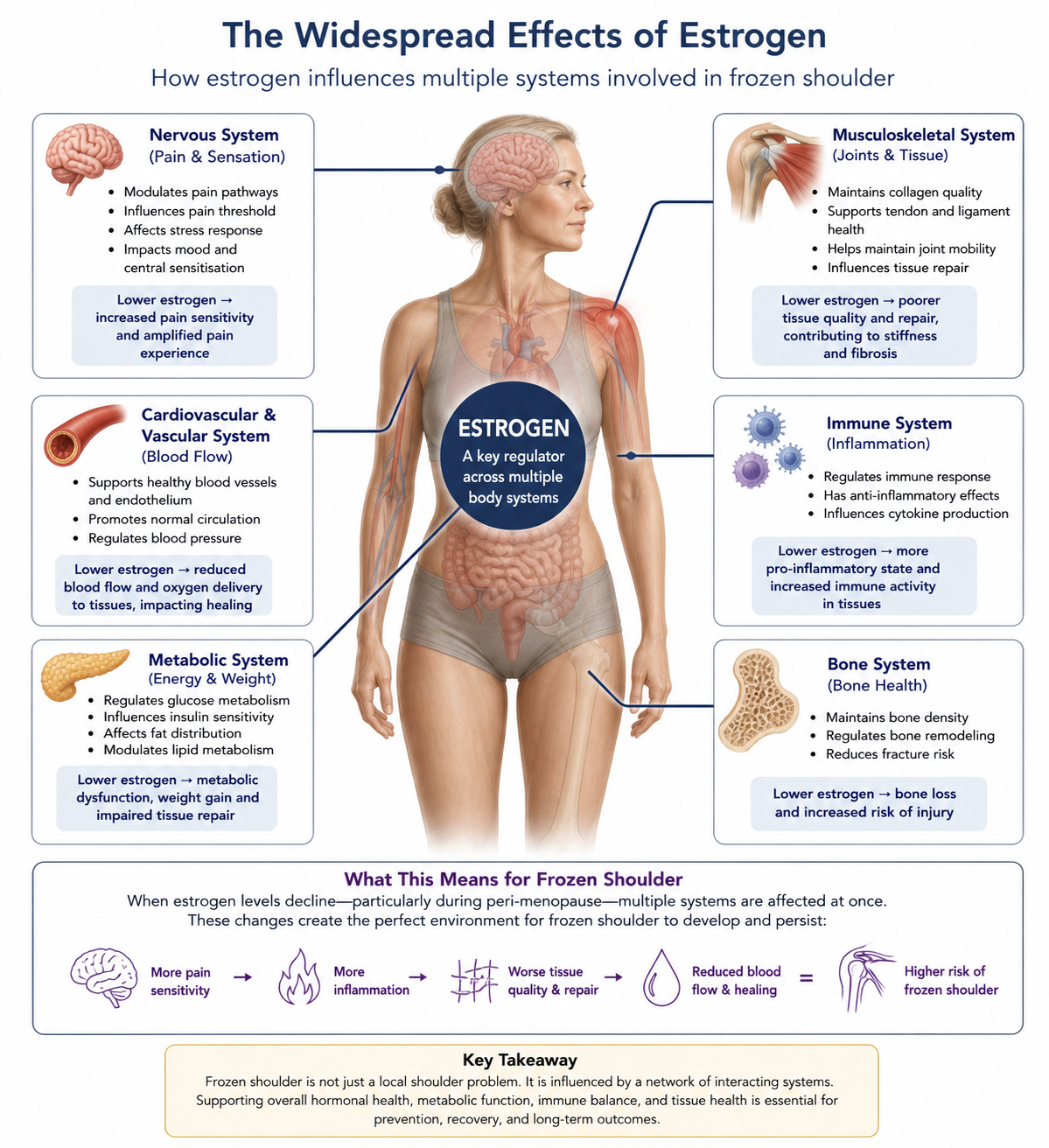
Dr. Stacy T. Sims, PhD, exercise physiologist and author of ROAR, explains that women already have a more robust anti-inflammatory response, largely due to estrogen. This is great for recovery in general—but it also means that adding more inflammation-suppressing strategies (like cold plunges) can tip the balance too far.

Here’s what that means:

  • Estrogen helps buffer inflammation, so you don’t need the added suppression from cold water.

  • Cold plunges inhibit mTOR signaling, a critical pathway for muscle protein synthesis. Since women already face challenges building and maintaining lean muscle due to fluctuating hormone levels—particularly during the high-progesterone phase of the menstrual cycle—this further suppresses adaptation.

  • Women have a shorter post-exercise anabolic window. That means the timing and environment for recovery matter more. Cold exposure immediately post-training can close this window prematurely.

Heat, Not Cold, Supports Female Recovery

Dr. Sims recommends heat-based recovery tools for women, such as sauna use or hot baths. Heat increases blood flow, supports mitochondrial adaptations, and promotes muscle repair without blunting the natural signals for strength and hypertrophy.

Where cold shuts down your body’s growth processes, heat helps amplify them—especially beneficial for women looking to increase muscle mass, endurance, and overall athletic performance.

Let’s Talk About the Real Issue

This isn’t just a science debate. It’s a visibility problem. Right now, women are being told to do what’s trending without being informed of how it might hurt them. The fitness industry is ignoring female physiology. And it’s not okay.

If you're a woman who trains, lifts, runs, or just wants to be strong and healthy, you deserve better than a one-size-fits-all recovery strategy. You deserve recovery tools that actually work with your body, not against it.

So the next time someone tells you to jump into a cold plunge for recovery, remember that your physiology is different. And according to Dr. Stacy Sims and peer-reviewed research, cold plunges may be doing more harm than good for women.

Let’s change the conversation.

The Only Two Supplements Most Athletes Actually Need

Walk into any supplement store and it’s overwhelming. Rows of pre-workouts, amino acids, test boosters, fat burners, and other shiny tubs promising to change your game overnight. But the truth is, most of it is noise.

At Avos Strength, we keep it simple. If you’re training hard and want to support performance, recovery, and overall health, there are only two supplements that actually matter.

And they aren’t flashy.

1. Protein Powder: The Most Underrated Tool in the Game

You don’t need protein powder to build muscle, but it can make it a lot easier to get enough protein — especially if you're busy, training often, or just not eating enough.

Protein is the building block of muscle. Without it, recovery slows down and progress stalls.

The general recommendation for active individuals and athletes is 1.6 to 2.0 grams per kilogram of body weight per day. If you're trying to put on muscle or training at a high volume, aim for the higher end of that range.

This means a 70-kilogram athlete should be getting 112 to 140 grams of protein daily. That’s a lot of chicken breast and Greek yogurt — and that’s where a high-quality protein powder can help.

Look for a product that:

  • Lists all essential amino acids (a complete protein)

  • Contains at least 20 to 25 grams of protein per serving

  • Comes from a reputable source like whey isolate, casein, or a solid plant-based blend with a full amino acid profile

If you are a competitive athlete, make sure your product is third-party tested and carries a Safe for Sport stamp such as NSF Certified for Sport or Informed Sport. This ensures there are no banned substances and that what's on the label is actually in the product.

Using protein powder post-training or to fill in gaps throughout the day is one of the easiest and most cost-effective ways to hit your daily targets.

2. Creatine: The Most Researched Supplement in the World

Creatine is a naturally occurring compound made from three amino acids: arginine, glycine, and methionine. It’s stored in your muscles and used to quickly regenerate ATP, the energy source your body relies on for short, powerful efforts like lifting, sprinting, and jumping.

If there’s one supplement that lives up to the hype, it’s creatine. It's been studied for over 30 years and is backed by more peer-reviewed research than any other supplement on the market.

Creatine helps you:

  • Perform more reps at a given load

  • Recover faster between explosive efforts

  • Improve high-intensity performance over time

What’s even more exciting is the emerging research around brain health. Studies now suggest creatine may improve cognitive function, especially under sleep deprivation or mental fatigue, and may play a protective role in aging populations.

How to Take It

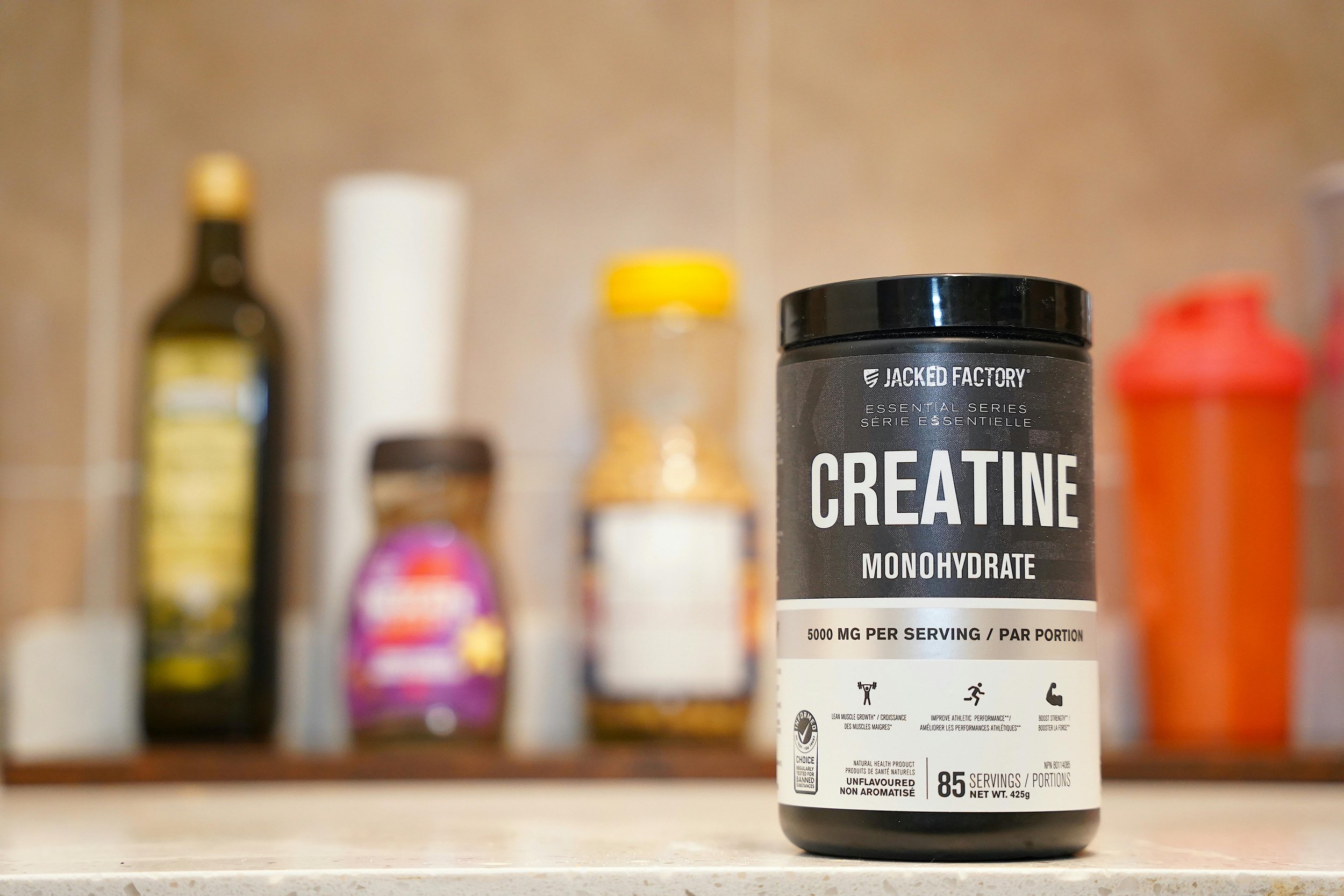
  • For muscle saturation: Take 5 grams of creatine monohydrate per day. No need to load or cycle it.

  • For brain health benefits: Newer research suggests 10 to 20 grams per day may be more effective, though higher doses should be discussed with a healthcare provider or sport nutritionist.

As with protein powder, if you're a competitive athlete, use a creatine product that is NSF Certified for Sport or Informed Sport. This ensures the supplement is free from banned substances and batch tested for safety.

Creatine is:

  • Safe

  • Inexpensive

  • Naturally occurring (your body makes it, and you also get it from meat and fish)

  • Non-hormonal

  • Effective for both men and women

Just take it consistently. It doesn’t need to be timed perfectly with your workout, and you don’t need a fancy pre-workout mix to get the benefits.

Don’t Get Caught in the Supplement Hype

BCAAs, pre-workouts, collagen, fat burners — they all have their place in the marketing stream, but they are not essential.

If you’re on a budget or just want to stick with what works, protein and creatine will give you the most return on your investment. Everything else is secondary.

And most importantly, no supplement replaces hard training, smart programming, and real food.

Build your foundation first. Let supplements support that — not define it.

How to Train Like a Pro Without Overtraining: 3 Conditioning Mistakes Every Fighter Makes

“You’re in shape… until you aren’t.”

Every boxer knows the feeling. You think you’re in shape, you’re sparring well, and then by Round 2 your legs feel like concrete. The problem isn’t effort. It’s the wrong kind of conditioning.

In combat sports, the difference between being fit and being fight ready is small but critical. Fighters often equate exhaustion with improvement. But fatigue is not the goal. The goal is to develop a system that lets you recover, repeat, and stay sharp under stress.

True conditioning teaches your body how to sustain power and recover faster between bursts. It builds the capacity to deliver the same output over and over without falling apart technically.

Mistake #1: Living in the “No-Adaptation Zone”

Most fighters train at one speed all the time. The intensity is too high to truly build aerobic qualities, yet not high enough to improve anaerobic power. This middle zone feels hard but does not create meaningful adaptation.

Training in this gray area leaves you constantly tired without improving the key factors that drive endurance. The aerobic system is the foundation for every other energy system. It is what allows you to recover between flurries, maintain composure, and control your pace.

When the bulk of training sits around 80 to 85 percent of maximum heart rate, the heart and muscles are working, but they are not being pushed to develop either side of the spectrum.

Fix:
Include one dedicated aerobic session each week. Keep the effort at a comfortable but steady pace where you can still breathe through your nose.

  • 25 to 30 minutes at 65 to 75 percent of maximum heart rate, or RPE 4 to 5.

  • Use light jogging, a spin bike, or shadowboxing flow work.

These lower-intensity sessions build the foundation that makes every other type of conditioning more effective later in camp.

Mistake #2: Mistaking Fatigue for Progress

If every session leaves you completely drained, you are not building capacity, you are burning it.

Fatigue by itself does not equal progress. When you constantly push to exhaustion, your coordination drops, timing slows, and recovery between rounds suffers.

Conditioning should improve the ability to produce high effort repeatedly, not the ability to survive pain. The aim is quality effort, not constant exhaustion.

Fighters often overload glycolytic, or medium-duration, efforts. They push too hard for too long and never develop the shorter, high-power system or the longer aerobic system that supports it. The result is a strong first thirty seconds and then a quick drop-off in speed and output.

Fix:
Introduce short, high-quality power intervals that target your explosive energy system.

  • Perform 8 to 10 seconds of all-out work such as a bike sprint, heavy bag flurry, or sled push.

  • Rest for 80 to 100 seconds at an easy pace before repeating.

  • Complete 6 to 8 total efforts.

These efforts improve maximal power and nervous system efficiency while allowing full recovery between reps.

Mistake #3: Ignoring the Aerobic Engine

The aerobic system is what keeps fighters explosive through multiple rounds. It is also what allows the body to recover between rounds and between training sessions.

Aerobic training does not make a fighter slow. It develops the internal engine that supplies energy to every burst and every exchange. A well-developed aerobic system improves the ability to replenish ATP, clear hydrogen ions, and use lactate as a fuel source during sustained work.

The common idea that fatigue is caused by lactic acid buildup is outdated. Lactic acid does not actually accumulate in the muscles. Instead, it separates into lactate and hydrogen ions, and the resulting increase in acidity contributes to fatigue. Aerobic training improves the body’s ability to manage that acidity and maintain performance over time.

Fix:
Use structured aerobic capacity intervals once or twice a week.

  • Work for 2 to 3 minutes at 80 to 90 percent of maximum heart rate or RPE 6 to 7.

  • Recover actively for 2 to 3 minutes until your heart rate drops below 130 beats per minute.

  • Repeat 4 to 6 rounds.

This type of interval work develops both delivery and utilization of oxygen, helping you stay relaxed and efficient even at higher outputs.

Why Smart Conditioning Wins Fights

The best-conditioned fighters are not always the ones who look the fittest in training. They are the ones who can stay calm, explosive, and efficient no matter how chaotic the fight becomes.

That calmness is a physiological skill. It comes from balancing the aerobic system that drives recovery, the anaerobic system that fuels sustained power, and the alactic system that supports short, explosive actions.

Smart conditioning develops all three systems in the right sequence and with the right intent. Build the base first, layer power on top, and taper the total load before competition.

Train Systems, Not Just Willpower

The difference between being in shape and being ready to fight is not about effort, it is about precision.

Conditioning should make you faster, more efficient, and more durable. It should leave you confident that your body can keep up with your skill. Hard work matters, but only when it builds something specific.

“Hard work is only as good as what it builds.”
— Joel Jamieson

Take the Guesswork Out of Your Conditioning

Knowing what to train is only half the battle. Knowing when and how to train each energy system is what separates a well-conditioned fighter from a tired one. A structured plan designed around your schedule, fight calendar, and current fitness level turns theory into progress.

If you’re serious about improving your fight conditioning, click here to explore our custom programs for fighters— designed to help you train smarter, recover faster, and perform your best when it matters most.

References

  • Jamieson, J. (2009). Ultimate MMA Conditioning.

  • Bott, C. (2023). Uncovering Limitations in Work Capacity.

  • Robergs, R. et al. (2004). “Biochemistry of Exercise-Induced Metabolic Acidosis,” American Journal of Physiology.

  • Brooks, G. et al. (2005). Exercise Physiology: Human Bioenergetics and Its Applications.

Why Leucine Matters Most for Muscle Growth and Recovery

Why Leucine Matters Most for Muscle Growth and Recovery

Let’s talk about protein. More specifically, let’s talk about leucine.

Whether you're working to build strength, improve endurance, or maintain lean muscle as you age, your ability to recover and grow depends on one key trigger: muscle protein synthesis. And one amino acid plays the leading role in that process.


What Is Leucine and Why Does It Matter?

Leucine is one of the essential branched-chain amino acids (BCAAs). It acts as the “on switch” for muscle repair by activating a molecular pathway called mTOR, which tells your body to start rebuilding muscle tissue after training.

Without enough leucine, even a high-protein meal may not fully trigger muscle protein synthesis. This is why protein quality and amino acid composition matter just as much as hitting your total protein intake.


Why It’s Especially Important for Women

Women tend to have lower baseline rates of muscle protein synthesis compared to men, partly due to hormonal differences. For example, muscle breakdown increases during the luteal phase of the menstrual cycle, just before your period.

This is one area where Dr. Stacy Sims' work is helpful. In her book ROAR, she highlights the importance of choosing leucine-rich protein sources, especially after strength training or during high-hormone phases when recovery can be compromised.

The research supports this. For both performance and recovery, women benefit from being more deliberate with post-training protein intake.

What to aim for: At least 2.5 grams of leucine in your post-training meal or shake. This is typically the minimum needed to fully activate muscle repair pathways.


How Much Protein Do You Actually Need?

For active individuals, the research-supported recommendation is about 1.8 to 2.2 grams of protein per kilogram of body weight per day.

That protein should be spaced throughout the day across three to five meals, with roughly 20 to 40 grams of protein per meal depending on your size, goals, and training demands.

For both men and women, leucine still matters. If you don’t hit the leucine threshold in a meal, your body may not initiate the repair process efficiently, even if you meet your total daily intake.


What Plant-Based Athletes Need to Know

If you follow a plant-based or vegan diet, this is something to pay attention to. Many common plant-based protein sources like pea, rice, and hemp contain less leucine per serving than whey or other animal-based proteins.

Some vegan protein powders contain only 1 to 1.5 grams of leucine per serving. That is not enough to reach the 2.5-gram mark that research suggests is needed to trigger muscle protein synthesis effectively.

If your protein label doesn’t list leucine content, check the brand’s website or reach out to the company directly. You may need to supplement with isolated leucine powder or choose a blend that brings you closer to that threshold.

Simple Strategies That Work

  • If you are not vegan, choose a high-quality whey isolate after training. Most servings contain around 2.7 grams of leucine.

  • If you are vegan, look for blends that list leucine content and get close to 2.5 grams, or add free-form leucine to your post-workout shake.

  • Do not rely on BCAAs alone. Always aim for a complete protein source after lifting or intense training.

  • For women, be especially strategic about recovery nutrition during the luteal phase, when muscle breakdown is elevated.


The Bottom Line

Leucine is not just another buzzword. It is one of the most important amino acids for recovery and muscle growth.

Whether you eat animal protein, plant-based protein, or a combination of both, what matters most is that you are getting enough leucine to support the work you are putting in at the gym or on the field.

If you want to build muscle, maintain strength as you age, or support your training with purpose, start by paying attention to your post-workout protein. Total intake matters, but leucine matters even more.

Train. Play. Repeat.

Do You Really Need to Be Sore to Make Progress in the Gym?

There’s a common belief that if you’re not sore after a workout, you didn’t train hard enough. You’ll hear it all the time:

“No pain, no gain.”

But here’s the truth: muscle soreness is not a reliable indicator of progress, and in many cases, it can actually get in the way of consistent, effective training.

Anyone Can Make You Sore—That’s Not the Goal

Let’s be honest: anyone can make you sore.
You don’t need a good coach for that. You just need someone to throw a thousand burpees at you or load you up with a ridiculous amount of volume and novel movements.

But that’s not training—that’s just stimulus for the sake of it.

A smart, well-designed program is about progress, not punishment. And if your trainer’s goal is to leave you crawling out of the gym or unable to sit in a meeting the next day; you might want to reconsider who you're working with.

The goal should never be to make the client sore.

Yes, soreness can happen, especially:

  • In Week 1 of a new training block

  • When exposed to new exercises or higher volume

  • During deload-to-load transitions or push weeks

But soreness is a byproduct, not a training objective.

If I make a high-level athlete so sore they can’t train, move well, or compete, I’ve failed them. I’ve taken away their ability to perform; and that’s a disservice, not a badge of honor.

What Is DOMS—and What Causes It?

DOMS stands for Delayed Onset Muscle Soreness. It typically begins 12 to 48 hours after training, especially when:

  • You’ve done a high volume of work

  • You’re introducing new or unfamiliar exercises

  • You’ve emphasized eccentric movements (slowing down the lowering portion)

DOMS is the result of microtrauma to muscle fibers and connective tissues. This triggers inflammation, increased sensitivity, and a bit of stiffness during the recovery process.

It’s not caused by lactate buildup.
And it’s not always a sign of an effective workout.

Athlete stretching or resting after training session, representing recovery and the myth of soreness being required for progress.

Soreness ≠ Progress

Being sore doesn’t mean you had a better session. And not being sore doesn’t mean the session wasn’t effective.

In fact, experienced trainees often feel less sore over time—even as they get stronger, faster, and more conditioned. Their bodies adapt more efficiently, and recovery becomes more seamless.

What builds muscle and drives performance isn’t soreness—it’s:

  • Mechanical tension (how hard the muscle works)

  • Metabolic stress (accumulation of fatigue within the muscle)

  • Progressive overload (gradually increasing stimulus over time)

You don’t have to feel wrecked to be progressing.
You have to be consistent, intentional, and able to do it again next session.

So How Do You Know You’re Progressing?

Stop measuring your training by soreness. Start tracking metrics that actually reflect adaptation:

  • Are your loads increasing?

  • Are you doing more volume or better quality reps?

  • Are you recovering better between sessions?

  • Is your movement improving?

  • Do you feel more capable, resilient, and consistent?

These are signs that you’re training well—not how wrecked your legs feel after squats.

When Soreness Might Be a Red Flag

Soreness that sticks around for multiple days or disrupts your ability to train again isn’t a sign of effectiveness—it’s a warning sign.

Watch for:

  • Soreness that interferes with performance

  • Postural compensation due to stiffness

  • Constant soreness from session to session

  • A lack of clear progress due to under-recovery

Chronic or extreme soreness usually means something’s off; either in your programming, recovery, or load management.

The Bottom Line

You don’t need to chase soreness. You need to chase consistency, progression, and execution.

Yes, soreness might show up here and there, especially when you introduce something new or push intensity. But if the main goal of your program—or your coach—is to leave you limping out of every session, it’s probably time to look elsewhere.

Train. Play. Repeat.

Want programming that actually respects recovery, performance, and progress? Book a session at Avos Strength and let’s build something that lasts.

Lactic Acid Isn’t the Bad Guy: What’s Really Behind Muscle Burn and Fatigue

You’ve probably heard it before—“My legs are full of lactic acid,” or “It’s the lactic acid that makes me sore.”
But here’s the truth: lactic acid isn’t to blame for muscle soreness or fatigue—and in fact, it’s not even the enemy. It’s time to clear this up once and for all.

What Actually Happens During Exercise?

When you train—especially at moderate to high intensities—your body breaks down carbohydrates to produce energy. This process is called glycolysis, and it produces two main byproducts:

  • Pyruvate, which can be used to produce energy

  • Hydrogen ions (H⁺), which increase acidity in the muscle

Here’s the key thing to understand:

Hydrogen ions make your muscles feel acidic—not lactate.

As hydrogen ions build up, they lower the pH in the muscle (pH is a scale that measures how acidic or basic something is—lower pH means more acidic). This increased acidity can interfere with how your muscles contract and lead to that familiar burning sensation during hard efforts.

So What Is Lactate?

Lactate (often confused with “lactic acid”) is actually a helpful byproduct, not a waste product. When the rate of glycolysis increases and hydrogen ions start to accumulate, lactate is formed when pyruvate binds with those hydrogen ions.

This is a good thing. Lactate formation actually helps buffer the acidity by mopping up excess hydrogen ions. This slows down the drop in pH and helps you keep going longer.

So instead of being the villain, lactate is your body’s way of protecting itself from fatigue.

Myth-Busting: Lactate ≠ Muscle Soreness

Muscle soreness, especially the kind that shows up 24–48 hours later, is known as DOMS (Delayed Onset Muscle Soreness). It’s caused by microdamage to muscle tissue, inflammation, and the repair process—not by lactate.

The lactate-muscle soreness myth was debunked decades ago. Yet it continues to live on in gym talk, group classes, and even outdated training certifications.

We Produce Lactate All the Time

Contrary to popular belief, lactate isn’t just made during intense training. Your body is constantly producing and clearing lactate—even at rest.

It’s used as:

  • A fuel by the heart, brain, and slow-twitch muscle fibers

  • A precursor to glucose in the liver through the Cori cycle

  • A signaling molecule for adaptation and recovery

Far from being a waste product, lactate is essential to energy production and endurance performance.

Why Lactate Threshold Matters

Your lactate threshold refers to the highest intensity at which your body can produce and clear lactate at the same rate. Once you exceed that threshold, lactate begins to accumulate—but not because it’s causing fatigue. It’s a sign that your body is working hard and relying more on anaerobic metabolism.

What matters is that:

  • Lactate is a proxy for effort, not the cause of failure

  • The better trained you are, the more efficiently you can clear lactate, which allows you to sustain high output for longer

This is why aerobic base training and well-planned intervals are so valuable—they help improve your body’s ability to manage lactate and stay out of deep fatigue.

The Bottom Line

MythRealityLactic acid causes sorenessMuscle soreness comes from tissue damage, not lactateLactate makes you fatigueLactate buffers fatigue and helps you continueLactate is a waste productIt’s a valuable fuel and performance toolHigh lactate = badIt reflects effort—not failure

So next time you feel the burn or hear someone say “it’s the lactic acid,” you’ll know better: Lactate isn’t making you slow down—it’s helping you stay in the game.

Train. Play. Repeat.
Want to learn how to build your aerobic base, improve lactate clearance, and train smarter—not just harder? Book a session at Avos Strength and we’ll break it down.