Written by Evelyn Calado, MKin, CSCS, RKin
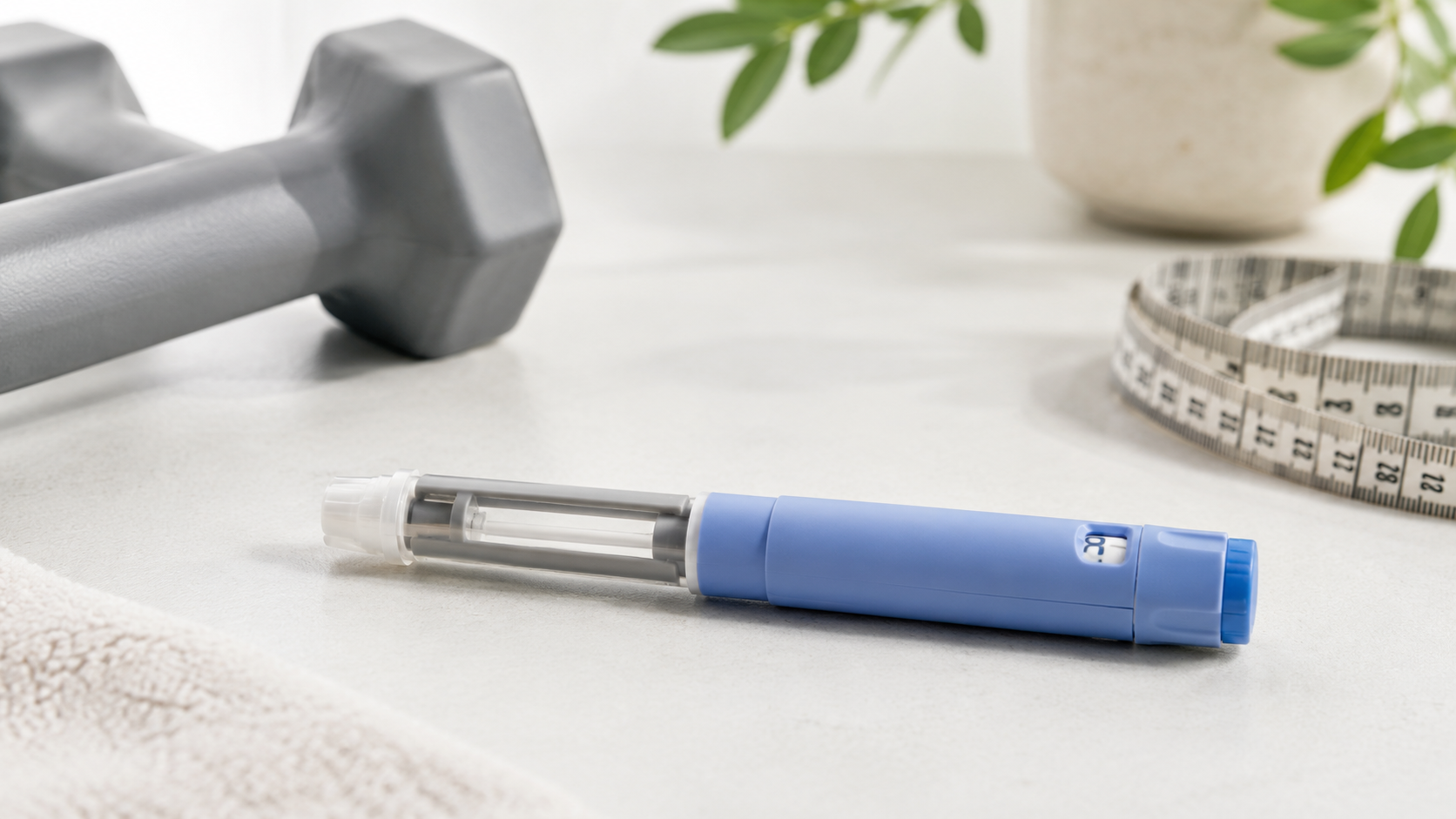
GLP-1 medications like Ozempic, Wegovy, Mounjaro, and Zepbound are everywhere right now. Your coworker might be on one. Your neighbour might be on one. There is a good chance someone in your gym is using one too.
The conversation around these medications is loud. Some of it is hype. Some of it is fear. A lot of it is missing important context.
This post is not here to convince you to use these medications, and it is not here to scare you away from them either. That decision belongs between you and your healthcare provider.
What I want to do is help you understand what the research says, especially as it relates to body composition, muscle loss, training, and long-term health.
As a kinesiologist, I believe movement, strength training, nutrition, sleep, and lifestyle habits are the foundation of long-term health. I also believe that mental health and psychological support are often left out of the weight loss conversation. For many people, body weight is connected to stress, trauma, emotional patterns, environment, and years of repeated dieting. No medication addresses all of that on its own.
That said, I am not here to judge anyone for using GLP-1 medications. If they are improving your health and quality of life, and you are using them under proper medical supervision, that is your decision to make.
But before starting, it is important to understand what these medications do, what they do not do, and what you need to do to protect your body while using them.
What Are GLP-1 Medications?
GLP-1 stands for glucagon-like peptide-1. It is a hormone your gut naturally releases when you eat. It helps regulate blood sugar, signals fullness to the brain, and slows how quickly food leaves your stomach.
GLP-1 medications work by mimicking that hormone and extending the fullness signal. This can reduce appetite, lower food intake, and improve blood sugar regulation.
Some of the most well-known medications include semaglutide, sold under names like Ozempic and Wegovy, and tirzepatide, sold under names like Mounjaro and Zepbound.
Tirzepatide is slightly different because it targets both GLP-1 and GIP receptors. This is one reason why weight loss outcomes with tirzepatide tend to be higher in clinical trials.
These medications were originally developed for type 2 diabetes management. Weight loss was initially seen as a side effect, but the effect was significant enough that some of these medications are now also approved for obesity management.
The Weight Loss Results Are Significant
The weight loss results with GLP-1 medications are real.
Lifestyle interventions alone often lead to modest weight loss, commonly in the range of 3 to 8 percent of total body weight depending on the level of support and intensity. Clinical trials with GLP-1 medications show much larger reductions.
Semaglutide has been shown to produce roughly 15 percent total body weight loss in some trials. Tirzepatide has shown even higher results, with some studies reporting average losses above 20 percent in people without type 2 diabetes.
These medications can also improve important health markers. Research has shown improvements in blood sugar control, blood pressure, cholesterol, triglycerides, and cardiovascular risk markers, especially in people with obesity-related health conditions.
That matters.
For some people, these medications can be life-changing. They may improve mobility, reduce health risks, and create a sense of control after years of struggling with weight management.
But weight loss alone does not automatically mean better health. What you lose matters.
That brings us to the part that needs far more attention.
The Part That Matters for Training: Muscle Loss
This is the part I care about most as a kinesiologist.
GLP-1 medications can help people lose a significant amount of weight, but the weight lost is not just body fat. Some of it is lean mass, which includes muscle.
That matters because muscle is not just about looking strong. Muscle supports your metabolism, strength, balance, independence, injury resilience, and long-term health.
Body composition research has shown that a meaningful portion of weight lost on GLP-1 medications can come from lean mass. With semaglutide, some research has found that approximately 38 percent of the weight lost came from lean mass. With tirzepatide, the proportion appears lower, closer to 25 percent in some studies, but it is still significant.
This does not mean these medications are bad. It means the way you use them matters.
If someone loses a large amount of weight but also loses a significant amount of muscle, that is not an ideal outcome. The goal should not simply be a lower number on the scale. The goal should be improved body composition, better health, greater strength, and better long-term function.
This is why strength training is not optional if you are using a GLP-1 medication.
Resistance training helps preserve muscle during weight loss. It gives your body a reason to hold onto lean tissue while body weight is coming down. Without it, you are increasing the risk that more of your weight loss comes from muscle.
At a minimum, people using these medications should be strength training 2 to 3 days per week, with a full-body approach that includes major movement patterns like squatting, hinging, pushing, pulling, carrying, and single-leg work.
Cardiovascular training still matters too. These medications can reduce appetite and body weight, but they do not build cardiovascular fitness. Your heart, lungs, and muscles still need training.
The big takeaway is this:
GLP-1 medications may help with weight loss, but exercise determines a lot of what kind of weight you lose, how well you function, and how prepared you are to maintain your results long term.
What Happens If You Stop?
This is another part of the conversation that needs to be discussed before someone starts.
For many people, the weight loss achieved with GLP-1 medications is not fully maintained after stopping the medication.
Clinical trial data shows that weight regain is common after discontinuation. In the STEP 1 extension study, participants regained approximately two thirds of the weight they had lost within one year of stopping semaglutide (Wilding et al., 2022). In the STEP 4 trial, people who stopped semaglutide regained weight, while those who continued treatment lost more weight (Rubino et al., 2021). Similar findings have been reported with tirzepatide, where stopping treatment led to significant regain compared with continued use (Aronne et al., 2024).
This does not mean these medications do not work. It means they appear to work more like long-term treatment for a chronic condition, rather than a short-term fix.
That is an important distinction.
Many people start these medications thinking they will use them temporarily, lose the weight, and then stop. But if stopping leads to significant weight regain, then the long-term plan needs to be part of the conversation from the beginning.
Before starting, it is worth asking:
Can I afford this long term?
Am I prepared to stay on it if that is what is needed?
What happens if side effects become difficult?
What happens if my coverage changes?
What habits am I building while I am on it?
Am I strength training and eating enough protein to protect my muscle?
These are not small questions. They are central to making an informed decision.
Side Effects, Safety, and Medical Supervision
The most common side effects of GLP-1 medications are gastrointestinal. Nausea, diarrhea, constipation, bloating, abdominal discomfort, and indigestion are all commonly reported, especially when starting the medication or increasing the dose.
For some people, these symptoms improve over time. For others, they are significant enough to stop treatment.
There are also less common but more serious risks that need medical oversight, including pancreatitis, gallbladder disease, changes in heart rate, and specific considerations for people with diabetes-related eye disease. These risks do not mean everyone should avoid these medications, but they do mean medical supervision matters.
This is also why the rise in black market and unregulated versions of these medications is concerning.
Because of cost, access issues, and high demand, some people are obtaining compounded, counterfeit, or research versions of these drugs online or outside proper medical channels. That comes with real risk. You may not know the dose, purity, concentration, or safety of what you are taking. You also lose the medical monitoring that should come with these medications.
If you are going to use a GLP-1 medication, use it under the care of a qualified healthcare provider who knows your health history.
What You Should Do If You Are Taking a GLP-1 Medication
If you are currently taking one of these medications, or you are thinking about starting, here are the main things I would want you to prioritize.
First, strength train consistently. Aim for 2 to 3 full-body sessions per week. This is one of the most important things you can do to help preserve muscle while losing weight.
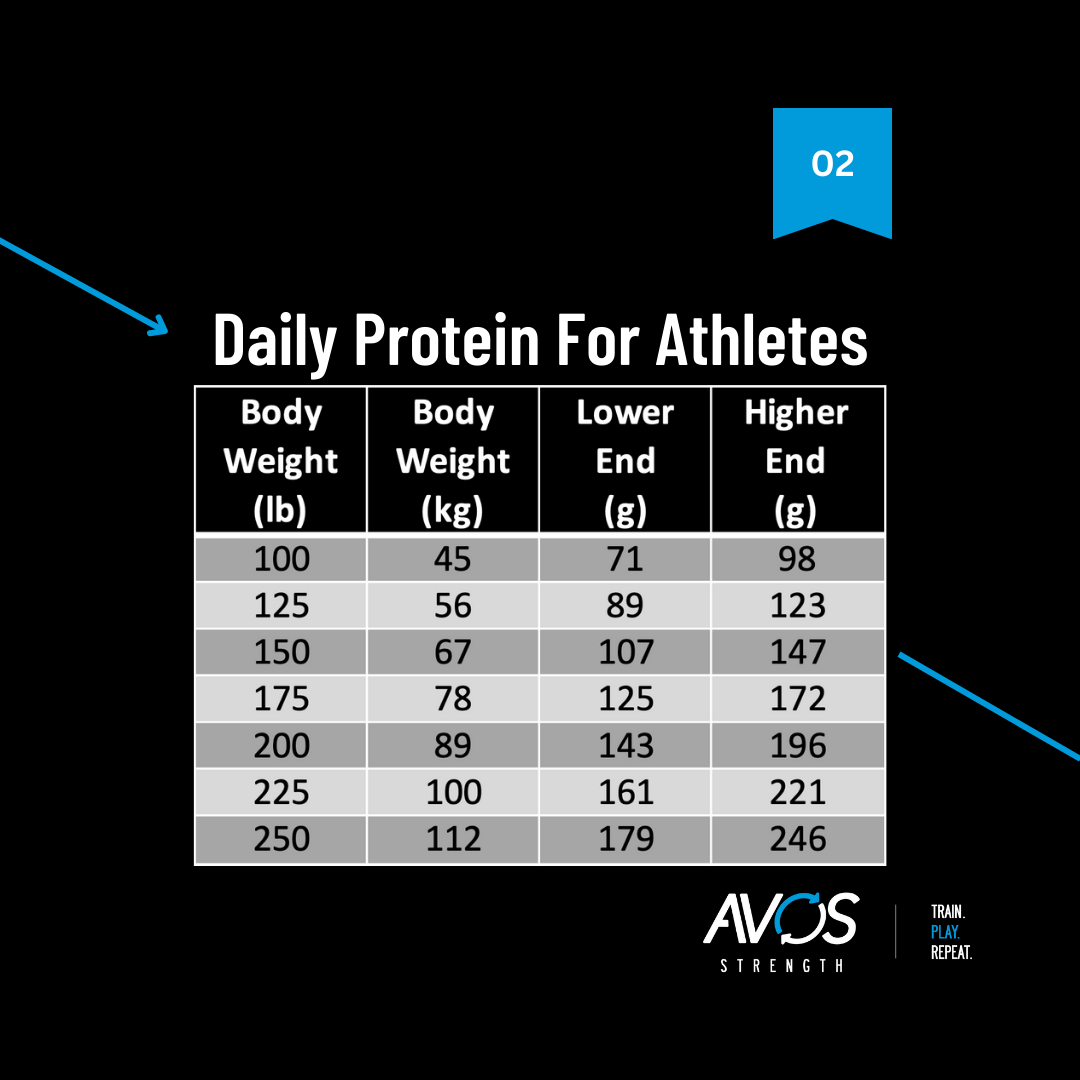
Second, eat enough protein. Appetite suppression can make it harder to eat enough total food, but protein matters for muscle retention, recovery, and long-term health.
Third, do not ignore cardiovascular fitness. Walking, cycling, incline treadmill work, rowing, and other forms of aerobic exercise still matter. These medications do not replace the benefits of conditioning.
Fourth, pay attention to how you feel. Low energy, dizziness, poor recovery, rapid strength loss, and extreme food restriction are not signs that things are going well. They are signs that your plan may need adjusting.
Finally, think beyond the scale. Weight loss can be valuable, but strength, energy, mobility, confidence, and long-term function matter too.
The Bottom Line
GLP-1 medications are powerful tools. The weight loss results are real, and the health benefits can be meaningful, especially for people with obesity-related health conditions.
But they are not a replacement for lifestyle.
They do not build muscle. They do not improve your strength. They do not train your cardiovascular system. They do not address every behavioural, emotional, or environmental factor that may have contributed to weight gain in the first place.
They can be part of the solution, but they should not be the whole solution.
If you are using a GLP-1 medication, strength training should be a priority. So should protein, movement, sleep, and a realistic long-term plan.
The goal is not just to lose weight.
The goal is to lose weight in a way that protects your muscle, supports your health, and helps you function better for years to come.
This post is intended for general educational purposes only and is not medical advice. Always speak with a qualified healthcare provider before starting, changing, or stopping any medication.
If you're using a GLP-1 medication and want a structured strength training plan to protect your muscle and support your long-term results, 1-on-1 coaching or hybrid programming can help you build a plan that fits your needs. Get in touch to talk about where to start.
References
Aronne, L. J., et al. (2024). Continued treatment with tirzepatide for maintenance of weight reduction in adults with obesity: The SURMOUNT-4 randomized clinical trial. JAMA, 331(1), 38-48.
Kolli, R. T., Aoutla, S., Jyothi, N., et al. (2025). Rebound or retention: A meta-analysis of weight regain after the discontinuation of glucagon-like peptide-1 receptor agonists and other anti-obesity drugs. Cureus, 17(10), e94926.
Moiz, A., Filion, K. B., Knäuper, B., et al. (2026). Weight maintenance after discontinuation of GLP-1 therapies. eClinicalMedicine, 96, 103992.
Rubino, D., et al. (2021). Effect of continued weekly subcutaneous semaglutide vs placebo on weight loss maintenance in adults with overweight or obesity: The STEP 4 randomized clinical trial. JAMA, 325(14), 1414-1425.
Wilding, J. P. H., et al. (2022). Weight regain and cardiometabolic effects after withdrawal of semaglutide: The STEP 1 trial extension. Diabetes, Obesity and Metabolism, 24(8), 1553-1564.
Diabetes Care. (2025). Standards of care in diabetes. Diabetes Care, 49(Suppl. 1), S89-S131.
Endocrine Practice. (2025). Clinical practice guidance related to obesity and incretin-based therapies. Endocrine Practice, 31(11), 1351-1394.
Metabolism. (2025). Lean mass changes during GLP-1 based therapy. Metabolism, 164, 156113.
Diabetes, Obesity and Metabolism. (2025). Tirzepatide trial data and cardiometabolic outcomes. Diabetes, Obesity and Metabolism, 27(10), 5386-5392.
BMJ. (2025). Warning regarding unregulated GLP-1 products. BMJ, 390, r1917.
Health Canada. (2026). Public advisory on unauthorized GLP-1 products.
Therapeutic Goods Administration. (2026). Safety alert regarding counterfeit GLP-1 products.