nutrition

The Only Two Supplements Most Athletes Actually Need

Written by Evelyn Calado, MKin, CSCS, RKin


Walk into any supplement store and it’s overwhelming. Rows of pre-workouts, amino acids, test boosters, fat burners, and other shiny tubs promising to change your game overnight. But the truth is, most of it is noise.

At Avos Strength, we keep it simple. If you’re training hard and want to support performance, recovery, and overall health, there are only two supplements that actually matter.

And they aren’t flashy.

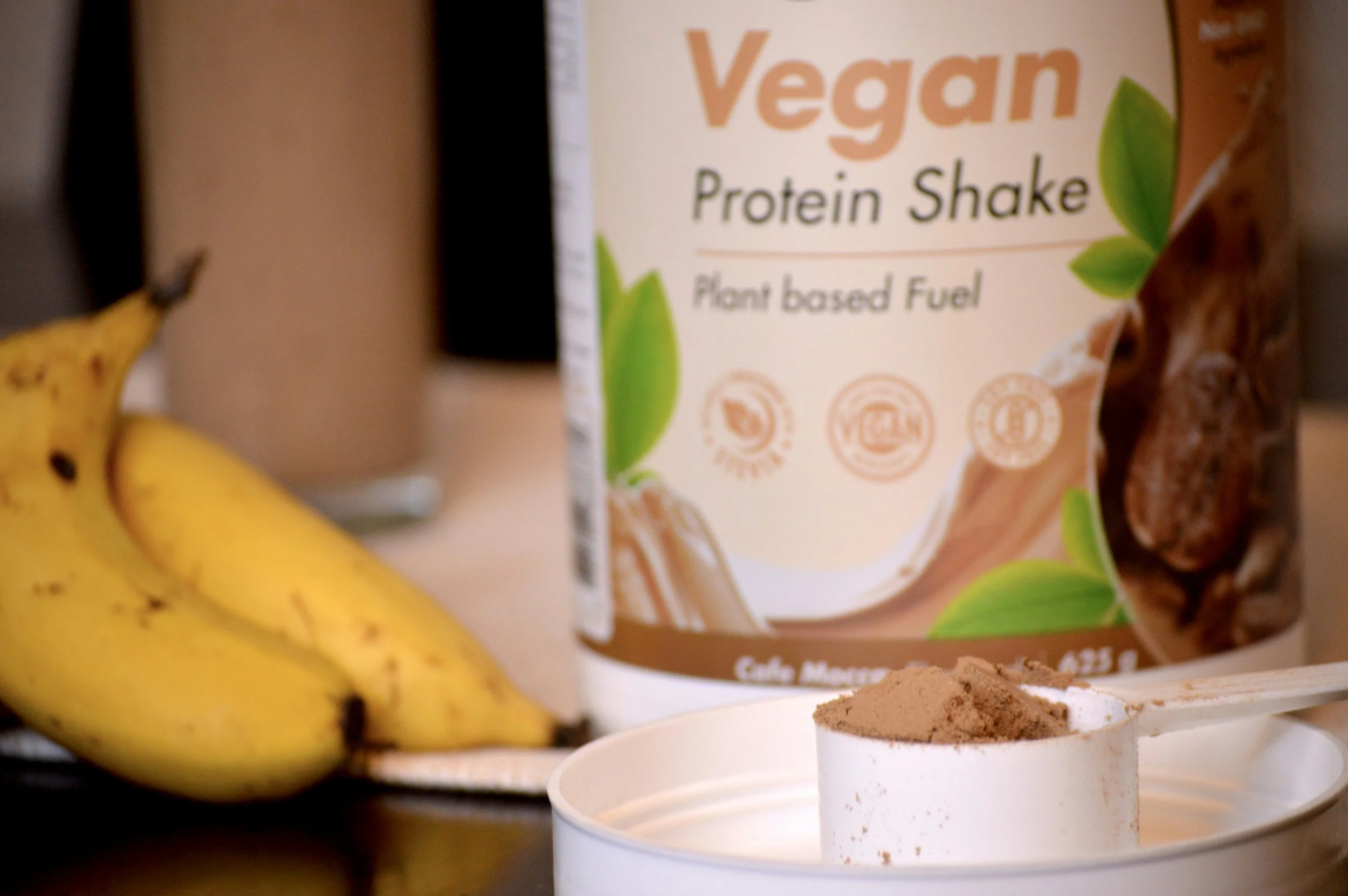
1. Protein Powder: The Most Underrated Tool in the Game

You don’t need protein powder to build muscle, but it can make it a lot easier to get enough protein — especially if you're busy, training often, or just not eating enough.

Protein is the building block of muscle. Without it, recovery slows down and progress stalls.

The general recommendation for active individuals and athletes is 1.6 to 2.0 grams per kilogram of body weight per day. If you're trying to put on muscle or training at a high volume, aim for the higher end of that range.

This means a 70-kilogram athlete should be getting 112 to 140 grams of protein daily. That’s a lot of chicken breast and Greek yogurt — and that’s where a high-quality protein powder can help.

Look for a product that:

  • Lists all essential amino acids (a complete protein)

  • Contains at least 20 to 25 grams of protein per serving

  • Comes from a reputable source like whey isolate, casein, or a solid plant-based blend with a full amino acid profile

If you are a competitive athlete, make sure your product is third-party tested and carries a Safe for Sport stamp such as NSF Certified for Sport or Informed Sport. This ensures there are no banned substances and that what's on the label is actually in the product.

Using protein powder post-training or to fill in gaps throughout the day is one of the easiest and most cost-effective ways to hit your daily targets.

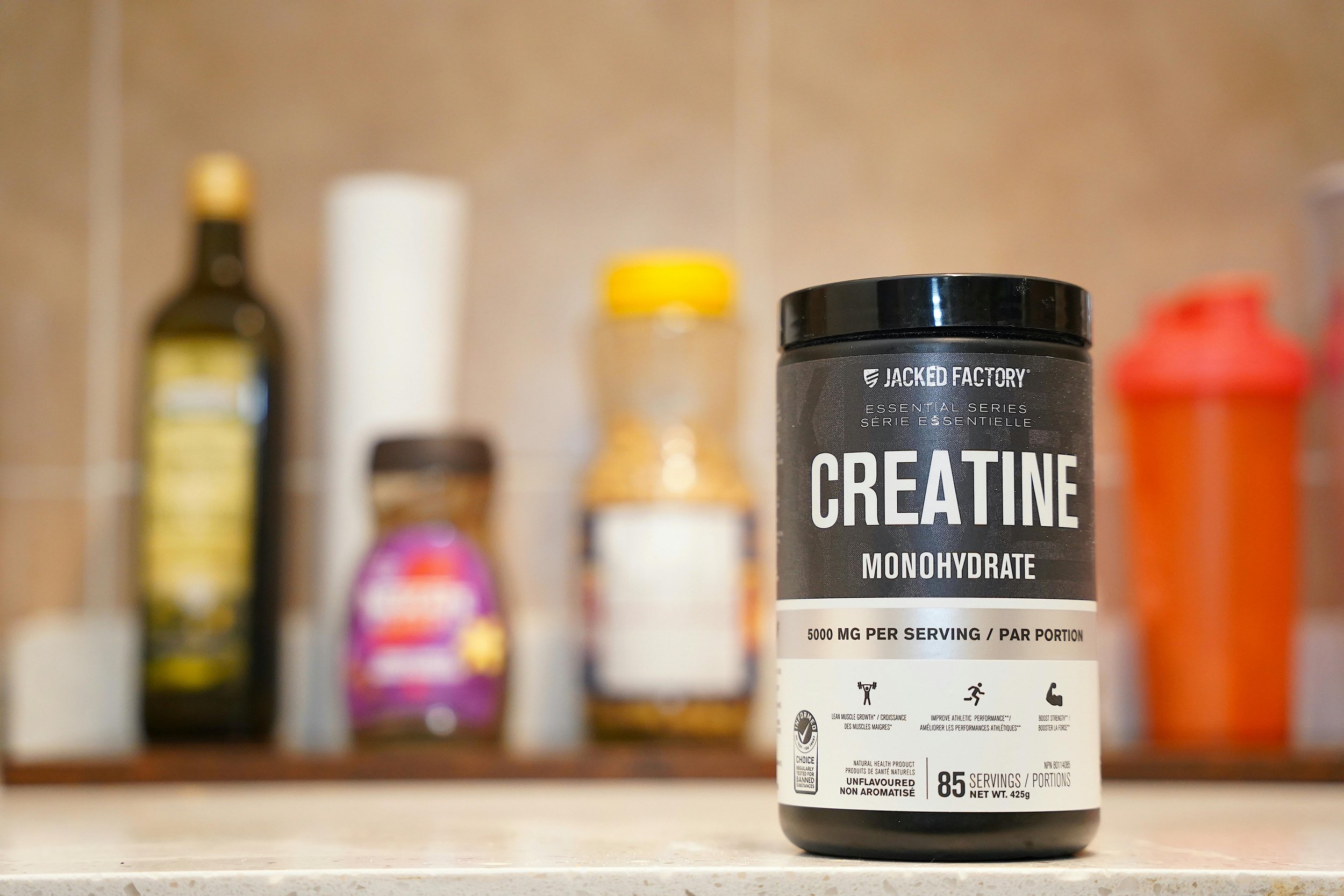
2. Creatine: The Most Researched Supplement in the World

Creatine is a naturally occurring compound made from three amino acids: arginine, glycine, and methionine. It’s stored in your muscles and used to quickly regenerate ATP, the energy source your body relies on for short, powerful efforts like lifting, sprinting, and jumping.

If there’s one supplement that lives up to the hype, it’s creatine. It's been studied for over 30 years and is backed by more peer-reviewed research than any other supplement on the market.

Creatine helps you:

  • Perform more reps at a given load

  • Recover faster between explosive efforts

  • Improve high-intensity performance over time

What’s even more exciting is the emerging research around brain health. Studies now suggest creatine may improve cognitive function, especially under sleep deprivation or mental fatigue, and may play a protective role in aging populations.

How to Take It

  • For muscle saturation: Take 5 grams of creatine monohydrate per day. No need to load or cycle it.

  • For brain health benefits: Newer research suggests 10 to 20 grams per day may be more effective, though higher doses should be discussed with a healthcare provider or sport nutritionist.

As with protein powder, if you're a competitive athlete, use a creatine product that is NSF Certified for Sport or Informed Sport. This ensures the supplement is free from banned substances and batch tested for safety.

Creatine is:

  • Safe

  • Inexpensive

  • Naturally occurring (your body makes it, and you also get it from meat and fish)

  • Non-hormonal

  • Effective for both men and women

Just take it consistently. It doesn’t need to be timed perfectly with your workout, and you don’t need a fancy pre-workout mix to get the benefits.

Don’t Get Caught in the Supplement Hype

BCAAs, pre-workouts, collagen, fat burners — they all have their place in the marketing stream, but they are not essential.

If you’re on a budget or just want to stick with what works, protein and creatine will give you the most return on your investment. Everything else is secondary.

And most importantly, no supplement replaces hard training, smart programming, and real food.

Build your foundation first. Let supplements support that — not define it.

Why Leucine Matters Most for Muscle Growth and Recovery

Written by Evelyn Calado, MKin, CSCS, RKin

Why Leucine Matters Most for Muscle Growth and Recovery

Let’s talk about protein. More specifically, let’s talk about leucine.

Whether you're working to build strength, improve endurance, or maintain lean muscle as you age, your ability to recover and grow depends on one key trigger: muscle protein synthesis. And one amino acid plays the leading role in that process.


What Is Leucine and Why Does It Matter?

Leucine is one of the essential branched-chain amino acids (BCAAs). It acts as the “on switch” for muscle repair by activating a molecular pathway called mTOR, which tells your body to start rebuilding muscle tissue after training.

Without enough leucine, even a high-protein meal may not fully trigger muscle protein synthesis. This is why protein quality and amino acid composition matter just as much as hitting your total protein intake.


Why It’s Especially Important for Women

Women tend to have lower baseline rates of muscle protein synthesis compared to men, partly due to hormonal differences. For example, muscle breakdown increases during the luteal phase of the menstrual cycle, just before your period.

This is one area where Dr. Stacy Sims' work is helpful. In her book ROAR, she highlights the importance of choosing leucine-rich protein sources, especially after strength training or during high-hormone phases when recovery can be compromised.

The research supports this. For both performance and recovery, women benefit from being more deliberate with post-training protein intake.

What to aim for: At least 2.5 grams of leucine in your post-training meal or shake. This is typically the minimum needed to fully activate muscle repair pathways.


How Much Protein Do You Actually Need?

For active individuals, the research-supported recommendation is about 1.8 to 2.2 grams of protein per kilogram of body weight per day.

That protein should be spaced throughout the day across three to five meals, with roughly 20 to 40 grams of protein per meal depending on your size, goals, and training demands.

For both men and women, leucine still matters. If you don’t hit the leucine threshold in a meal, your body may not initiate the repair process efficiently, even if you meet your total daily intake.


What Plant-Based Athletes Need to Know

If you follow a plant-based or vegan diet, this is something to pay attention to. Many common plant-based protein sources like pea, rice, and hemp contain less leucine per serving than whey or other animal-based proteins.

Some vegan protein powders contain only 1 to 1.5 grams of leucine per serving. That is not enough to reach the 2.5-gram mark that research suggests is needed to trigger muscle protein synthesis effectively.

If your protein label doesn’t list leucine content, check the brand’s website or reach out to the company directly. You may need to supplement with isolated leucine powder or choose a blend that brings you closer to that threshold.

Simple Strategies That Work

  • If you are not vegan, choose a high-quality whey isolate after training. Most servings contain around 2.7 grams of leucine.

  • If you are vegan, look for blends that list leucine content and get close to 2.5 grams, or add free-form leucine to your post-workout shake.

  • Do not rely on BCAAs alone. Always aim for a complete protein source after lifting or intense training.

  • For women, be especially strategic about recovery nutrition during the luteal phase, when muscle breakdown is elevated.


The Bottom Line

Leucine is not just another buzzword. It is one of the most important amino acids for recovery and muscle growth.

Whether you eat animal protein, plant-based protein, or a combination of both, what matters most is that you are getting enough leucine to support the work you are putting in at the gym or on the field.

If you want to build muscle, maintain strength as you age, or support your training with purpose, start by paying attention to your post-workout protein. Total intake matters, but leucine matters even more.

Train. Play. Repeat.

Why Women Need a Different Approach to Post-Training Nutrition and Fasting

Written by Evelyn Calado, MKin, CSCS, RKin


When it comes to post-training nutrition and fasting, men and women are not the same. While much of the mainstream advice on nutrition and recovery is based on research conducted on men, emerging studies—led by experts like Dr. Stacy Sims—highlight the critical differences in how women should approach fueling and recovery. From the shorter post-training refueling window to the negative effects of fasted training, women need a tailored approach to optimize performance and long-term health.

Post-Training Nutrition: Why Women Need to Refuel Sooner

After training, the body enters a recovery phase where it repairs muscle tissue, replenishes glycogen stores, and shifts from a catabolic (breakdown) state to an anabolic (building) state. The timing of this recovery process differs significantly between men and women.

  • Men have a longer window to refuel. Research suggests that men can maintain an elevated metabolic rate and glycogen resynthesis for up to three hours post-training. This gives them more flexibility in delaying post-workout meals.

  • Women need to refuel within 30 to 90 minutes. Women’s metabolisms return to baseline much faster—typically within 60 to 90 minutes—meaning that delaying nutrition can hinder muscle repair and recovery.

Dr. Sims recommends that women prioritize at least 35 grams of high-quality protein within 45 minutes of finishing a training session. Pairing protein with carbohydrates helps replenish glycogen stores and prevent excessive muscle breakdown.

The Problem with Fasted Training for Women

Fasted training—exercising on an empty stomach—is often promoted as a tool for fat loss and metabolic efficiency. While this approach may work for some men, the physiological response in women is quite different, often leading to more harm than good.

1. Hormonal Disruptions

Women’s bodies are highly sensitive to energy availability. Training in a fasted state can disrupt key hormones like estrogen, progesterone, and cortisol, leading to negative effects such as irregular menstrual cycles, decreased thyroid function, and metabolic slowdowns.

2. Increased Stress Response

Morning cortisol levels are naturally high, and exercising without food further elevates stress hormones. This can lead to:

  • Increased muscle breakdown

  • Higher levels of fatigue

  • Poor recovery over time

3. Impaired Performance and Recovery

Without adequate fuel, women often struggle to reach high training intensities. This means workouts may be less effective, leading to slower progress in strength and endurance. Additionally, prolonged fasted training can contribute to low energy availability (LEA), which has been linked to increased injury risk, poor immune function, and chronic fatigue.

What Women Should Do Instead

Instead of training fasted, Dr. Sims suggests women eat a small pre-training snack containing protein and carbohydrates, such as:

  • A banana with a small amount of nut butter

  • Greek yogurt with berries

  • A protein shake with half a scoop of whey and some oats

Then, follow up with a proper post-training meal that includes a balance of protein, carbohydrates, and healthy fats to optimize recovery.

Final Thoughts

The takeaway? Women need to refuel sooner post-training and avoid fasted exercise to support optimal hormone function, performance, and long-term health. While men may have a more extended recovery window and can tolerate fasting with fewer consequences, women benefit from a more consistent intake of nutrients throughout the day.

By adjusting nutrition strategies to align with female physiology, women can maximize their training results, recover more efficiently, and sustain long-term health and performance.

For more insights, check out Dr. Stacy Sims' work, including her books and podcasts on women’s health and performance.

The Other 99%: What Happens Outside the Gym Matters Most

We all know the value of training, but let’s zoom out and look at the bigger picture. On average, most people are awake for about 16 hours a day. Multiply that by seven days, and you’re looking at 112 waking hours in a week.

Now, consider this: if you're training with us twice a week, that's just 2 hours out of 112—1.8% of your total waking hours. Even if you’re training three times a week, that’s only 3 hours, or 2.7%. That leaves over 97% of your time spent outside the gym—the other 99%.

Why the Other 99% Matters

Training is a crucial piece of the puzzle for building strength, improving mobility, and enhancing overall health. But those 2–3 hours a week won’t lead to significant changes if the other 99% of your time isn’t aligned with your goals.

What you do outside the gym can either amplify or undermine your efforts. Here’s what to focus on:

1. Sleep Quality and Quantity

Sleep is one of the most underrated factors in health and performance. Adults need 7–9 hours of quality sleep each night for optimal recovery, energy, and mental clarity. Without it, you’re limiting your ability to recover from training and build strength.

  • Why it matters: Sleep regulates hormones like growth hormone and cortisol, which are essential for muscle repair, fat loss, and managing stress.

  • What to do: Go to bed before midnight, keep a consistent sleep schedule, and create a bedtime routine that minimizes screen time and promotes relaxation.

2. Nutrition

The fuel you put into your body is just as important as the work you do in the gym. Without proper nutrition, your energy levels, muscle repair, and overall progress can suffer.

  • Whole foods: Base your meals on nutrient-dense, unprocessed foods.

  • Protein: Aim for 0.7–1.0 grams of protein per pound of body weight daily to support muscle repair and training goals.

  • Hydration: Drink at least 2–3 liters of water a day to stay hydrated, which aids recovery and overall health.

3. Daily Movement

If you’re like most people, much of your day is spent sitting—at a desk, in the car, or on the couch. While sitting is inevitable in many cases, sitting for extended periods can take a toll on your health.

The dangers of prolonged sitting:

  • Muscle imbalances and tightness: Sitting for long periods shortens your hip flexors and hamstrings, which can lead to poor posture, lower back pain, and reduced mobility.

  • Poor circulation: Extended sitting decreases blood flow, especially in the lower body, which can increase the risk of blood clots and fatigue.

  • Metabolic slowdown: When you sit for too long, your calorie burn decreases, and insulin sensitivity can drop, increasing the risk of weight gain and metabolic issues.

  • Spinal health issues: Constant sitting puts pressure on your lumbar spine, potentially leading to disc degeneration or discomfort.

  • Impact on longevity: Research links prolonged sedentary behavior with a higher risk of chronic diseases like heart disease, diabetes, and even early death.

What to do about it:

  • Move frequently: Stand, stretch, or take a short walk every 30–60 minutes.

  • Incorporate walking: Aim for 8,000–10,000 steps a day to keep your body active and combat the effects of prolonged sitting.

  • Stretch or foam roll: Address muscle tightness and improve mobility from sitting too much.

4. Stress Management

Stress is a silent progress killer. Whether it's work, family, or daily pressures, unchecked stress can lead to overtraining, disrupted sleep, and poor recovery. Managing stress is crucial for optimizing your training and overall well-being.

What to do:

  • Breathing exercises: Spend 5 minutes daily practicing deep diaphragmatic breathing to lower stress and activate your parasympathetic nervous system (the "rest and digest" mode).

  • Mindfulness practices: Activities like yoga, meditation, or even a quiet walk can help reduce stress.

  • Unplug and unwind: Limit screen time, especially before bed, and create moments in your day to disconnect and recharge.

5. Recovery

Recovery is where the magic happens. Training stresses your body, and recovery allows it to repair and grow stronger. Without proper recovery, you’re risking slower progress, burnout, and injury.

Recovery strategies:

  1. Foam Rolling: Helps release muscle tension, increase blood flow, and improve mobility.

  2. Massage: Promotes relaxation and alleviates soreness.

  3. Yoga or Stretching: Reduces muscle tightness, enhances flexibility, and encourages mindfulness.

  4. Sleep and nutrition: As mentioned earlier, these are the foundation of recovery.

6. Don’t Forget About Cardio

While strength training is foundational, many clients neglect cardiovascular exercise, which is essential for overall health and recovery.

  • Why it matters: Cardio strengthens your heart, improves circulation, enhances recovery, and reduces the risk of chronic diseases.

  • How to include it:

    • Low-intensity: Go for a brisk walk, bike ride, or swim for active recovery.

    • High-intensity: Short bursts of high-intensity intervals complement strength training and build endurance.

Putting It All Together

Your time in the gym is vital, but it’s just one part of the equation. Real, lasting results come from combining intentional training with solid habits in the other 99% of your life.

Checklist for the Other 99%:

  • Sleep 7–9 hours each night.

  • Eat balanced, protein-rich meals and drink plenty of water.

  • Move regularly, especially if you sit for long periods.

  • Manage stress through mindfulness and relaxation techniques.

  • Incorporate some form of cardio for heart health and recovery.

  • Spend time on recovery practices like foam rolling, stretching, or deep breathing.

Training is just the start. The question is, what will you do with your other 99%? Let’s work together to make all 112 hours of your week count.

Supporting Young Athletes: Nutrition and the Role of Creatine

As youth athletes strive to enhance their performance, understanding proper nutrition and supplementation becomes essential. For young athletes involved in intense training, the right dietary choices can make a significant difference in their athletic development. Here, we’ll explore the importance of nutrition for muscle growth, the role of creatine, and considerations for its safe use.

The Importance of Nutrition for Young Athletes

Youth athletes often face high training demands, balancing school, sports, and recovery. Meeting nutritional needs is crucial for optimal performance and muscle development.

  1. Macronutrient Breakdown: To support lean muscle mass, a well-rounded diet should include adequate protein, carbohydrates, and fats:

    • Protein: Aim for 1.4-2.0 grams per kilogram of body weight. Protein aids in muscle repair and growth, which is essential for resistance training sessions.

    • Carbohydrates:

      • For athletes training 1-3 hours per day, a target of 6-10 grams per kilogram of body weight is beneficial to ensure adequate energy levels.

      • For those training approximately 60 minutes per day, a target of 5-7 grams per kilogram of body weight is usually sufficient to support energy needs.

    • Fats: Healthy fats should make up about 25-30% of total daily caloric intake, supporting overall health and hormone production.

  2. Hydration: Staying well-hydrated is crucial, particularly when engaging in intense training sessions. Proper hydration supports recovery and performance.

  3. Recovery: Emphasizing rest and recovery is essential for young athletes. Quality sleep and active recovery days help the body adapt and grow stronger.

The Role of Creatine

Creatine is one of the most researched supplements in sports nutrition, known for its potential to enhance strength and muscle mass. While typically associated with older athletes, creatine can be safe and beneficial for youth athletes when used responsibly.

  1. Safety and Dosage: Recent research indicates that a daily dose of 3-5 grams of creatine monohydrate is sufficient for young athletes. Unlike previous recommendations, a loading phase is no longer necessary. It’s important to monitor hydration levels, as creatine can cause muscles to retain water.

  2. Benefits: For young athletes, creatine can support:

    • Increased power output during resistance training.

    • Improved recovery between training sessions.

    • Enhanced overall performance in sports.

  3. Consultation: Before starting any supplementation, it's wise to consult with a healthcare professional to ensure it aligns with individual health needs and training goals.

ConclusioN

For young athletes committed to improving their performance, nutrition plays a pivotal role in their development. By focusing on a balanced diet and considering safe supplementation options like creatine, young athletes can effectively support their training and growth.

Note: These recommendations are general and may not be suitable for everyone. It's always best to consult with a registered dietitian or healthcare professional to tailor nutrition plans to individual needs.

Maintaining a foundation of proper nutrition, hydration, and recovery is crucial to long-term success in sports.

The Power of Creatine: A Must-Have Supplement for All

Introduction

In the dynamic landscape of fitness and wellness, one supplement consistently outshines the rest in terms of proven benefits: creatine. This blog post will delve into the intricacies of creatine, demystifying its nature, examining the optimal dosage—taking into account the evolving research and highlighting why it holds the prestigious title of the safest and most extensively researched supplement in history. We will also explore its pivotal role in mitigating sarcopenia (muscle loss) among older adults, the groundbreaking research suggesting positive impacts on brain health and cognition, the remarkable synergy it shares with strength training, and its association with potentially improving bone health, particularly in defying the aging process.


Creatine 101: Navigating the Basics

Creatine, a naturally occurring compound found in certain foods and synthesized within the body, has become a cornerstone in the fitness world. Its primary function lies in energy production during high-intensity activities by replenishing adenosine triphosphate (ATP), the body's energy currency.


Proper Dosage: A Shift in Perspective

Traditionally, creatine supplementation has involved a loading phase, where individuals consume higher doses for a brief period before settling into a maintenance phase. However, recent research challenges this approach. Current findings suggest that a loading phase may not be necessary, and individuals can achieve optimal creatine levels through a consistent, lower daily dosage—typically in the range of 3-5 grams.


Safety First: The Gold Standard of Supplements

Creatine's safety profile is unparalleled in the world of supplements. Extensive research supports its long-term use, with minimal side effects, often limited to mild gastrointestinal discomfort in some users. As a testament to its safety, creatine has become a staple not only for athletes but also for those seeking a reliable and risk-free supplement to enhance their overall well-being.


Sarcopenia and Creatine: Defying the Aging Process

Before delving into creatine's role, let's understand sarcopenia. Sarcopenia is the age-related loss of muscle mass and strength, a condition that can significantly impact an individual's mobility, independence, and overall quality of life. The synergy between creatine supplementation and resistance training proves instrumental in preserving muscle mass, strength, and functional capacity in the elderly. This not only addresses the physical aspects of aging but can also contribute to a higher quality of life by reducing the risk of falls and fractures associated with muscle weakness.


Defying the Aging Process: A Boost for Bone Density

In the quest to defy the aging process, creatine's benefits extend beyond muscle preservation. Recent research suggests a positive association between creatine supplementation and improved bone health in the elderly. While the effects may not be pronounced with low doses and without resistance training, higher doses and the implementation of an appropriate resistance training program could prove to be the missing link. The potential for enhanced bone density adds another layer to creatine's role in promoting overall skeletal health, complementing its established benefits in muscle preservation.


Unlocking Strength: The Synergy of Creatine and Strength Training

When it comes to maximizing strength gains and optimizing performance, few natural combinations prove as potent as creatine supplementation paired with strength training. This dynamic duo has garnered attention and acclaim for its remarkable synergistic effects, offering a multitude of benefits that go beyond what either element can achieve in isolation.

1. Enhanced Muscle Creatine Phosphate Stores:

Creatine is stored in muscles as creatine phosphate, a crucial component in the rapid production of adenosine triphosphate (ATP), the primary energy currency of cells. Supplementing with creatine increases the muscle's creatine phosphate stores, enabling more rapid and sustained energy production during high-intensity activities such as strength training. This heightened energy availability translates into increased power and endurance, allowing for more prolonged and intense training sessions.

2. Improved Strength and Power Output:

Strength training aims to stimulate muscle growth and increase power and force production. Creatine supplementation complements these goals by enhancing the muscle's ability to generate energy, leading to improved strength and power output. Athletes and fitness enthusiasts often experience an increase in the number of repetitions they can perform and the amount of weight they can lift, ultimately contributing to more significant gains in muscle mass and overall strength.

3. Faster Recovery and Reduced Fatigue:

Intense strength training sessions can induce muscle fatigue and delayed onset muscle soreness (DOMS). Creatine's role in replenishing ATP rapidly aids in recovery between sets and workouts. Individuals supplementing with creatine often report reduced muscle soreness, allowing for quicker return to training and overall better adherence to a consistent training routine.

4. Increased Lean Muscle Mass:

Strength training, combined with creatine supplementation, becomes a potent catalyst for muscle growth. The increased workload and enhanced recovery provided by creatine contribute to the development of lean muscle mass. This not only improves physical appearance but also boosts metabolism, promoting a more efficient calorie burn and supporting long-term weight management goals.

5. Adaptations at the Cellular Level:

Creatine's impact extends beyond immediate energy production. It triggers cellular adaptations, such as increased water content in muscle cells (cell volumization), which creates an optimal environment for muscle growth. Additionally, creatine has been shown to promote the synthesis of certain proteins involved in muscle repair and hypertrophy.

6. Versatility in Training Modalities:

Whether engaged in traditional weightlifting, bodyweight exercises, or a particular sport, creatine proves versatile in enhancing various forms of training and sports performance. Its benefits are not limited to a specific training style, making it a valuable asset for individuals pursuing diverse fitness and athletic goals.


Unlocking Cognitive Potential: Creatine and Brain Health

Beyond its physical benefits, creatine's influence extends to the realm of cognitive function and brain health. Recent studies suggest that creatine supplementation may enhance memory, attention, and overall cognitive performance. The neuroprotective properties of creatine make it a promising avenue for preventing neurodegenerative diseases and addressing age-related cognitive decline.


Conclusion

In the realm of supplements, few have endured the scrutiny of time like creatine. With over 30 years of rigorous research vouching for its safety and effectiveness, there's practically no reason not to consider creatine as a fundamental part of your routine.

To sum it up, creatine's established history includes muscle preservation, potential cognitive benefits, improvements in bone health and an enhancement in physical performance when coupled with strength training. With a safety profile that stands out, creatine monohydrate emerges as a straightforward choice for those seeking its benefits.

In essence, creatine isn't a miracle worker; it's a tried-and-true companion, helping you inch closer to your health and fitness goals by contributing to a healthier, stronger, and more resilient you.