ACL Injuries: How They Occur, Who Is at Risk, and Why Training Quality Matters (Part 1)

Written by Michael Crawley, BSc, BPT, CSCS


BACKGROUND

Anterior cruciate ligament injuries (ACLI) are often viewed as sudden, unavoidable events that are “fixed” through surgery. In reality, both injury risk and long-term outcomes are strongly influenced by training quality, rehabilitation approach, and the decisions made before and after injury.

This article highlights the complexity of ACL injuries, explains how and why they occur, and outlines key training and rehabilitation considerations that influence risk and return to sport outcomes. While ACL injuries are often discussed in isolation, they are rarely simple knee injuries, and successful outcomes require a broader, long-term view.

The information presented is intended to provide practical, actionable insight for a range of athletes and stakeholders, including:

  • Youth multi-sport athletes and their parents

  • High-level collegiate and professional athletes

  • Competitive recreational athletes of all ages

ACLI have increasingly been described as an epidemic across both amateur and professional sport. Several studies report that ACL injuries account for approximately 50 percent of knee injuries. Over the past 10 to 20 years, female and youth athletes have experienced the largest increase in incidence. Childers et al. (2025) identified female adolescent athletes as the highest-risk group, with a 1.5-fold increased risk compared to their male counterparts.

Importantly, ACL injuries often occur alongside meniscal and cartilage damage. These associated injuries substantially increase the risk of long-term joint degeneration, including osteoarthritis and the need for total knee replacement (Petushek et al. 2019). This added complexity also plays a significant role in surgical decision-making and long-term outcomes.


HOW DOES THIS HAPPEN

ACL injuries generally fall into two categories:

  1. Contact injuries

  2. Non-contact injuries, which account for nearly 80 percent of all ACL ruptures (Beaulieu et al. 2023)

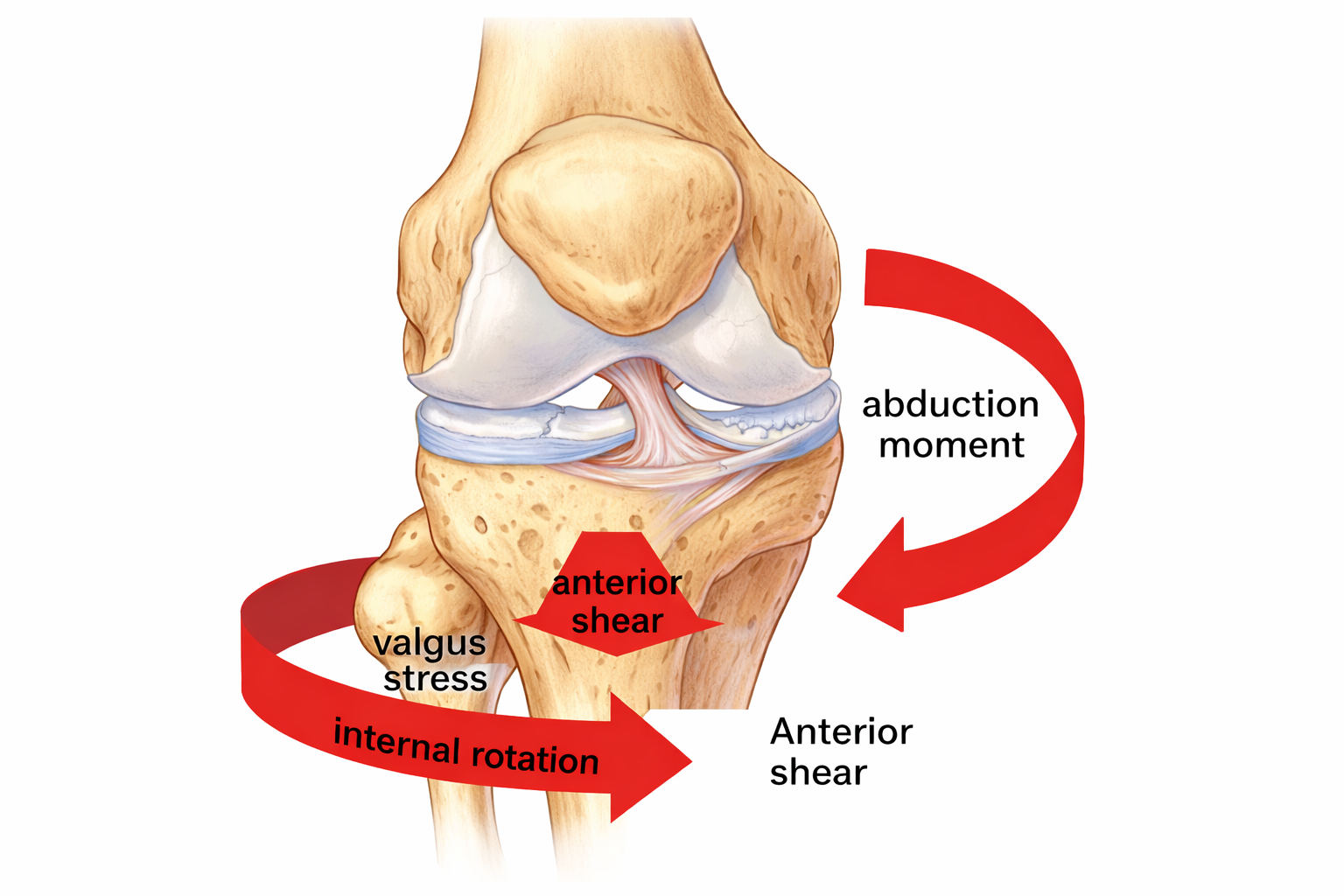
Most non-contact injuries occur during high-speed or high-load movements such as single-leg landings, rapid deceleration, or sharp changes of direction. These movement patterns are common across many sports and can occur both during high-intensity competition and through repeated lower-intensity exposures over time.
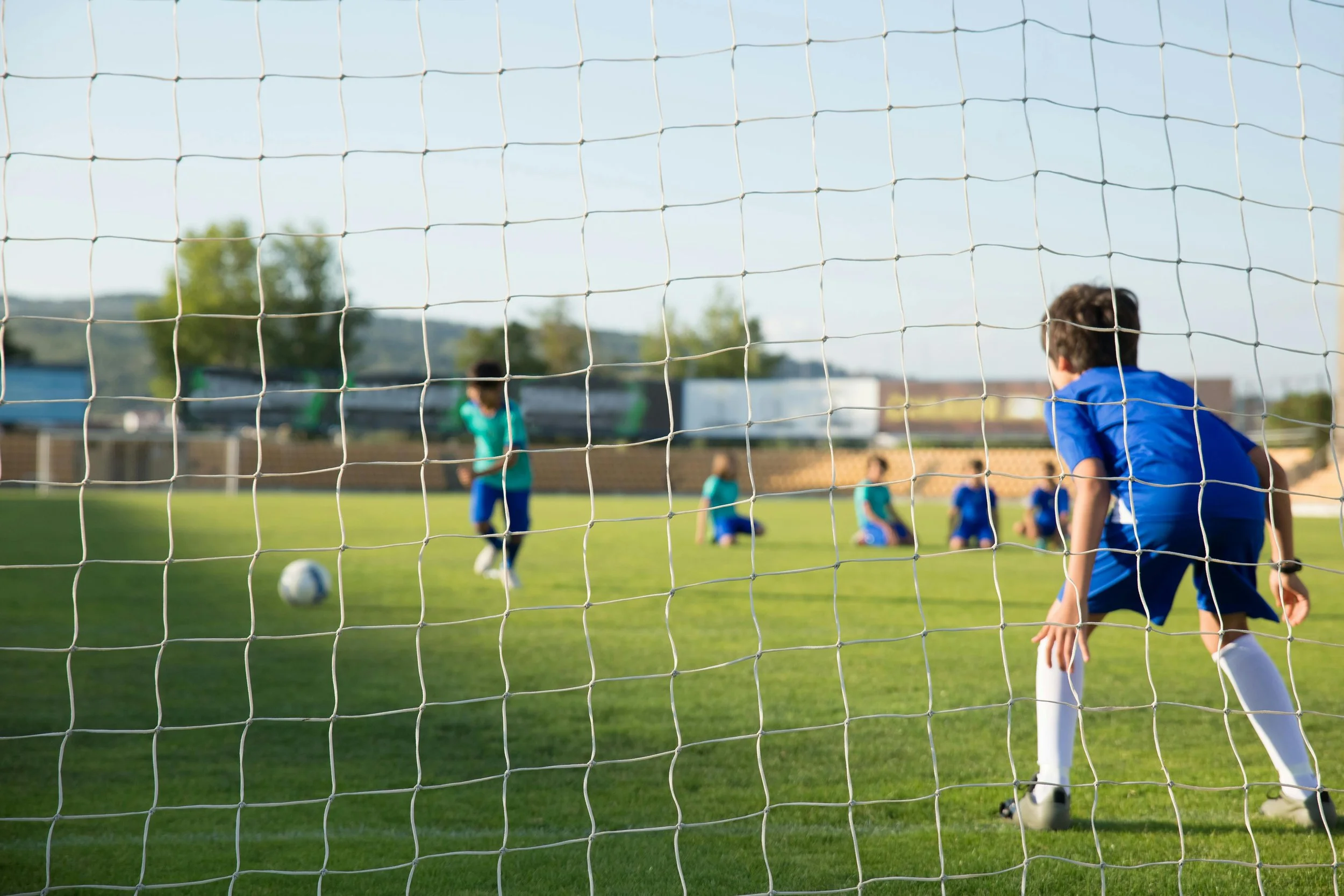
Sports such as basketball, soccer, netball, and rugby place consistent demands on these movement patterns, emphasizing the importance of preparing athletes not only for isolated high-risk moments, but also for cumulative loading over a season.


RISK FACTORS AND TRAINING IMPLICATIONS

ACL injury risk is influenced by a combination of anatomical, biomechanical, and training-related factors. While some risk factors cannot be changed, many can be meaningfully influenced through education and training.

Female Athlete Considerations

In female athletes, structural features of the tibia, such as posterior tibial slope, along with hormonal influences on ligament laxity, contribute to an increased risk of ACL injury (Kikuchi et al. 2022; Beaulieu et al. 2023).

While these factors cannot be modified, they highlight the importance of early education for young female athletes and their coaches. Building awareness around neuromuscular control, strength development, and movement quality is a critical component of risk reduction.

Playing Surface

Research examining the influence of playing surface has produced mixed findings. However, some studies report higher ACL injury rates in NFL athletes competing on artificial surfaces compared to natural grass (Hershman et al. 2012).

Although athletes cannot always control the surface they compete on, training exposure can be diversified. Incorporating training on a variety of surfaces may help improve adaptability and tolerance to different loading conditions prior to competition.

Fatigue and Repetitive Loading

Emerging evidence suggests that ACL rupture does not always result from a single traumatic event. Fatigue and repetitive sub-maximal loading may contribute to progressive ligament failure over time (Wojtys et al. 2016).

From a training perspective, building tissue capacity in key muscle groups such as the hamstrings, quadriceps, calves, and adductors may increase tolerance to repeated stress and reduce injury risk.

Whole-Body Strength and Neuromuscular Control

Although ACL injuries occur at the knee, load can be transmitted from both the top down and bottom up through the kinetic chain. Poor three-dimensional strength across the trunk, hip, knee, and ankle can increase stress on different portions of the ACL (Beaulieu et al. 2023).

Training that develops strength in multiple planes of motion, both in isolated exercises and integrated movement patterns, helps improve robustness and neuromuscular control.

For example, multi-directional jumping exercises can target trunk, hip, knee, and ankle coordination simultaneously:


WHAT IS CONSIDERED SUCCESSFUL ACL REHABILITATION AND HOW IS IT ACHIEVED

Over the past decade, the definition of successful return to sport (RTS) following ACL injury has evolved. A well-regarded Canadian kinesiologist, Carmen Bott, emphasizes that simply returning to sport is not the same as returning successfully.

Long-term data highlight the difficulty of maintaining sport participation following ACL injury. Pinheiro et al. (2022) reported that among elite athletes followed over five years, participation at the same competitive level declined from 75 percent in year one to just 20 percent by year five.

Outcomes are even less favorable in competitive amateur athletes. Approximately 65 percent return to pre-injury level, with overall return to competitive sport roughly 10 percent lower (Nwachukwu et al. 2019).

Following a well-structured, progressively loaded strength and conditioning program can enhance both physical capacity and confidence during rehabilitation. A simplified progression may include:

This progression represents only a snapshot of a rehabilitation process that commonly spans 9 to 12 months. Progression should be goal-oriented rather than time-driven, with athletes meeting clearly defined prerequisites before advancing.


TO CUT OR NOT (NOT MEDICAL ADVICE)

When an athlete is diagnosed with an ACL injury, the immediate assumption is often that surgery is required. Indeed, 98 percent of orthopaedic surgeons recommend ACL reconstruction for athletes aiming to return to sports involving running, cutting, and jumping (Weiler et al. 2015).

However, surgery is not always the appropriate choice. Non-operative management may be suitable depending on several factors (Komnos et al. 2024), including:

  • Individual expectations and current sport level

  • Presence of concomitant injuries such as meniscal or cartilage damage

  • Degree of knee laxity and perceived instability

Fitzgerald et al. (2000) classified individuals into three groups:

  1. Copers: return to pre-injury level of sport

  2. Adapters: return to a reduced level to avoid instability

  3. Non-copers: unable to return due to persistent instability

A notable example is a Premier League footballer who returned to play eight weeks after a complete ACL rupture without surgery (Weiler et al. 2015). While this represents a single case, it highlights the importance of individualized decision-making.

What Does This Mean for Non-Professional Athletes?

Athletes outside professional systems should:

  • Ask detailed questions about the structures involved in their injury (ACL only vs associated damage)

  • Communicate subjective symptoms such as instability, confidence, or locking

  • Clarify long-term goals, whether returning to competition or maintaining an active lifestyle

  • Consider an initial period of structured rehabilitation before committing to surgery, particularly when instability is not present

In the Premier League case study, the athlete consulted three surgeons, two of whom recommended surgery, while one supported a conservative rehabilitation-first approach. This underscores the value of informed discussion and shared decision-making.


SUMMARY AND KEY TAKEAWAYS

  • ACL injuries are complex and influenced by multiple interacting factors including age, sex, sport demands, training exposure, and movement quality.

    • Educating female athletes about menstrual cycle considerations and ligament laxity may be beneficial.

    • Monitoring training load during high knee-stress activities is important.

    • Developing tissue capacity through comprehensive strength training can enhance tolerance to stress.

  • Returning to previous levels of sport remains challenging, particularly for non-professional athletes.

    • Rehabilitation should be thorough and guided by experienced practitioners.

    • Successful return to play depends on strength, neuromuscular control, and power that match sport-specific demands.

  • Surgery is not the only option.

    • Decisions should be made collaboratively between the athlete, physiotherapist, and surgeon.

    • Clear communication around injury extent and long-term goals leads to better outcomes.


Looking for Individualized Support?

If you’re currently dealing with an ACL injury, returning from surgery, or unsure how to safely progress your training, working with an experienced coach can make a meaningful difference.

Michael works closely with athletes across all levels and has extensive experience supporting ACL rehabilitation and return-to-sport training in collaboration with physiotherapists and medical professionals.

If you’d like to explore whether coaching support is right for you, you can book an initial assessment here.


PART 2: WHAT TO EXPECT

The next article will focus specifically on female and youth athletes and will explore:

  • Graft selection considerations when surgery is required

  • The role of prehabilitation in improving long-term outcomes


References

Beaulieu, M. L., Lamontagne, M., Xu, L., & Li, G. (2023). Loading mechanisms of the anterior cruciate ligament. Sports Biomechanics, 22(1), 1–29. https://doi.org/10.1080/14763141.2021.1916578

Childers, J. D., Weiss, L. J., Pennington, Z. T., Nwachukwu, B. U., & Allen, A. A. (2025). Reported anterior cruciate ligament injury incidence in adolescent athletes is greatest in female soccer players and athletes participating in club sports: A systematic review and meta-analysis. Arthroscopy, 41(3), 774–784.e772. https://doi.org/10.1016/j.arthro.2024.03.050

Fitzgerald, G. K., Axe, M. J., & Snyder-Mackler, L. (2000). A decision-making scheme for returning patients to high-level activity with nonoperative treatment after anterior cruciate ligament rupture. Knee Surgery, Sports Traumatology, Arthroscopy, 8(2), 76–82. https://doi.org/10.1007/s001670050190

Hershman, E. B., Anderson, R., Bergfeld, J. A., Bradley, J. P., Shelbourne, K. D., Sills, A., & McGuire, K. J. (2012). An analysis of specific lower extremity injury rates on grass and FieldTurf playing surfaces in National Football League games: 2000–2009 seasons. The American Journal of Sports Medicine, 40(10), 2200–2205. https://doi.org/10.1177/0363546512458888

Kikuchi, N., Hara, R., Hiranuma, K., Nakazawa, R., & Fukubayashi, T. (2022). Relationship between posterior tibial slope and lower extremity biomechanics during a single-leg drop landing combined with a cognitive task in athletes after ACL reconstruction. Orthopaedic Journal of Sports Medicine, 10(7), 23259671221107931. https://doi.org/10.1177/23259671221107931

Komnos, G. A., Kotsifaki, A., Dingenen, B., & Gokeler, A. (2024). Anterior cruciate ligament tear: Individualized indications for non-operative management. Journal of Clinical Medicine, 13(20), Article 6233. https://doi.org/10.3390/jcm13206233

Nwachukwu, B. U., Chang, B., Voleti, P. B., Berkanish, P., Cohn, M. R., & Allen, A. A. (2019). How much do psychological factors affect lack of return to play after anterior cruciate ligament reconstruction? A systematic review. Orthopaedic Journal of Sports Medicine, 7(5), 2325967119845313. https://doi.org/10.1177/2325967119845313

Petushek, E. J., Sugimoto, D., Stoolmiller, M., Smith, G., & Myer, G. D. (2019). Evidence-based best-practice guidelines for preventing anterior cruciate ligament injuries in young female athletes: A systematic review and meta-analysis. The American Journal of Sports Medicine, 47(7), 1744–1753. https://doi.org/10.1177/0363546518782460

Pinheiro, V. H., Mascarenhas, R., Saltzman, B. M., & Nwachukwu, B. U. (2022). Rates and levels of elite sport participation at 5 years after revision ACL reconstruction. The American Journal of Sports Medicine, 50(14), 3762–3769. https://doi.org/10.1177/03635465221127297

Weiler, R., Monte-Colombo, M., Mitchell, A., & Haddad, F. (2015). Non-operative management of a complete anterior cruciate ligament injury in an English Premier League football player with return to play in less than 8 weeks: Applying common sense in the absence of evidence. BMJ Case Reports, 2015, bcr2014208012. https://doi.org/10.1136/bcr-2014-208012

Wojtys, E. M., Beaulieu, M. L., Ashton-Miller, J. A., & Newcomb, W. (2016). New perspectives on ACL injury: On the role of repetitive sub-maximal knee loading in causing ACL fatigue failure. Journal of Orthopaedic Research, 34(12), 2059–2068. https://doi.org/10.1002/jor.23441


Sculpting Life with Light: The Free Supplement That Improves Health and Performance

Written by Michael Crawley, BSc, BPT, CSCS

Following on from Evelyn’s previous blog post on vitamin D, I want to go deeper into the relationship between sunlight and performance, because light is more than just a source of vitamin D. It interacts with every system in the body, and when used intentionally, it can support energy, recovery, and resilience in powerful ways.

Morning and Evening Light: Nature’s Built-In Protection

Most people intuitively know that sunlight feels different early in the morning and late in the evening. That’s because these times have less UV and more infrared light, which makes them gentler on the skin.

  • Morning light prepares your skin for UV exposure later in the day

  • Evening light helps repair any UV-related damage by supporting skin recovery
    (Barolet et al. 2016)

This light exposure builds what researchers call a “solar callus”; which is your skin’s tolerance to sunlight. If you skip early and late sun throughout spring and summer, you won’t be adapted to the higher UV exposure of midsummer. Think of it like training volume: if you suddenly try to sprint a marathon without a base, your system isn’t ready.

Light and Nutrition: Feeding the Powerhouse

Nutrition matters for health, performance and recovery, but it’s your mitochondria—the energy factories in your cells—that actually convert nutrients into usable energy.

These mitochondria aren’t just passive processors. They evolved from ancient bacteria that merged with human cells, giving us a massive energy advantage in the evolutionary race (Martin & Mentel, 2010).

Here's the kicker of how it ties in with light:

  • Infrared light (especially in the morning and evening) supports mitochondrial function, enhancing energy production and reducing cellular stress (Arranz-Paraíso et al., 2023)

  • Always eating meals, indoors under artificial light or while watching a screen, may be hampering energy utilization

  • Obviously it is not always possible to eat outside or match the rhythm of the seasons and days. But, if you have the chance to eat breakfast outside or catch the sunrise with your morning coffee, take it. It is certainly a choice I would encourage.  

Circadian Rhythm, Injury and Rehab

Circadian rhythm might sound technical, but it's really just your body's internal timing system. Every organ in your body, including your muscles, liver, kidneys, and tendons, has its own internal clock. These clocks help control when key processes like energy production, waste removal, and tissue repair happen.

If everything happens at once, the system falls apart. Imagine working at an airport where every flight tries to take off and land at the same time. That’s what happens in the body when your circadian rhythm is off.

Your body’s master clock (called the suprachiasmatic nucleus) is located just behind your eyes. It keeps all the other cellular clocks running in sync, and it’s set primarily by light, both through your eyes and your skin.

Why It Matters for Injuries

If you're dealing with something like tendinopathy (whether Achilles, patellar, or otherwise), improving your circadian rhythm can help improve your rehab outcomes.

Recent research by Møbjerg et al. (2025) highlights how timing impacts tendon healing and adaptation. Scheduling rehab in the morning or aligning your recovery routine with your body’s natural rhythm can make a meaningful difference.

Cartilage health may also benefit. A 2023 review by Rogers and Meng suggests that long-term outcomes in osteoarthritis and cartilage degeneration could be improved by supporting your circadian health and light environment.

Over time, this is where the airport analogy can occur in the body. The master clock losing control over other body cell clocks.

When Modern Life Gets in the Way

This is where excessive technology at night can create problems. High colour temperature lighting and excessive blue light exposure in the evening can trick the master clock into thinking it is earlier in the day than it actually is.

This exposure mainly comes from phones, laptops, tablets, and modern LED lighting. Over time, this constant signal disruption interferes with the body’s natural timing, making it harder to regulate sleep, recovery, and tissue repair.

Over time, this misalignment disrupts your body's internal timing, which can throw off recovery, sleep, and performance. The result is internal chaos (like our crowded airport) where energy production, healing, and cellular turnover all fall out of sync.

If you're serious about performance or injury rehab, it’s not just about what you do in the gym. It’s also about when and how your body is able to recover. And light plays a bigger role than most people realize.

Easy IMplementation

  • Get outside early: Morning sunlight on your skin and eyes before technology or meals can anchor your circadian rhythm.

  • Bookend your day with light: Morning and evening light help your body adapt to stronger sun exposure and support repair.

  • Rehab with timing: Improving circadian rhythm can help rehabilitate and improve the health of tendons and cartilage.

  • Control your night environment: Use soft, warm lighting in the evening. Try candles, red-spectrum bulbs, or blue light filters (e.g., Iris for screens).

You can’t out-supplement a poor light environment. Sunlight is free, powerful, and foundational to human health; and learning to use it wisely can support everything from injury recovery to daily energy.


References

  • Barolet D, Christiaens F, Hamblin MR. Infrared and skin: Friend or foe (2016). J Photochem Photobiol B;155:78-85. doi: 10.1016/j.jphotobiol.2015.12.014.

  • Martin W, Mentel M. The Origin of Mitochondria. Nature Education 3(9):58 (2010).

  • Arranz-Paraíso D, et al. Mitochondria and light: An overview of the pathways triggered in skin and retina with incident infrared radiation. J Photochem Photobiol B: Biology (2023), 238, p. 112614. doi: 10.1016/j.jphotobiol.2022.112614.

  • Møbjerg A, et al. Role of the tendon circadian clock in tendinopathy and implications for therapeutics. Int J Exp Pathol. 106(3), 2025.

  • Rogers N, Meng QJ. Tick tock, the cartilage clock. Osteoarthritis and Cartilage 31(11), 1425-1436 (2023). doi: 10.1016/j.joca.2023.05.010.

Build the Athlete First: Why Youth Athletes Need Physical Literacy Before Sport Specialization

Written by Evelyn Calado, MKin, CSCS, RKin

Every parent wants the best for their child.

A chance to make the top team.
A scholarship.
A future in sport.

And because of that hope, many families fall into the same trap: more camps, more private sessions, more tournaments, more exposure. Summer schedules become nonstop. Kids bounce from training block to training block with no real break.

But more sport is not the same as better development.

Kids are not mini professionals. They are growing humans. And when young athletes are pushed into year-round specialization without a physical foundation, the outcomes are predictable: burnout, recurring injuries, stalled progress, and a quiet loss of joy for the game.

The goal of youth sport is not to peak at 12 or 13.
The goal is to build a base that allows athletes to keep improving at 16, 18, and beyond.

That is where long-term athlete development matters.

What long-term athlete development actually means

In Canada, Sport for Life’s Long-Term Development framework is very clear: athletes need to do the right things at the right time.

Early stages such as Active Start, FUNdamentals, and Learn to Train focus on physical literacy before puberty. Physical literacy includes fundamental movement skills like running, jumping, landing, throwing, catching, climbing, rotating, balancing, and reacting.

This physical foundation is what allows athletes to specialize later if they choose. It is not a delay. It is preparation.

When kids skip these stages and jump straight into high volumes of sport-specific training, they often get good at the sport temporarily, until their body becomes the limiting factor.

The real cost of early sport specialization

Early sport specialization is heavily marketed. Parents are told that year-round commitment and early focus are the path to success.

Research and real-world coaching experience tell a different story.

Early specialization and high training volume are associated with:

  • Higher rates of overuse injuries

  • Increased burnout and mental fatigue

  • Decreased long-term participation in sport

  • Recurrent pain that becomes “normal” far too early

If a child is always sore, always tight, or always tired, that is not a badge of dedication. That is a signal.

We are now seeing stress fractures, chronic tendon pain, and ACL injuries in middle school athletes. That should concern everyone involved in youth sport.

Kids should still be kids (and this matters for performance)

One of the most overlooked pieces of youth development is unstructured movement.

Kids need time to:

  • Run fast without a stopwatch

  • Jump and land naturally

  • Skip, hop, and change direction

  • Throw and catch objects of different shapes and weights

  • Wrestle, climb, crawl, and play games

  • Solve movement problems without constant instruction

This type of movement exposure builds coordination, adaptability, and resilience. It also builds better athletes later.

The best long-term performers are rarely the ones who only did one sport year-round from childhood. They are often the kids who played multiple sports, played outside, and developed broad athletic skills early.

Strength training is not the problem. It is part of the solution.

One of the most persistent myths in youth sport is that strength training is dangerous for kids.

When strength training is age appropriate, coached properly, and focused on movement quality, it is not only safe, it is one of the most effective tools we have.

For youth athletes, strength training helps:

  • Improve sprinting and jumping ability

  • Build tendon and joint resilience

  • Improve posture and body control

  • Reduce injury risk

  • Build confidence and competence in movement

Strength training does not mean maximal lifting or adult programs scaled down. It means learning how to move well under load, progressing gradually, and respecting growth and recovery.

The issue is not strength training.
The issue is poor coaching and poor programming.

Youth training guidelines

When parents ask what a balanced approach actually looks like, I lean on five clear guidelines from the Australian Institute of Sport. These guidelines help protect young athletes while still allowing them to develop.

1. Two days off structured sport per week

Young athletes should have two days off organized sport each week.
This does not mean inactivity. It means a break from formal practices, games, and competitions.

No more than three structured training days in a row is a good rule of thumb.

Days off are used for recovery, light movement, and general athletic development, not more sport volume.

2. Minimum 24 hours between intense sessions

Intense sessions include impact, contact, sprints, and jumps.

If today is a hard practice or game, tomorrow should not be another high-intensity day whenever possible. Tissues and the nervous system need time to recover.

3. Fatigue reduction matters

If a kid is constantly sore, tired, or emotionally flat, something needs to change.

Priorities include:

  • Adequate nutrition

  • Sleep, often 9 or more hours for youth

  • Monitoring total load, including practices, games, extra training, camps, and school stress

Fatigue is not always physical. Academic and emotional stress count too.

4. Strength training 2 to 3 times per week

Strength training should be a consistent part of youth development.

This builds the foundation for speed, power, tissue resilience, and confidence. The focus should always be on quality movement, not chasing numbers.

5. Adjust training during stressful life periods

During exams, growth spurts, poor sleep, emotional stress, or unusually busy weeks, training volume should be reduced.

Pulling back is not falling behind. It is smart coaching.

What a balanced training week can look like

This will vary based on age, maturity, sport, and season, but a general structure might look like:

  • Two days off structured sport

  • Two to three sport practices or games

  • Two strength training sessions

  • Intense days separated by at least 24 hours

  • Strength sessions adjusted in volume during heavy competition weeks

This approach supports development without constantly pushing kids into a recovery deficit.

What parents should look for in youth training

Youth physical development is largely unregulated, which makes it hard for parents to know what to look for.

At minimum, a coach working with youth should have:

  • Education in kinesiology, exercise science, or a related field

  • Training in growth, motor development, and youth exercise prescription

  • A clear philosophy aligned with long-term athlete development

  • Safe Sport or ethics training

  • Insurance and proper business practices

  • The ability to adjust training when a child is tired, sore, or growing rapidly

Being a former high-level athlete does not automatically make someone qualified to guide youth physical development.

Good intentions are not enough.

The long-term goal is bigger than sport

There will be a last game every athlete plays.

Sport is finite. Strength, movement skill, and confidence in the body are not.

When kids learn to move well, build strength, recover properly, and respect their body, they carry those habits into adulthood. Whether they pursue elite sport or not, they win.

The goal is not to create robots who grind year-round.
The goal is to build adaptable, resilient humans who can handle sport, stress, and life.

That starts by building the athlete first.

How We Support Youth Athletes

If you are a parent in Vancouver and want a smarter approach that supports your child’s sport without piling on more volume, Avos Strength works with youth athletes using a long-term development model that prioritizes health, performance, and longevity.

Book a youth athlete consult

References

Australian Institute of Sport. (n.d.). Youth and junior athlete development principles. Australian Sports Commission.
https://www.ais.gov.au

Balyi, I., Way, R., & Higgs, C. (2013). Long-term athlete development. Human Kinetics.

Faigenbaum, A. D., Kraemer, W. J., Blimkie, C. J. R., Jeffreys, I., Micheli, L. J., Nitka, M., & Rowland, T. W. (2009). Youth resistance training: Updated position statement from the National Strength and Conditioning Association. Journal of Strength and Conditioning Research, 23(Suppl 5), S60–S79.
https://doi.org/10.1519/JSC.0b013e31819df407

International Olympic Committee. (2015). Youth athletic development: IOC consensus statement. British Journal of Sports Medicine, 49(13), 843–851.
https://doi.org/10.1136/bjsports-2015-094962

Jayanthi, N. A., LaPrade, R. F., Meeuwisse, W. H., Oberlander, T. F., & Patel, D. R. (2015). Sports-specialized intensive training and the risk of injury in young athletes: A clinical case-control study. American Journal of Sports Medicine, 43(4), 794–801.
https://doi.org/10.1177/0363546514567292

LaPrade, R. F., Agel, J., Baker, J., Brenner, J. S., Cordasco, F. A., Côté, J., Engebretsen, L., Feeley, B. T., Gould, D., Hainline, B., Hewett, T. E., Jayanthi, N., Kocher, M. S., Myer, G. D., Nissen, C. W., Philippon, M. J., Provencher, M. T., & Sanchez, G. (2016). AOSSM early sport specialization consensus statement. Orthopaedic Journal of Sports Medicine, 4(4).
https://doi.org/10.1177/2325967116644241

Lubans, D. R., Morgan, P. J., Cliff, D. P., Barnett, L. M., & Okely, A. D. (2010). Fundamental movement skills in children and adolescents: Review of associated health benefits. Sports Medicine, 40(12), 1019–1035.
https://doi.org/10.2165/11536850-000000000-00000

O’Kane, J. W., Neradilek, M., Polissar, N., Sabado, L., Tencer, A., & Schiff, M. A. (2017). Risk factors for lower extremity overuse injuries in female youth soccer players. Orthopaedic Journal of Sports Medicine, 5(10).
https://doi.org/10.1177/2325967117733963

Sport for Life. (n.d.). Long-term development framework.
https://sportforlife.ca

Vitamin D in Vancouver: What You Need to Know About Deficiency, Sunlight, and Supplementation

Written by Evelyn Calado, MKin, CSCS, RKin

Living in Vancouver means dealing with long, dark winters and very little direct sunlight. Because vitamin D is made in the skin through UVB exposure, people living at northern latitudes are at a much higher risk of vitamin D deficiency. Even active people who train regularly or spend time outdoors often assume they are getting enough, but research shows that vitamin D levels are commonly low in Canada (and globally too). For athletes, lifters, and anyone trying to support their health, recovery, and immune system, understanding how vitamin D works can make a meaningful difference.

What Vitamin D Actually Does

Vitamin D is often associated with bone health; and yes, it helps the body absorb calcium. But that’s just one of its many jobs.

Vitamin D is technically a fat-soluble hormone, and it interacts with receptors throughout the body. It plays a key role in:

  • Immune function

  • Inflammation regulation

  • Muscle strength and recovery

  • Mood and cognitive health

  • Bone remodeling and density

Vitamin D receptors are found in immune cells, muscle cells, and even in the brain. So when you’re low, it doesn’t just affect your bones; it can impact recovery, training capacity, and even your ability to fight off colds or feel mentally sharp.

Most People Are Deficient and Don’t Know It

Multiple studies have shown that a large percentage of the population is vitamin D deficient, especially in northern latitudes.

If you live in Vancouver or anywhere else north of the 49th parallel, the odds are stacked against you. From October to April, we don’t get enough UVB rays from the sun for the body to produce vitamin D naturally. Even in summer, many people are indoors most of the day. And here’s something most people don’t realize: Wearing sunscreen blocks UVB rays, which are required for vitamin D synthesis.

To be clear, I am not telling anyone to skip sunscreen entirely or to intentionally burn themselves. Be smart. But understand that even if you go outside, if you’re wearing sunscreen, your body may still not be making enough vitamin D.

Vitamin D Recommendations for Athletes and Active Adults

In Canada, the current Recommended Dietary Allowance for vitamin D is:

  • 600 IU per day for individuals aged 9 to 70

  • 800 IU per day for adults over 70

These recommendations, established by Health Canada and the Institute of Medicine (Ross et al., 2010), are designed to prevent deficiency and maintain bone health. They aim to keep serum 25(OH)D above 50 nmol per L, which is considered the minimum threshold for sufficiency in the general population.

However, this RDA was created exclusively around bone-related outcomes, not broader health, immune, or performance considerations. Because of this, many vitamin D researchers argue that these intake levels are too low for individuals seeking optimal health or performance, including athletes (Heaney and Holick, 2011; Holick et al., 2011; Cannell et al., 2009).

Higher Intake Recommendations for Those With Limited Sun Exposure

The Endocrine Society provides a more practical guideline for people who do not obtain regular sun exposure, recommending:

  • 1,500 to 2,000 IU per day of vitamin D3 (Holick et al., 2011)

This aligns closely with what I was taught in my graduate sport nutrition coursework.
Around 2,000 IU per day from autumn through spring can help maintain sufficient levels.

In some cases, individuals may still require additional supplementation in summer depending on lifestyle, skin pigmentation, indoor training, and geographic location.

Vitamin D Toxicity: Extremely Rare

Vitamin D toxicity is very uncommon and typically results from accidental consumption of extremely high supplemental doses due to manufacturing errors (Cannell et al., 2008; Holick, 2007).

Key safety points:

  • Ten thousand IU per day for up to five months has not been shown to cause toxicity in research (Holick, 2007)

  • Sunlight cannot cause vitamin D toxicity because the body naturally limits how much vitamin D it produces

My Experience with High-Dose Supplementation

For the past four years, I have personally taken ten thousand IU per day of vitamin D3. I recently paid for a private vitamin D blood test through LifeLabs. Despite consistently taking what is considered a high dose, my bloodwork showed I was only in the middle of the normal reference range.

This is not a prescription or suggestion that others should follow my exact protocol. It is simply to illustrate that if someone supplementing aggressively is barely hitting mid-range values, many others may be even lower than they realize.

When and How to Take Vitamin D

  • Take vitamin D with a meal that contains fat to enhance absorption

  • Always pair it with vitamin K2, to ensure proper calcium utilization and reduce any risk of calcification in the arteries

  • Ideally take it earlier in the day as vitamin D may influence circadian rhythms and melatonin production

Who Should Supplement

If you live in Canada, especially Vancouver or anywhere with long winters, the odds are high that your vitamin D levels are not optimal. Athletes, in particular, benefit from maintaining sufficient levels for:

  • Bone health and density

  • Immune support during periods of high training stress

  • Recovery and muscle repair

  • Mood and mental focus

Even if you are not experiencing symptoms, a blood test is the only way to know for sure. Ask your doctor or healthcare provider for a requisition. In BC, you can also request private testing through LifeLabs.

If you want support building a training plan the improves recovery, strength, and overall health, you can learn more about our services.

Key Takeaways

  • Vitamin D is essential for health, performance, and recovery

  • Most Canadians are low due to latitude, climate, and indoor living

  • Sunscreen blocks UVB rays needed to produce vitamin D

  • Six hundred to eight hundred IU per day may not be enough, especially for athletes

  • Vitamin D3 should be taken with fat and paired with K2

  • Blood testing is the only way to confirm your status

  • Always consult with a healthcare professional before making changes to your supplement routine

Bottom Line: Everyone Should At Least Consider It

In my opinion, almost everyone in Vancouver should be supplementing with vitamin D, especially through the fall and winter. It supports immunity, recovery, mood, and bone health. Unless you’re getting regular blood work, you probably don’t know if you are low.

For athletes and lifters, it is a low-cost, high-reward investment in your long-term health and performance.

Disclaimer

This post is intended for educational purposes only. I am a strength and conditioning coach, not a medical professional. Please consult your doctor or a registered healthcare provider before beginning any supplement protocol.

References

Cannell, J. J., Hollis, B. W., Sorenson, M. B., Taft, T. N., and Anderson, J. J. (2009).
Athletic performance and vitamin D.
Medicine and Science in Sports and Exercise, 41, 1102 to 1110.

Cannell, J. J., Hollis, B. W., Zasloff, M., and Heaney, R. P. (2008).
Diagnosis and treatment of vitamin D deficiency.
Expert Opinion on Pharmacotherapy, 9, 107 to 118.

Heaney, R. P., and Holick, M. F. (2011).
Why the IOM recommendations for vitamin D are deficient.
Journal of Bone and Mineral Research, 26, 455 to 457.

Holick, M. F. (2007).
Vitamin D deficiency.
New England Journal of Medicine, 357, 266 to 281.

Holick, M. F., Binkley, N. C., Bischoff-Ferrari, H. A., Gordon, C. M., Hanley, D. A., Heaney, R. P., Murad, M. H., and Weaver, C. M. (2011).
Evaluation, treatment, and prevention of vitamin D deficiency.
Journal of Clinical Endocrinology and Metabolism.

Ross, A. C., Taylor, C. L., Yaktine, A. L., and Del Valle, H. B. (2010).
Dietary Reference Intakes for Calcium and Vitamin D.
National Academies Press.

Why Women Should Think Twice About Cold Plunges

Written by Evelyn Calado, MKin, CSCS, RKin

Cold plunges are everywhere right now. Scroll through social media, walk into any boutique gym, or listen to the latest biohacking podcast, and you're bound to hear someone praising the "recovery magic" of ice baths. But there's a problem: this recovery trend is not built for female physiology. And no one seems to be talking about it.

As a woman, especially one training hard and aiming to get stronger, faster, or more resilient, you need to know this: cold plunges can actually hinder your progress.

The Hype vs. The Science

The fitness industry often pushes one-size-fits-all solutions that are, in reality, designed around male physiology. Cold water immersion is no exception. The main argument for it is that it reduces inflammation and muscle soreness. But what’s rarely discussed is that blunting inflammation also blunts adaptation—the very thing you're working hard for in your training.

A key study published in The Journal of Physiology (2015) found that post-exercise cold water immersion significantly reduced long-term gains in muscle mass and strength by suppressing key anabolic signaling pathways. In simpler terms, jumping into a cold plunge after lifting can shut down the processes your body needs to get stronger.

The Female Factor: Why It’s Worse for Women

Dr. Stacy T. Sims, PhD, exercise physiologist and author of ROAR, explains that women already have a more robust anti-inflammatory response, largely due to estrogen. This is great for recovery in general—but it also means that adding more inflammation-suppressing strategies (like cold plunges) can tip the balance too far.

Here’s what that means:

  • Estrogen helps buffer inflammation, so you don’t need the added suppression from cold water.

  • Cold plunges inhibit mTOR signaling, a critical pathway for muscle protein synthesis. Since women already face challenges building and maintaining lean muscle due to fluctuating hormone levels—particularly during the high-progesterone phase of the menstrual cycle—this further suppresses adaptation.

  • Women have a shorter post-exercise anabolic window. That means the timing and environment for recovery matter more. Cold exposure immediately post-training can close this window prematurely.

Heat, Not Cold, Supports Female Recovery

Dr. Sims recommends heat-based recovery tools for women, such as sauna use or hot baths. Heat increases blood flow, supports mitochondrial adaptations, and promotes muscle repair without blunting the natural signals for strength and hypertrophy.

Where cold shuts down your body’s growth processes, heat helps amplify them—especially beneficial for women looking to increase muscle mass, endurance, and overall athletic performance.

Let’s Talk About the Real Issue

This isn’t just a science debate. It’s a visibility problem. Right now, women are being told to do what’s trending without being informed of how it might hurt them. The fitness industry is ignoring female physiology. And it’s not okay.

If you're a woman who trains, lifts, runs, or just wants to be strong and healthy, you deserve better than a one-size-fits-all recovery strategy. You deserve recovery tools that actually work with your body, not against it.

So the next time someone tells you to jump into a cold plunge for recovery, remember that your physiology is different. And according to Dr. Stacy Sims and peer-reviewed research, cold plunges may be doing more harm than good for women.

Let’s change the conversation.

The Only Two Supplements Most Athletes Actually Need

Written by Evelyn Calado, MKin, CSCS, RKin


Walk into any supplement store and it’s overwhelming. Rows of pre-workouts, amino acids, test boosters, fat burners, and other shiny tubs promising to change your game overnight. But the truth is, most of it is noise.

At Avos Strength, we keep it simple. If you’re training hard and want to support performance, recovery, and overall health, there are only two supplements that actually matter.

And they aren’t flashy.

1. Protein Powder: The Most Underrated Tool in the Game

You don’t need protein powder to build muscle, but it can make it a lot easier to get enough protein — especially if you're busy, training often, or just not eating enough.

Protein is the building block of muscle. Without it, recovery slows down and progress stalls.

The general recommendation for active individuals and athletes is 1.6 to 2.0 grams per kilogram of body weight per day. If you're trying to put on muscle or training at a high volume, aim for the higher end of that range.

This means a 70-kilogram athlete should be getting 112 to 140 grams of protein daily. That’s a lot of chicken breast and Greek yogurt — and that’s where a high-quality protein powder can help.

Look for a product that:

  • Lists all essential amino acids (a complete protein)

  • Contains at least 20 to 25 grams of protein per serving

  • Comes from a reputable source like whey isolate, casein, or a solid plant-based blend with a full amino acid profile

If you are a competitive athlete, make sure your product is third-party tested and carries a Safe for Sport stamp such as NSF Certified for Sport or Informed Sport. This ensures there are no banned substances and that what's on the label is actually in the product.

Using protein powder post-training or to fill in gaps throughout the day is one of the easiest and most cost-effective ways to hit your daily targets.

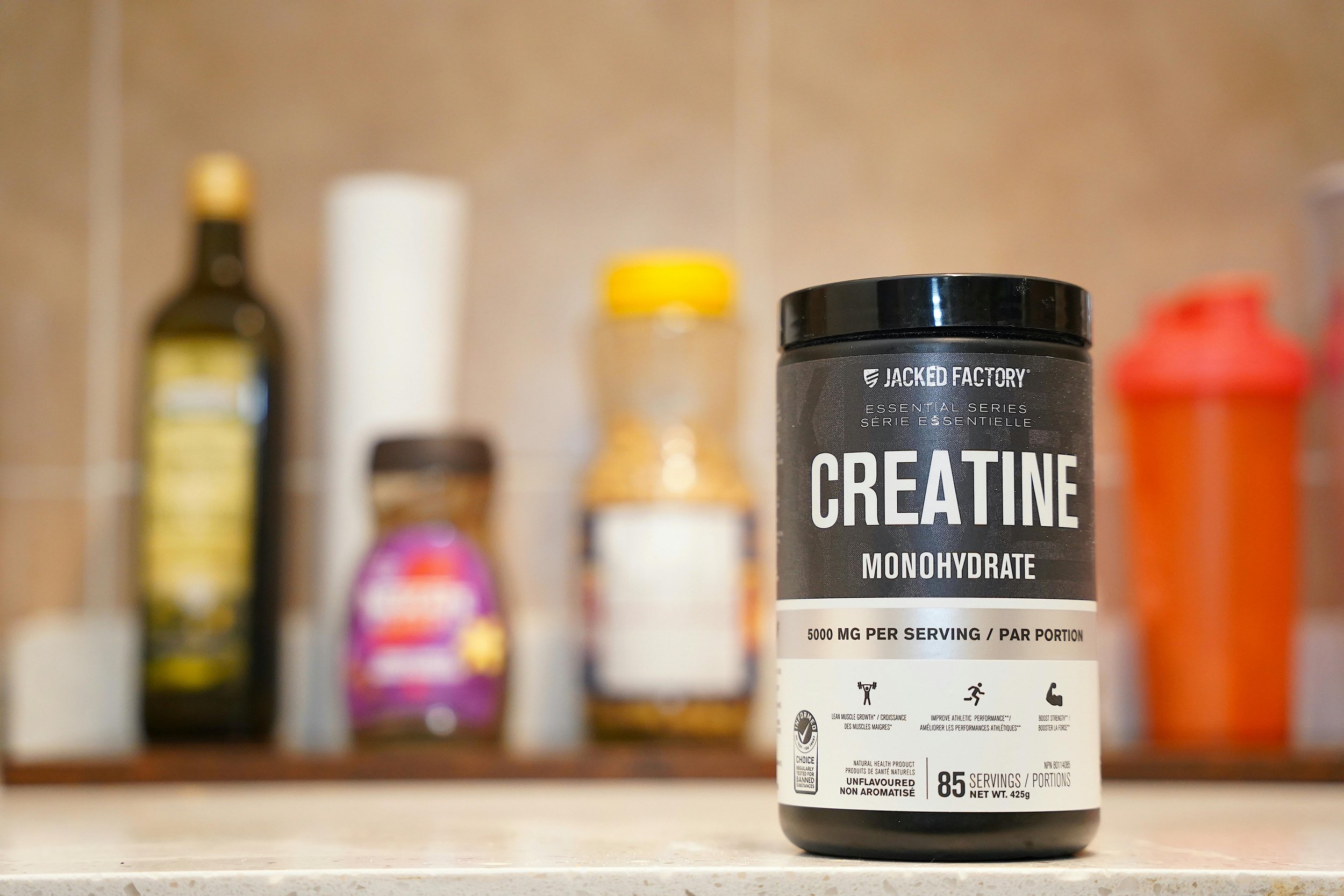
2. Creatine: The Most Researched Supplement in the World

Creatine is a naturally occurring compound made from three amino acids: arginine, glycine, and methionine. It’s stored in your muscles and used to quickly regenerate ATP, the energy source your body relies on for short, powerful efforts like lifting, sprinting, and jumping.

If there’s one supplement that lives up to the hype, it’s creatine. It's been studied for over 30 years and is backed by more peer-reviewed research than any other supplement on the market.

Creatine helps you:

  • Perform more reps at a given load

  • Recover faster between explosive efforts

  • Improve high-intensity performance over time

What’s even more exciting is the emerging research around brain health. Studies now suggest creatine may improve cognitive function, especially under sleep deprivation or mental fatigue, and may play a protective role in aging populations.

How to Take It

  • For muscle saturation: Take 5 grams of creatine monohydrate per day. No need to load or cycle it.

  • For brain health benefits: Newer research suggests 10 to 20 grams per day may be more effective, though higher doses should be discussed with a healthcare provider or sport nutritionist.

As with protein powder, if you're a competitive athlete, use a creatine product that is NSF Certified for Sport or Informed Sport. This ensures the supplement is free from banned substances and batch tested for safety.

Creatine is:

  • Safe

  • Inexpensive

  • Naturally occurring (your body makes it, and you also get it from meat and fish)

  • Non-hormonal

  • Effective for both men and women

Just take it consistently. It doesn’t need to be timed perfectly with your workout, and you don’t need a fancy pre-workout mix to get the benefits.

Don’t Get Caught in the Supplement Hype

BCAAs, pre-workouts, collagen, fat burners — they all have their place in the marketing stream, but they are not essential.

If you’re on a budget or just want to stick with what works, protein and creatine will give you the most return on your investment. Everything else is secondary.

And most importantly, no supplement replaces hard training, smart programming, and real food.

Build your foundation first. Let supplements support that — not define it.