
Written by Michael Crawley, BSc, BPT, CSCS
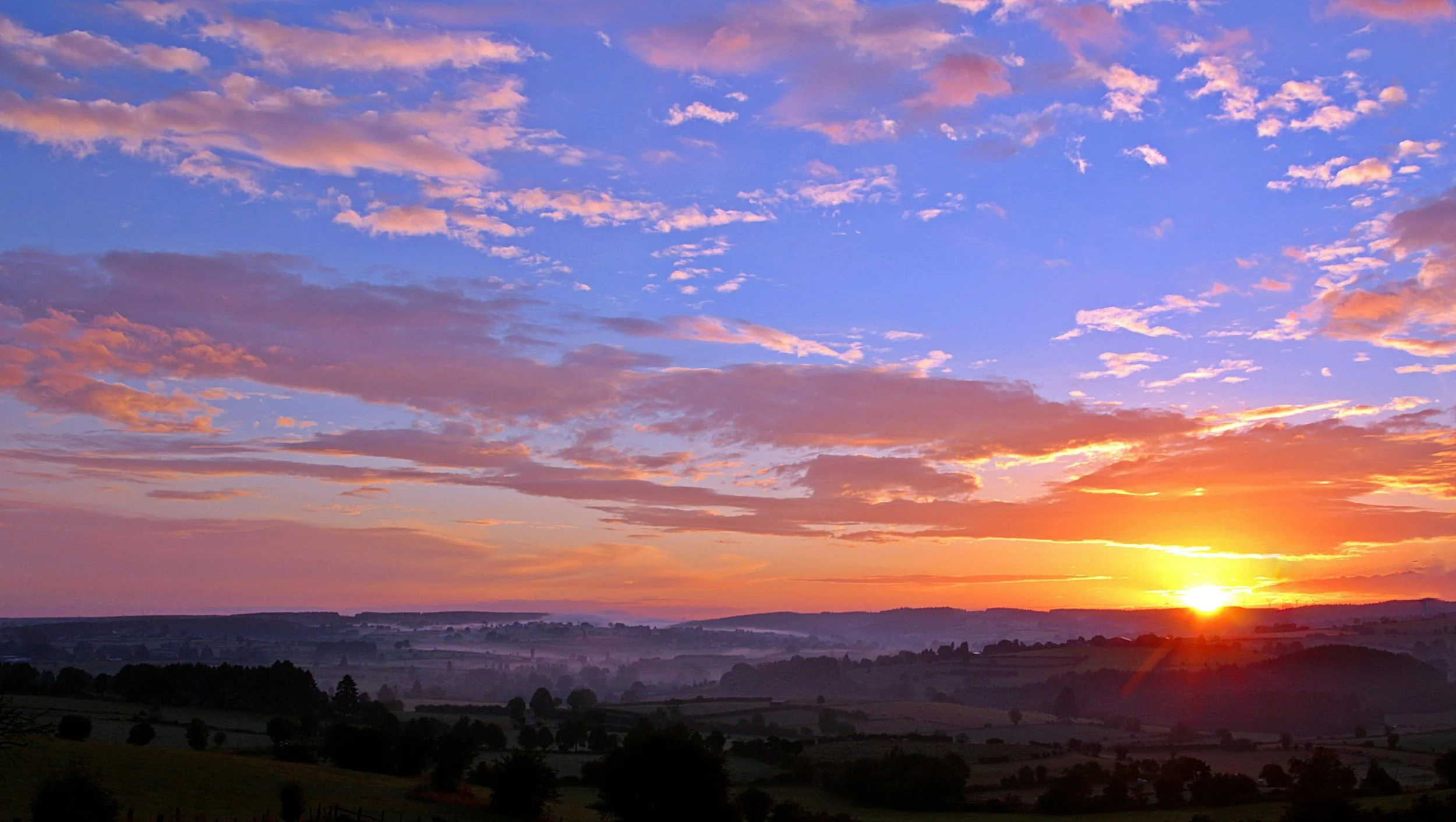
Following on from Evelyn’s previous blog post on vitamin D, I want to go deeper into the relationship between sunlight and performance, because light is more than just a source of vitamin D. It interacts with every system in the body, and when used intentionally, it can support energy, recovery, and resilience in powerful ways.
Morning and Evening Light: Nature’s Built-In Protection
Most people intuitively know that sunlight feels different early in the morning and late in the evening. That’s because these times have less UV and more infrared light, which makes them gentler on the skin.
Morning light prepares your skin for UV exposure later in the day
Evening light helps repair any UV-related damage by supporting skin recovery
(Barolet et al. 2016)
This light exposure builds what researchers call a “solar callus”; which is your skin’s tolerance to sunlight. If you skip early and late sun throughout spring and summer, you won’t be adapted to the higher UV exposure of midsummer. Think of it like training volume: if you suddenly try to sprint a marathon without a base, your system isn’t ready.
Light and Nutrition: Feeding the Powerhouse
Nutrition matters for health, performance and recovery, but it’s your mitochondria—the energy factories in your cells—that actually convert nutrients into usable energy.
These mitochondria aren’t just passive processors. They evolved from ancient bacteria that merged with human cells, giving us a massive energy advantage in the evolutionary race (Martin & Mentel, 2010).
Here's the kicker of how it ties in with light:
Infrared light (especially in the morning and evening) supports mitochondrial function, enhancing energy production and reducing cellular stress (Arranz-Paraíso et al., 2023)
Always eating meals, indoors under artificial light or while watching a screen, may be hampering energy utilization
Obviously it is not always possible to eat outside or match the rhythm of the seasons and days. But, if you have the chance to eat breakfast outside or catch the sunrise with your morning coffee, take it. It is certainly a choice I would encourage.
Circadian Rhythm, Injury and Rehab
Circadian rhythm might sound technical, but it's really just your body's internal timing system. Every organ in your body, including your muscles, liver, kidneys, and tendons, has its own internal clock. These clocks help control when key processes like energy production, waste removal, and tissue repair happen.
If everything happens at once, the system falls apart. Imagine working at an airport where every flight tries to take off and land at the same time. That’s what happens in the body when your circadian rhythm is off.
Your body’s master clock (called the suprachiasmatic nucleus) is located just behind your eyes. It keeps all the other cellular clocks running in sync, and it’s set primarily by light, both through your eyes and your skin.
Why It Matters for Injuries
If you're dealing with something like tendinopathy (whether Achilles, patellar, or otherwise), improving your circadian rhythm can help improve your rehab outcomes.
Recent research by Møbjerg et al. (2025) highlights how timing impacts tendon healing and adaptation. Scheduling rehab in the morning or aligning your recovery routine with your body’s natural rhythm can make a meaningful difference.
Cartilage health may also benefit. A 2023 review by Rogers and Meng suggests that long-term outcomes in osteoarthritis and cartilage degeneration could be improved by supporting your circadian health and light environment.
Over time, this is where the airport analogy can occur in the body. The master clock losing control over other body cell clocks.
When Modern Life Gets in the Way
This is where excessive technology at night can create problems. High colour temperature lighting and excessive blue light exposure in the evening can trick the master clock into thinking it is earlier in the day than it actually is.
This exposure mainly comes from phones, laptops, tablets, and modern LED lighting. Over time, this constant signal disruption interferes with the body’s natural timing, making it harder to regulate sleep, recovery, and tissue repair.
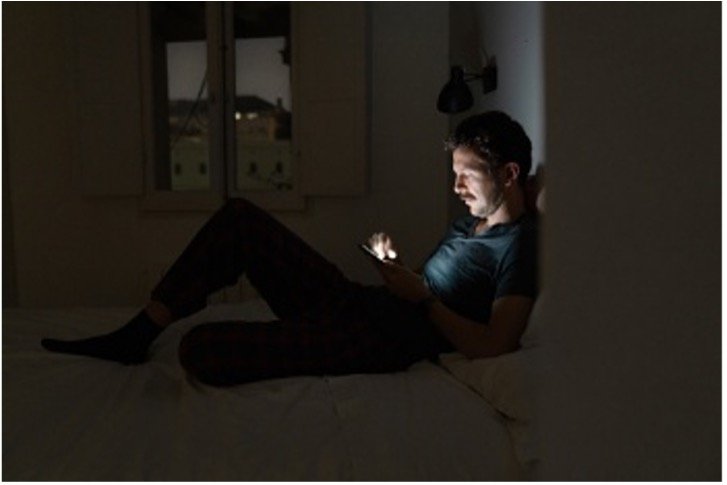
Over time, this misalignment disrupts your body's internal timing, which can throw off recovery, sleep, and performance. The result is internal chaos (like our crowded airport) where energy production, healing, and cellular turnover all fall out of sync.
If you're serious about performance or injury rehab, it’s not just about what you do in the gym. It’s also about when and how your body is able to recover. And light plays a bigger role than most people realize.
Easy IMplementation
Get outside early: Morning sunlight on your skin and eyes before technology or meals can anchor your circadian rhythm.
Bookend your day with light: Morning and evening light help your body adapt to stronger sun exposure and support repair.
Rehab with timing: Improving circadian rhythm can help rehabilitate and improve the health of tendons and cartilage.
Control your night environment: Use soft, warm lighting in the evening. Try candles, red-spectrum bulbs, or blue light filters (e.g., Iris for screens).
You can’t out-supplement a poor light environment. Sunlight is free, powerful, and foundational to human health; and learning to use it wisely can support everything from injury recovery to daily energy.
References
Barolet D, Christiaens F, Hamblin MR. Infrared and skin: Friend or foe (2016). J Photochem Photobiol B;155:78-85. doi: 10.1016/j.jphotobiol.2015.12.014.
Martin W, Mentel M. The Origin of Mitochondria. Nature Education 3(9):58 (2010).
Arranz-Paraíso D, et al. Mitochondria and light: An overview of the pathways triggered in skin and retina with incident infrared radiation. J Photochem Photobiol B: Biology (2023), 238, p. 112614. doi: 10.1016/j.jphotobiol.2022.112614.
Møbjerg A, et al. Role of the tendon circadian clock in tendinopathy and implications for therapeutics. Int J Exp Pathol. 106(3), 2025.
Rogers N, Meng QJ. Tick tock, the cartilage clock. Osteoarthritis and Cartilage 31(11), 1425-1436 (2023). doi: 10.1016/j.joca.2023.05.010.