Before diving into the 8-week Zone 2 cardio program, let's briefly explore the different types of ventricular hypertrophy that can occur with strength training and cardiovascular training.
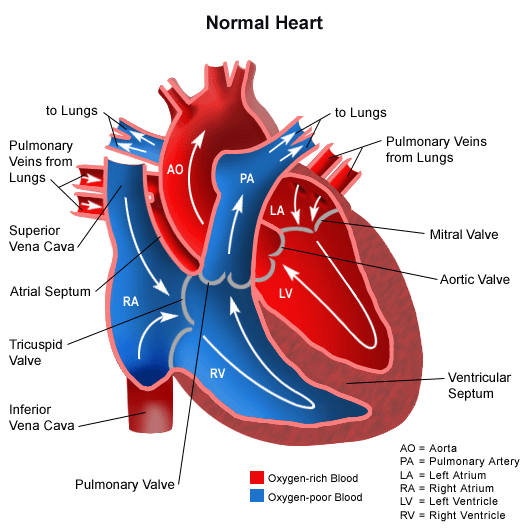
Ventricular hypertrophy is the enlargement and thickening of the heart muscle, specifically the left ventricle, in response to increased workload or stress. It is a natural adaptation of the heart to meet the demands placed upon it during different forms of exercise. However, the specific type of hypertrophy can vary based on the type of training.
Strength Training Hypertrophy
Strength training places a high pressure load on the heart, and for decades it was believed to cause concentric hypertrophy, a thickening of the left ventricular wall without a larger chamber. More recent research suggests this is an oversimplification. Direct evidence of this pattern in strength-trained athletes is limited, and the changes seen in the heart appear to vary with training volume, intensity, and the individual (Haykowsky et al., 2018).
Cardiovascular Training Hypertrophy
On the other hand, cardiovascular training, particularly endurance exercises like running, swimming, or cycling, typically leads to eccentric hypertrophy of the left ventricle. Eccentric hypertrophy involves an increase in the chamber size of the left ventricle while maintaining relatively normal wall thickness. This adaptation allows the heart to fill with a larger volume of blood during each contraction, leading to increased stroke volume and improved cardiovascular efficiency. Eccentric hypertrophy is commonly associated with aerobic endurance training and is considered a favourable adaptation for cardiovascular health.
It’s important to note that the heart’s response to training varies from person to person, and these changes are normal and beneficial adaptations. However, it’s crucial to engage in a well-rounded training program that incorporates both strength training and cardiovascular training to ensure overall cardiovascular health and fitness.
8-week Zone 2 Cardio Program
Zone 2 cardio training is focused on improving aerobic endurance and increasing the efficiency of your cardiovascular system. It involves training at a moderate intensity level where you can maintain a conversation without feeling too breathless.
Below is a basic progression for an 8-week, 2-day-per-week, Zone 2 cardio program:
Weeks 1-2:
Day 1: 30 minutes of continuous aerobic exercise at Zone 2 intensity (e.g., brisk walking or incline treadmill walking, jogging, cycling, swimming).
Day 2: 30 minutes of cross-training (e.g., elliptical, rowing, stair climber) at Zone 2 intensity.
Weeks 3-4:
Day 1: 35 minutes of continuous aerobic exercise at Zone 2 intensity.
Day 2: 35 minutes of cross-training at Zone 2 intensity.
Weeks 5-6:
Day 1: 40 minutes of continuous aerobic exercise at Zone 2 intensity.
Day 2: 40 minutes of cross-training at Zone 2 intensity.
Weeks 7-8:
Day 1: 45 minutes of continuous aerobic exercise at Zone 2 intensity.
Day 2: 45 minutes of cross-training at Zone 2 intensity.
Additional Guidelines:
Warm up for 5-10 minutes with light aerobic activity before each session.
Include a cool-down period of 5-10 minutes of light activity at the end of each session.
Focus on maintaining a consistent pace and effort level throughout each session.
Monitor your heart rate during exercise to ensure you’re in the appropriate Zone 2 range (around 60-70% of your maximum heart rate).
Listen to your body and adjust the intensity or duration if necessary, but try to challenge yourself progressively over the 8-week period.
*Remember to consult with your healthcare provider before starting any new exercise program, especially if you have any underlying health conditions or concerns.
If you want a Zone 2 plan built around your heart rate, schedule, and goals, book an assessment with our Vancouver coaches.
References
Haykowsky, M. J., Samuel, T. J., Nelson, M. D., & La Gerche, A. (2018). Athlete’s heart: Is the Morganroth hypothesis obsolete? Heart, Lung and Circulation, 27(9), 1037-1041.